Buying Your First Crested Gecko: Morphs, Pricing & What to Watch For
Part of the Crested Gecko Genetics Series. Last updated March 2026.
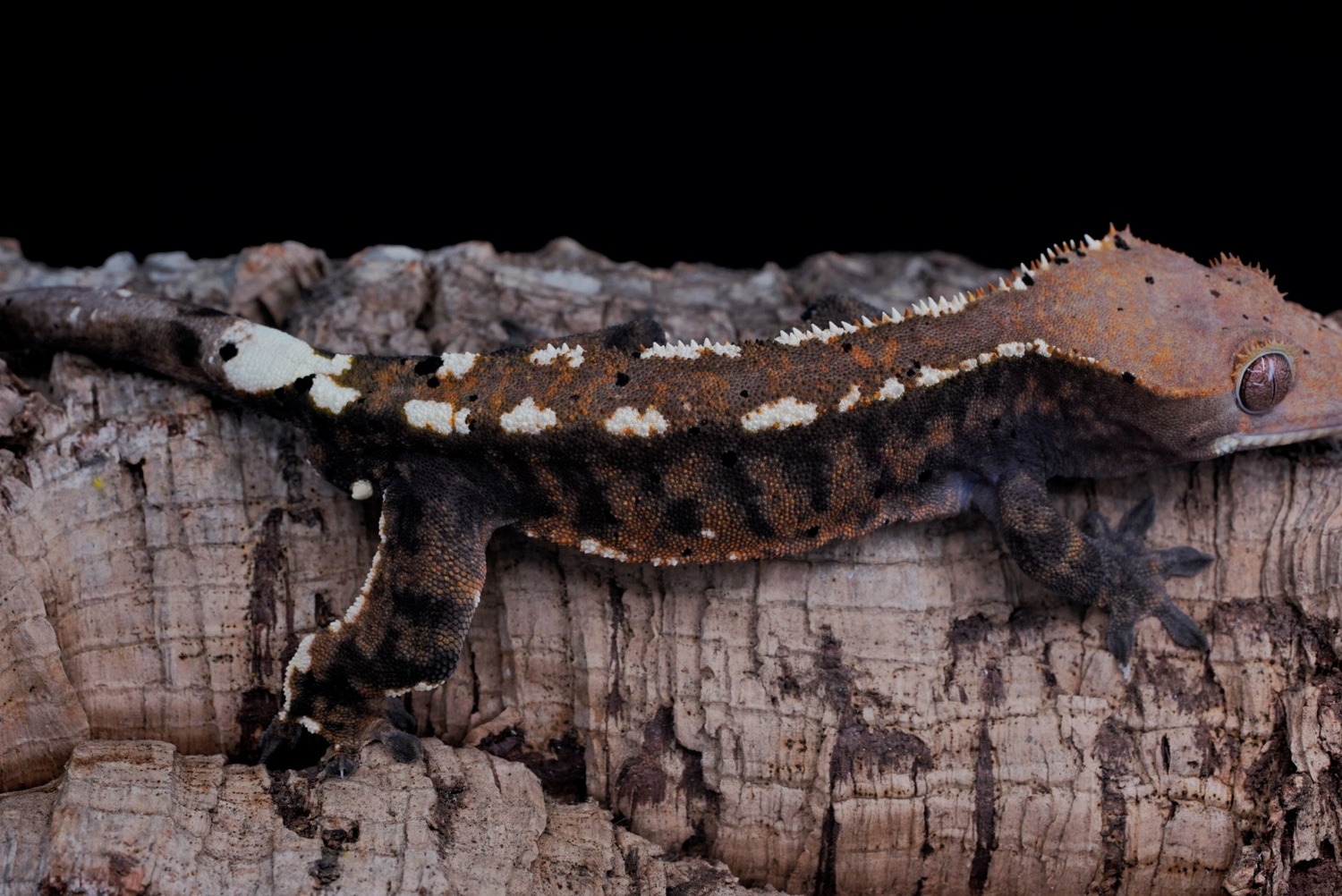
This is the practical guide. You've learned about traits and genetics. Now you need to know what to actually look for when buying, how pricing works, what red flags to watch for, and answers to the questions every new keeper asks. Whether you're buying your first pet gecko or sourcing your first breeding animal, this post covers the stuff that matters before you hand over money.
For trait identification, see the Morph Identifier. For genetics fundamentals, start with Genetics Basics Explained.
Understanding Popular Combo Morphs
Before you buy, you need to know that many popular "morph" names describe combinations of traits, not standalone genes. This affects pricing, breeding predictions, and whether a breeder actually knows their animals' genetics. Here's a quick reference for the combos you'll see most often:
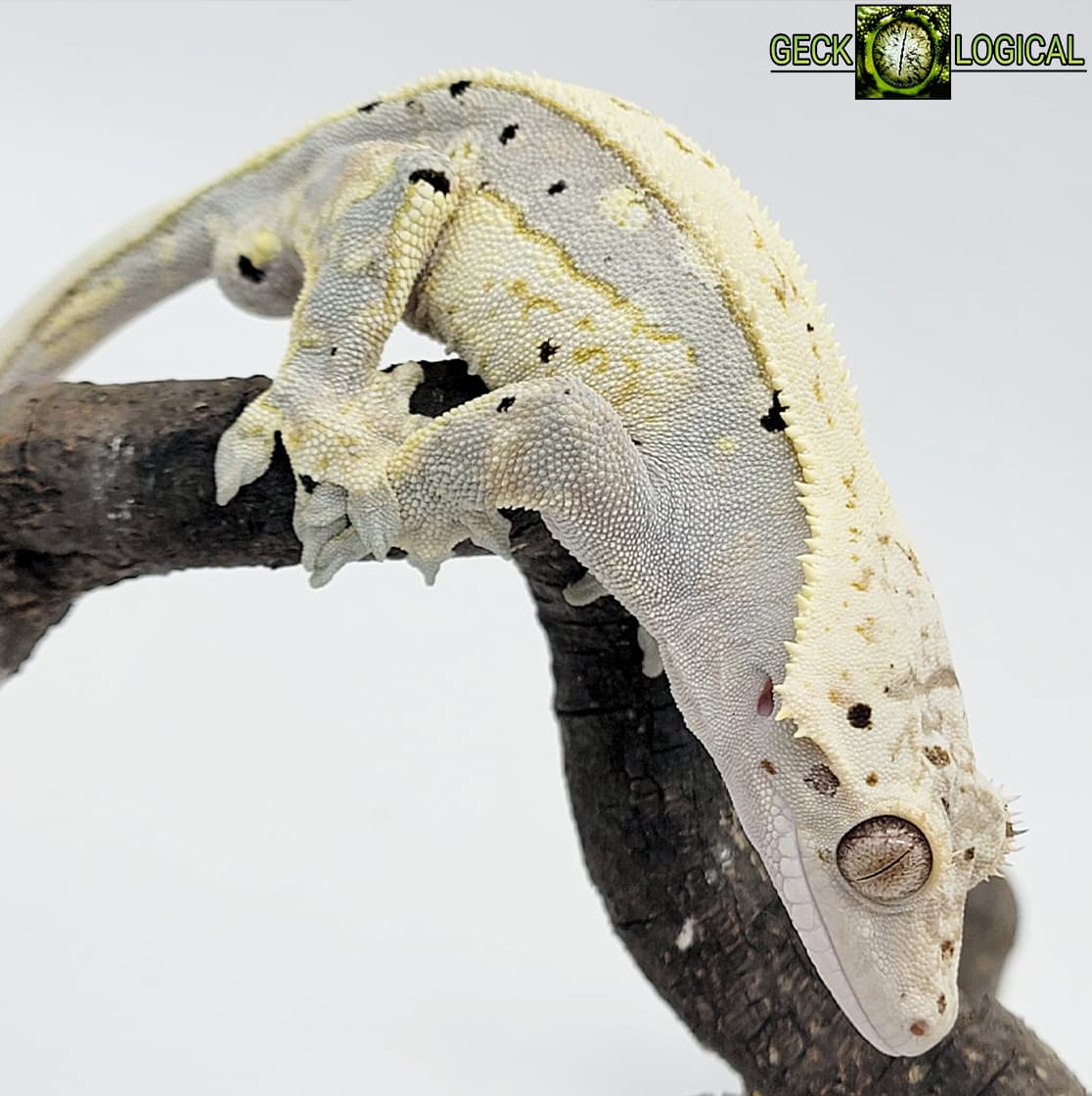
Lavender (Black Base + Hypo)
What It Is
Lavender is NOT a trait. It's the epistatic interaction of Black Base + Hypomelanistic traits.
Formula: B/H (Black Base + Hypo)
Visual Characteristics
- Color range: Pale grey to purple to sky blue (rarest)
- Color variation depends on:
- Which hypo form (Standard, Cold Fusion, or third form)
- Hypo stacking level (more hypo = lighter colors)
- Firing up/down (less firing = greater trait dominance)
- Cold Fusion produces: Strongest blue tones with Black Base
- Without hypo: Same animal would appear darker/black-based
How It Works
Genetics: Epistatic combo,hypo modifies how Black Base appears
Required Traits: Black Base (B) + Hypomelanistic form (H, Hc, or other)
Inheritance: Must inherit both base color and hypo components
Common Misconception: "True Lavender" or "Lavender gene"
Reality: No such thing,Lavender is always B + H combination
Breeding Lavender:
- Requires Black Base parent(s)
- Requires Hypo parent(s) or het carriers
- Outcome depends on whether parents are het or visual for components
- "Lavender × Lavender" is actually "(B/H) × (B/H)"
What to Expect
Availability: Common, widely available
Price Range: $100-$400+ depending on color intensity and blue tones
Breeding: More complex than single-trait prediction (two components)
Care: Standard crested gecko husbandry
Tip: If seeking blue tones, look for Cold Fusion Lavender specifically
Pink (Red Base + Hypo)
What It Is
Pink is NOT a trait. It's the epistatic interaction of Red Base + Hypomelanistic traits.
Formula: r/H (Red Base + Hypo)
Visual Characteristics
- Color range: Neon red to bright pink to cotton candy pink
- At least 12 shades exist depending on:
- Which hypo form
- Hypo stacking level
- Other modifiers (White Pattern, Phantom, etc.)
- Cold Fusion has greatest effect on pink intensity
- Tails more uniform lacking dark pigment
- Usually accompanied by White Pattern instead of Orange Pattern
How It Works
Genetics: Epistatic combo,hypo modifies how Red Base appears
Required Traits:
- Red Base (r) - recessive
- Hypomelanistic form (H, Hc, or other) Optional Modifiers: Phantom (melanin can be overcome by stacked hypo), White Pattern
Common Misconception: "True Pink" or "Pink gene"
Reality: No such thing,Pink is always r + H combination
Breeding Pink:
- Both parents must carry Red Base (recessive)
- Requires Hypo parent(s) or het carriers
- More complex than single-trait: must inherit red base AND hypo
- "Pink × Pink" is actually "(r/r + H) × (r/r + H)"
What to Expect
Availability: Moderately common, less common than Lavender
Price Range: $150-$500+ depending on pink intensity and shade
Breeding: Complex (recessive base + hypo requirements)
Care: Standard crested gecko husbandry
Tip: At least 12 pink shades possible,specify desired shade when purchasing
Bi-color (Phantom Phenotype)
What It Is
Bi-color is NOT a separate trait. It's a high-dominance phenotype of Phantom.
What This Means:
- "Bi-color" describes HOW Phantom looks
- It's the same Phantom gene expressing at high dominance
- Different Phantom animals look different based on dominance level
- Bi-color, Patternless, Buckskin, Cream, Tan = all Phantom phenotypes
Visual Characteristics
- Two distinct color zones: Usually darker head/body, lighter/creamy lower body
- Clean division (sometimes) between color zones
- High contrast between zones
- Minimal pattern in many cases
What to Expect
Availability: Moderately common
Price Range: $150-$350+ depending on contrast and clarity
Breeding: Breed as Phantom (recessive),NOT as separate "Bi-color gene"
Care: Standard crested gecko husbandry
Critical Understanding: When buying "Bi-color," you're buying Phantom. Breeding outcomes follow Phantom genetics (recessive), not a separate "Bi-color gene."
Buckskin/Cream/Tan (Phantom + Yellow Base)
What It Is
Buckskin, Cream, and Tan are NOT separate traits,they're Phantom phenotypes that occur when Phantom (melanin-producing) combines with Yellow Base.
Formula: PH + y (Phantom + Yellow Base)
Visual Characteristics
- Tan to cream coloration depending on expression
- Melanin blending creates warm earthy tones (NOT clean yellow)
- Subtle to obvious depending on Phantom dominance level
- Natural appearance earthy, muted tones
How It Works
Key Distinction - Phantom vs. Hypo on Yellow Base:
- Phantom + Yellow Base: Melanin BLENDS → Buckskin/Cream/Tan
- Hypo + Yellow Base: Melanin REDUCED → Clean Blonde (no blending)
If you see:
- Melanin blending with yellow → Phantom
- Clean yellow with no blending → Hypo
What to Expect
Availability: Common, often mislabeled as separate traits
Price Range: $75-$200 depending on color
Breeding: Breed as Phantom (recessive) + Yellow Base (dominant)
Care: Standard crested gecko husbandry
Critical Understanding: Buckskin is NOT a "base color." It's Phantom + Yellow Base creating melanin-blended appearance.
C2 / Cream Squared (Yellow Base + High Hypo)
What It Is
C2 is NOT a trait. It's a combination of Yellow Base + High Hypomelanistic expression, often with Snowflake.
Formula: y + H + (optional SNOWFLAKE)
Historical: Coined by AC Reptiles (Anthony Caponetto 2002-2006) as "Cream Squared" (NOT "Citrus"). Common misconception.
Visual Characteristics
- Unicolor white/cream appearance
- Paper white expression possible with proper hypo stacking
- Minimal to no dark pigmentation
- Reduced pigment visible under tail base and around kneecaps
- Clean appearance very light, almost white
How It Works
Required:
- Yellow Base (y) - naturally reduces melanin already
- High Hypo expression - further reduces melanin
Optional:
- Snowflake - can enhance white appearance
Why It Works: Yellow Base already reduces melanin naturally. Adding high hypo expression creates even lighter phenotypes. The combination can produce nearly paper-white animals.
What to Expect
Availability: Difficult to produce consistently (requires high hypo)
Price Range: $200-$500+ depending on whiteness/cleanliness
Breeding: Complex,requires high hypo expression (difficult to predict)
Care: Standard crested gecko husbandry
Common Misconception: "C2 gene" or "C2 stands for Citrus"
Reality: C2 = "Cream Squared" (cream-on-cream), combination of traits
Blonde (Yellow Base + Hypo, NOT Phantom)
What It Is
Blonde is NOT a trait. It's Yellow Base + Hypo creating clean light yellow appearance.
Formula: y + H
Visual Characteristics
- Light yellow coloration with yellow dorsal pattern
- CLEAN appearance without dark melanin blending (key distinction)
- No buckskin tones (which would indicate Phantom)
How It Works
Critical Distinction from Buckskin:
- Blonde (y + H): Clean yellow, hypo reduces melanin → NO blending
- Buckskin (y + PH): Tan/cream, Phantom produces melanin → melanin BLENDS
If you see:
- Clean yellow → Blonde (Hypo)
- Melanin blending → Buckskin (Phantom)
What to Expect
Availability: Common
Price Range: $75-$200
Breeding: Requires Yellow Base + Hypo (both relatively common)
Care: Standard crested gecko husbandry
Halloween (Black Base + Orange Pattern)
What It Is
Halloween is NOT a trait. It's Black Base + Orange Pattern creating classic orange-and-black coloration.
Formula: B + OP
Visual Characteristics
- Orange and black coloration
- High contrast between base and pattern
- Classic appearance reminiscent of Halloween colors
What to Expect
Availability: Moderately common
Price Range: $100-$250
Breeding: Requires Black Base + Orange Pattern expression
Care: Standard crested gecko husbandry
Tri-Color (Base + White Pattern + Orange Pattern)
What It Is
Tri-Color is NOT a trait. It's any Base Color + White Pattern + Orange Pattern creating three distinct color zones.
Formula: Base + WP + OP
Visual Characteristics
- Three distinct color zones: Base color, white pattern areas, orange pattern areas
- Extreme variant: More extensive pattern coverage
- Best on: Black Base and Red Base (Yellow Base rarely shows OP. It fades to white.)
What to Expect
Availability: Moderate
Price Range: $150-$350+
Breeding: Requires both WP and OP to be present
Care: Standard crested gecko husbandry
What to Expect When Purchasing
Availability & Sourcing
Where to Find Quality Morphs:
- Reputable breeders (online and local)
- Ask for lineage information
- Request genetic breakdown (not just morph name)
- Verify health guarantees
- Reptile expos and shows
- See animals in person before buying
- Meet breeders directly
- Compare quality across vendors
- Specialized reptile stores
- Established relationship with quality breeders
- May have more limited selection
- Online marketplaces
- MorphMarket and similar
- Read reviews carefully
- Ask questions before purchasing
What to Expect:
- Common traits readily available year-round
- Wider selection during breeding season (spring/summer)
- Multiple price points for different quality levels
- Combo morphs require understanding multiple traits
Pricing Factors
What Affects Price:
For Single Traits:
- Expression quality: Extreme Harlequin costs more than partial
- Completeness: Complete Pinstripe costs more than partial
- Spot density: Super Dalmatian costs more than low-spot
For Combo Morphs:
- Number of traits combined: More traits = higher price
- Rarity of components: Pink (rare red base) costs more than Lavender
- Expression quality: High-quality blue Lavender costs more than grey
General Factors:
- Breeder reputation and lineage documentation
- Age and size (juveniles typically less than adults)
- Gender (females often cost more for breeding potential)
- Health and structure quality
- Market demand and trends
General Price Ranges:
- Pet Quality (single common trait): $50-$150
- Mid-Grade (quality single traits): $150-$300
- High Quality (extreme expression): $300-$500
- Combo Morphs (2-3 traits): $250-$600
- Complex Combos (3+ traits, high quality): $500-$1500+
Important: Price doesn't always equal quality. Prioritize:
- Animal health
- Breeder reputation
- Accurate genetic information
- Visual appeal to YOU
Understanding Genetic Labels
When purchasing, distinguish:
Single Trait Labels (True Genetics):
- "Harlequin" = HQ trait
- "Pinstripe" = PIN trait
- "Dalmatian" = DAL trait
- "Phantom" = PH trait
Combo Morph Labels (Multiple Traits):
- "Lavender" = Black Base + Hypo
- "Pink" = Red Base + Hypo
- "Bi-color" = Phantom phenotype
- "Buckskin" = Phantom + Yellow Base
Ask Breeders:
- "What specific traits make up this morph?"
- "Is this a single trait or combination?"
- "What are the genetics of the parents?"
- "Are there any possible het genes?"
Red Flags:
- Can't explain genetic components
- Uses vague terms ("high-end," "premium") without specifics
- Claims "rare gene" for common combos
- No lineage information available
- Inconsistent with known genetics
Care Requirements
Universal Truth: ALL crested gecko morphs (traits and combos) have identical care requirements.
Morph does NOT affect:
- Temperature needs (72-78°F, up to 82°F tolerated)
- Humidity requirements (60-80%)
- Diet and feeding schedule
- Enclosure setup and size
- Lifespan (15-20+ years)
- General health (with rare exceptions like Super Cappuccino*)
- Temperament or behavior
What This Means:
- Choose morphs based on appearance, not care difficulty
- A $1000 gecko needs same care as a $75 gecko
- No morph is "easier" or "harder" to keep
- Focus on proper husbandry regardless of morph
Exception: Super Cappuccino may have minor health considerations (~11% nostril issues, <3% spectacle eye). This is covered in Part 3.
Breeding Expectations by Trait Type
Dominant Traits (Predictable)
Pinstripe, Dalmatian (presence):
- 50% from Pin × Normal or Dal × Normal
- Relatively consistent outcomes
- Easy to predict offspring
- Quality varies (completeness, spotting density)
Example:
- Pinstripe × Non-Pinstripe → Expect ~50% Pinstripe babies
- Dalmatian × Non-Dalmatian → Expect most babies will have SOME spots
Incomplete Dominant Traits (Moderately Predictable)
Harlequin, Cappuccino, Sable:
- One copy: Intermediate expression
- Two copies: "Super" form with different appearance
- Can predict genotype but quality still varies
Example:
- Het Harlequin × Het Harlequin:
- 25% no Harlequin
- 50% het Harlequin (intermediate)
- 25% Super Harlequin (maximum expression)
Recessive Traits (Requires Both Parents)
Phantom, Axanthic, Red Base:
- Both parents must carry for visual offspring
- Het animals look normal (carriers)
- Test breeding or lineage proves hets
Example:
- Phantom × Normal → 100% Het Phantom (all carriers, look normal)
- Het × Het → 25% visual Phantom offspring
- Phantom × Phantom → 100% visual Phantom
Polygenic Traits (Variable/Complex)
Dalmatian spotting intensity, White Pattern, Orange Pattern:
- Multiple genes control expression
- Wide range of outcomes even from same parents
- Selective breeding over generations improves quality
- Cannot predict exact expression
Example:
- Super Dalmatian × Super Dalmatian:
- Offspring will have spots (dominant gene)
- Spot COUNT highly variable (polygenic)
- Some may be low-spot, some super-spot
- Average will trend higher than normal
Combo Morphs (Most Complex)
Lavender, Pink, C2, etc.:
- Must inherit ALL required traits
- Probability depends on each component
- More complex calculations
Example - Breeding Lavender:
- Lavender = Black Base + Hypo
- Must inherit Black Base AND Hypo
- If parents are het for either component, percentage decreases
- "Lavender × Lavender" outcome depends on what hets they carry
Free Tool: Run any pairing through the Crested Gecko Morph Calculator to see exact offspring predictions for confirmed traits.
Quick Tips for Beginners
Maximize your success and satisfaction with these strategies.
1. Start Simple, Choose What You Love
Best Approach:
- Focus on visual appeal to YOU, not rarity or trend
- Don't feel pressured to buy expensive combos
- Single-trait animals can be stunning
- Start with 1-2 geckos, not a collection
- Learn care basics before expanding
Avoid:
- Chasing rare combos before understanding basics
- Impulse buying at expos without research
- Buying morphs you don't like because they're "valuable"
- Starting breeding projects without knowledge
2. Ask for Genetic Breakdown (Not Just Morph Name)
What to Request:
- Specific traits (not just combo name)
- Bad: "This is a Lavender"
- Good: "This is Black Base with Hypo"
- Parent genetics and morphs
- Known het genes (hidden recessives)
- Lineage information (if available)
- Test breeding results (proves hets)
Why It Matters:
- Helps you understand what you're actually buying
- Allows accurate breeding predictions
- Identifies potential hidden genes
- Shows breeder knowledge and honesty
- Assists with future breeding plans
Example Questions:
- "You labeled this 'Pink',is that Red Base + Hypo?"
- "Is this Bi-color the Phantom trait?"
- "What traits make up this morph combination?"
- "Are there any possible het genes from the parents?"
3. Understand Single Traits vs. Combos
Before Purchasing:
- Ask: "Is this a single trait or combination?"
- Research each component of combo morphs
- Understand breeding complexity before buying for projects
- Don't assume "morph name" = "single gene"
Examples:
- "Pinstripe" = Single trait (predictable breeding)
- "Lavender" = Combo (Black Base + Hypo, more complex)
- "Harlequin Dalmatian Pinstripe" = Three traits combined
Why This Matters:
- Affects breeding predictions
- Impacts pricing understanding
- Changes project complexity
- Helps avoid misconceptions
4. Buy from Reputable Sources
Quality Breeders Provide:
- Healthy, well-started animals (eating consistently)
- Accurate genetic descriptions (traits vs. combos)
- Lineage information and parent photos
- Health guarantees (typically 7-30 days)
- Ongoing support and advice
- Honest about unknowns ("possible het" vs. "proven het")
Red Flags:
- Vague descriptions ("high-end," "extreme," "rare gene")
- Can't explain genetics when asked
- Labels combos as single traits
- No health guarantee
- Won't provide parent info
- Animals look unhealthy
- Prices too good to be true
- Claims about "morph genes" that don't exist ("Buckskin gene," "Bi-color gene")
Where to Verify:
- Cross-reference genetic claims with Foundation Genetics documentation
- Ask in knowledgeable communities (with caution)
- Check breeder reviews and reputation
- Request references from previous buyers
5. Prioritize Health Over Morph
Always Check:
- Body condition: Not too thin, not obese
- Eyes: Clear, no discharge, alert
- Tail: Complete, no injuries
- Toes: All present, no stuck shed
- Behavior: Active, responsive, not lethargic
- Vent: Clean, no prolapse
- Skin: Healthy appearance, no retained shed
- Eating: Ask for feeding records
Health Red Flags:
- Very thin (visible ribs, sunken eyes)
- Lethargic or unresponsive
- Labored breathing
- Discharge from eyes or nose
- Retained shed (especially on toes)
- Missing toes or tail tip
- Floppy tail
Remember: A healthy $100 gecko is worth more than a sick $500 gecko. Veterinary care is expensive,start with health.
Common Beginner Questions
"Which morph is best for beginners?"
Answer: Any common single trait or simple combo! They all have identical care requirements. Choose based on:
- Visual preference (what YOU find beautiful)
- Budget comfort
- Breeding goals (if any)
- Availability from reputable breeders
Good Starter Options:
- Harlequin or Flame (pattern)
- Dalmatian (fun spotting)
- Pinstripe (if budget allows)
- "Normal" or basic animals (nothing wrong with simplicity!)
Avoid Starting With:
- Rare combos (hard to find, expensive, complex genetics)
- Recessive projects (requires multiple animals, test breeding)
- Incomplete dominant projects without understanding super forms
"Will my gecko's colors change?"
Answer: Yes, somewhat:
- "Firing up/down": Geckos brighten (fire up) and dull (fire down) based on mood, temperature, time of day
- Maturity: Colors often intensify as geckos mature (6-12 months)
- Pattern definition: May become clearer with age
- Dalmatian spots: Can increase/darken with age
NOT Normal:
- Dramatic color shifts (yellow → red)
- Developing entirely new patterns
- Losing existing traits
If you see dramatic unexpected changes, consult a breeder or vet.
"Can I breed my pet store gecko?"
Physical Ability: Yes, if healthy and appropriate size/age.
Ethical Considerations:
- Do you have genetic information? (Most pet store animals lack lineage)
- Do you have homes for 15-30+ offspring per year?
- Do you understand the genetics involved?
- Can you house growing juveniles for 6-12 months?
- Are you prepared for potential health issues?
- Do you have veterinary access for egg binding, etc.?
Reality Check:
- Pet store geckos often lack documentation
- Unknown genetics make breeding predictions impossible
- May carry unknown hets (hidden genes)
- Responsible breeding requires knowledge and resources
Recommendation: If interested in breeding, start with animals from reputable breeders with documented genetics. This allows accurate predictions and reduces surprises.
"How do I know if my gecko is high quality?"
Quality Indicators:
- Pattern/trait clarity: Clean, well-defined expression
- Color intensity: Vibrant, rich colors (if applicable)
- Contrast: Strong contrast between pattern and base (if applicable)
- Structure: Good body structure, complete features
- Completeness: Complete pinstripe (if applicable), high spot count (if Dalmatian)
- Health: Robust, healthy appearance
- Lineage: Documented genetics from quality parents
Remember: "Quality" is somewhat subjective. What matters most:
- You love your gecko
- Gecko is healthy
- Genetics are accurately represented
A "pet quality" gecko can be just as wonderful as a "high-end" gecko. The difference mainly matters for breeding.
"Should I buy the cheapest or most expensive gecko?"
Answer: Neither extreme necessarily.
Consider:
- Health first: Healthy mid-range beats unhealthy high-end
- Breeder reputation: Quality breeder's "pet quality" may beat random breeder's "premium"
- Your budget: Don't overspend beyond comfort
- Your goals: Pet vs. breeding affects priorities
- Visual appeal: Buy what YOU love
Sweet Spot: Mid-range gecko ($150-$300) from reputable breeder
- Healthy animals
- Decent quality expression
- Documented genetics
- Support from breeder
"Why do some geckos from the same parents look so different?"
Answer: Depends on trait type:
Polygenic Traits (Dalmatian spotting, Pattern intensity):
- Multiple genes control expression
- Each offspring inherits random combination
- Creates wide variability
- Normal and expected
Incomplete Dominant Traits (Harlequin):
- Offspring can be het (intermediate) or super (maximum)
- Creates range of expression
- Plus polygenic modifiers add variation
Combo Morphs:
- Must inherit ALL required components
- Some offspring get all traits, some get partial
- Creates even wider variety
This is why:
- Line breeding (selecting best over generations) is important
- Not every offspring will look like parents
- Some may exceed parents, some may be lower quality
- Breeding is probability, not guarantee
"Is 'Super Dalmatian' a genetic super form?"
Answer: No. It's a descriptive term for high spot density.
Clarification:
- "Super" in genetics: Homozygous state (two copies) of incomplete dominant trait
- Example: Super Harlequin (HQ/HQ)
- Example: Super Cappuccino (CAPP/CAPP)
- "Super Dalmatian": Marketing/descriptive term for high spot count
- Result of polygenic intensity modifiers
- Selective breeding accumulates spotting genes
- NOT a homozygous state
Similarly:
- "Extreme Harlequin" can mean:
- Super Harlequin (genetic term)
- OR high-quality het Harlequin (descriptive)
- Context matters,ask breeder to clarify
"What is line breeding and why does it matter?"
Answer: Line breeding = selectively pairing animals with desired traits over multiple generations to intensify those traits.
Why It Matters:
- Polygenic traits (Dalmatian spotting, pattern intensity) improve through selection
- Quality consistency increases over generations
- Predictability improves for complex traits
How It Works:
- Start with animals expressing desired trait
- Breed and evaluate offspring
- Select best offspring for next generation
- Repeat over multiple generations
- Quality and consistency improve
Examples:
- "Super Dalmatian line" = Generations of selecting highest-spot animals
- "High-quality Harlequin line" = Generations selecting best pattern expression
Important: Line breeding ≠ inbreeding. Responsible line breeding:
- Outcrosses regularly to maintain health
- Selects for health AND traits
- Avoids breeding close relatives excessively
What to Read Next
- Harlequin, Flame & Pinstripe - Deep dive on the three most popular pattern traits
- Dalmatian, Phantom & Tiger - Deep dive on pattern traits including the most misunderstood morph (Phantom)
- Combo Morphs vs Real Traits - Full breakdown of why Lavender, Pink, and Buckskin aren't genes
- Crested Gecko Morph Identifier - Free tool to identify your gecko's traits
- Crested Gecko Morph Calculator - Run any pairing before you commit
Want to track your collection from day one? ReptiDex handles lineage, genetics, weight logs, and pedigree records. I built it for my own program. Available on iOS.
About the Author
I'm Dusty Mumphrey, a crested gecko and leachianus breeder in Tyler, Texas. I also build software for breeders through Built By Dusty, including ReptiDex (breeding records app) and the genetics engine that powers this site. If you're a breeder or breed club looking for custom software, get in touch.