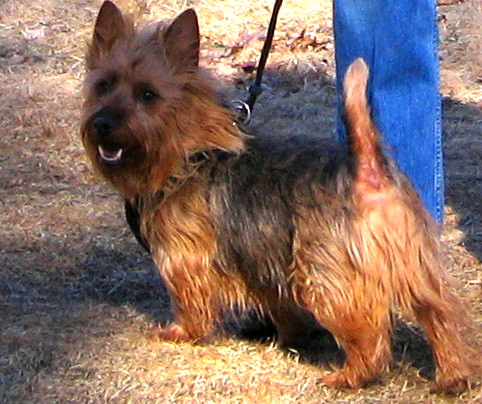
Dog
Canis lupus familiaris
Breeding facts
Clutch / litter size
1 – 12
Incubation / gestation
~63 days
Breeding season
Year-round
Litter size varies widely by breed. Gestation averages 63 days from ovulation.
Genetics traits
Individual heritable traits tracked on this species.
Agouti (ASIP)
ARecessiveAy / aw / at / a / Ay/Ay / Ay/aw / Ay/at / Ay/a / aw/aw / aw/at / aw/a / at/at / at/a / a/aAgouti signaling protein (ASIP) locus on chromosome 24. Controls the distribution of eumelanin (black/brown) and phaeomelanin (red/yellow) in the coat. Four main alleles in a dominance hierarchy: Ay (fawn/sable) > aw (wild sable/wolf sable) > at (tan points/tricolor) > a (recessive black). Ay produces fawn to sable coats with variable black overlay. aw produces banded hairs with alternating eumelanin and phaeomelanin (wolf-like pattern). at restricts phaeomelanin to defined points (eyebrows, muzzle, chest, legs) with eumelanin body -- this is the genetic basis of tricolor and black-and-tan patterns. a (recessive black) eliminates phaeomelanin entirely, producing solid eumelanin coat. Expression of A locus requires ky/ky at the K locus; KB (dominant black) and kbr (brindle) at K locus override Agouti expression. Additionally, ee at Extension locus masks all Agouti patterns.
ID tips: Ay: tan/fawn coat, may have black-tipped hairs (sable shading). aw: banded individual hairs visible under magnification, wolf-grey overall appearance. at: clearly defined tan points on muzzle, eyebrows, chest, and legs against dark body; saddle tan is a modified at pattern. a: solid black with no tan points or phaeomelanin visible anywhere. DNA testing recommended to distinguish Ay from aw (both can appear sable) and at from a in dark dogs.
Black (CBD103)
KDominantKB / kbr / ky / KB/KB / KB/kbr / KB/ky / kbr/kbr / kbr/ky / ky/kyBeta-defensin 103 (CBD103) locus, also called the K locus or dominant black locus. Three alleles in a strict dominance hierarchy: KB (dominant black) > kbr (brindle) > ky (allows Agouti expression). KB is a gain-of-function mutation that constitutively activates eumelanin production, overriding the Agouti locus entirely. kbr produces brindle striping: alternating eumelanin and phaeomelanin stripes over Agouti-determined base color. ky/ky allows full Agouti locus expression -- this is required for fawn, sable, tricolor, tan point, and wild sable phenotypes to be visible.
ID tips: KB: solid black (or brown if bb). No agouti pattern visible. kbr: brindle striping over the base color. ky/ky: Agouti pattern fully expressed. DNA testing needed to distinguish KB/kbr from KB/ky (both appear solid black) and kbr/ky from kbr/kbr (both appear brindle).
Brown (TYRP1)
BRecessiveB / b / bs / bd / bc / ba / be / bh / B/B / B/b / b/b / bbTyrosinase-related protein 1 (TYRP1) locus. Controls whether eumelanin pigment is black or brown. The wild-type B allele produces black eumelanin. Six recessive loss-of-function mutations (bs, bd, bc, ba, be, bh) have been identified, all producing brown/chocolate/liver eumelanin when homozygous. Any combination of two b alleles produces the brown phenotype. Brown affects all eumelanin: coat, nose leather, eye rims, and paw pads turn brown/liver. Eye color is typically amber or hazel in bb dogs. TYRP1 only modifies eumelanin; phaeomelanin (red/yellow) is unaffected. The bs allele is the most common across breeds; bd is found in several breeds including Dobermans; bc is found in Australian Shepherds and others.
ID tips: Brown/liver dogs have brown nose leather, eye rims, and paw pads (never black). Eyes are amber, hazel, or green rather than dark brown. Coat color ranges from deep chocolate to lighter liver depending on other modifiers. In combination with dilute (dd), brown becomes lilac/isabella. DNA testing identifies which specific TYRP1 mutations are present.
Dilute (MLPH)
DRecessiveD / d / d1 / d2 / d3 / D/D / D/d / d/d / ddMelanophilin (MLPH) locus. Controls pigment dilution by affecting melanosome transport within hair cells. Wild-type D produces full-intensity color. Three recessive dilution variants identified: d1 (most common, found in most breeds), d2 (found in Chow Chow, Sloughi, Thai Ridgeback), d3 (found in Chihuahua, Italian Greyhound, and other breeds). Any combination of two d alleles produces the dilute phenotype. Dilution affects both eumelanin and phaeomelanin: black becomes blue/grey, brown becomes lilac/isabella, red/fawn becomes cream/champagne.
ID tips: Blue/dilute dogs have a distinctive slate-grey or steel-blue coat when diluting black eumelanin. Nose leather, eye rims, and paw pads are grey/blue rather than black. Lilac/isabella (bb dd) dogs have a warm grey-lavender coat with lighter nose and eye color. Dilute fawn appears as a pale cream or champagne.
mild homozygous risk: Color Dilution Alopecia (CDA) is associated with the homozygous dilute (dd) genotype. CDA causes progressive hair loss, dry/scaly skin, and recurrent bacterial skin infections in affected dogs. The condition results from macromelanosomes (abnormally large pigment clumps) in hair follicles. CDA has incomplete penetrance: not all dd dogs develop clinical signs. Breed susceptibility varies significantly. CDA typically appears between 6 months and 3 years of age. There is no cure; treatment focuses on managing skin health and preventing secondary infections.
Extension (MC1R)
ERecessiveEm / EG / eA / eH / E / e / e1 / e2 / e3 / Em/Em / Em/E / Em/e / E/E / E/e / e/e / eeMelanocortin 1 receptor (MC1R) locus. Controls production of eumelanin vs. phaeomelanin at the cellular level. Multiple alleles in a dominance hierarchy: Em (melanistic mask) > E (wild type/normal extension) > eA/eG/eH (reduced function variants) > e (recessive red/cream). Em produces a dark eumelanin mask on the muzzle, common in French Bulldogs, Mastiffs, German Shepherds, and many other breeds. e (recessive red) when homozygous (ee) prevents all eumelanin production in the coat, producing solid red/yellow/cream dogs regardless of genotype at A, K, or B loci.
ID tips: Em: dark mask on muzzle visible from birth. E: normal pigmentation, no mask. ee (recessive red): solid red, yellow, cream, or white coat with NO black/brown hairs anywhere in the coat. Nose and paw pads may still be black. DNA testing is the only way to distinguish E/E from E/e carriers.
Harlequin (PSMB7)
HDominantH / h / H/h / h/hProteasome subunit beta type 7 (PSMB7) locus, also called the H locus. A missense mutation (Val63Gly) in PSMB7 produces the harlequin pattern when combined with merle. Harlequin is a modifier of merle: it removes the diluted grey/blue areas of the merle pattern, replacing them with white, while leaving the full-pigment patches intact. The result is a white base coat with torn black patches (in Great Danes). Harlequin REQUIRES merle (M/m) at the M locus to be expressed. Homozygous H/H is embryonic lethal.
ID tips: H/h with M/m: white base coat with irregular torn black patches -- the classic Great Dane harlequin. H/h with m/m: appears solid (no visible effect without merle). DNA testing required to identify harlequin carriers not on a merle background.
lethal homozygous risk: Homozygous Harlequin (H/H) is embryonic lethal. No live H/H dogs have ever been documented. All harlequin-patterned dogs are heterozygous (H/h). The PSMB7 mutation disrupts proteasome function; in homozygous form this is incompatible with embryonic survival. Harlequin-to-harlequin breeding will produce approximately 25% fewer viable puppies per litter due to H/H embryos dying early in gestation.
Intensity (MFSD12)
IRecessiveI / i / In / N/N / N/In / In/In / I/I / I/i / i/iMajor facilitator superfamily domain containing 12 (MFSD12) locus, also called the I locus or Intensity locus. Controls the intensity of phaeomelanin (red/yellow) pigment. Wild-type I/I produces full-intensity red/yellow phaeomelanin. The In (intensity dilution) variant, when homozygous (In/In), dilutes phaeomelanin from deep red/orange to pale cream or white. Crucially, Intensity only affects phaeomelanin -- eumelanin (black/brown) is NOT affected.
ID tips: In/In with ee genotype: cream to white coat (instead of deep red/yellow). In/In does not affect black areas. Compare: an ee dog with full intensity (I/I) will be deep red/golden; the same dog with In/In will be pale cream/white.
Long Hair (FGF5)
LRecessiveL / l / L1 / L2 / L3 / L4 / L5 / L/L / L/l / l/l / llFibroblast growth factor 5 (FGF5) locus, also called the L locus. Controls coat length by regulating the hair growth cycle. Wild-type L (short hair) causes hair to stop growing at a normal length. Five recessive loss-of-function mutations (L1 through L5) have been identified, all producing long hair when homozygous. L4 (c.559-560dupGG) is found in French Bulldogs -- this is the "fluffy" gene in French Bulldogs. Any combination of two l alleles produces the long-haired phenotype.
ID tips: l/l: noticeably longer coat than the breed standard for short-coated breeds. In French Bulldogs, l/l produces the "fluffy" phenotype with longer, softer fur especially on the ears, chest, and legs. In breeds that are already long-coated (e.g., Afghan Hound), the l/l genotype IS the breed standard.
Merle (PMEL)
MIncomplete DominantM / m / Mc / Mc+ / Ma / Ma+ / Mh / M/m / M/M / m/m / Mm / MMPremelanosome protein (PMEL, also called SILV or PMEL17) locus. A SINE retrotransposon insertion in the PMEL gene causes the merle phenotype. The length of the inserted SINE element determines the severity of the merle effect, creating a spectrum of alleles: m (non-merle), Mc (cryptic merle), Mc+ (cryptic+), Ma (atypical), Ma+ (atypical+), M (classic merle), Mh (harlequin merle). Heterozygous M/m produces the classic merle pattern: random patches of diluted (grey/blue) pigment interspersed with areas of full pigment. Double merle (M/M or M/Mh) produces excessive white with severe health risks.
ID tips: M/m (heterozygous merle): irregular patches of diluted and full-intensity color. Pattern is random and asymmetric. One or both eyes may be blue or partially blue. Mc (cryptic merle): appears solid but carries the merle gene -- CRITICAL for breeding decisions. M/M (double merle): predominantly white; often has blue eyes, wall eyes, or microphthalmia. DNA testing is ESSENTIAL for merle breeding.
severe homozygous risk: Double merle (M/M, also written MM) results from breeding two merle dogs. The homozygous merle genotype produces excessive white coloration due to severe melanocyte loss. Health consequences include: auditory defects ranging from partial hearing loss to complete bilateral deafness, ocular defects including microphthalmia (abnormally small eyes), coloboma, and blindness. Merle-to-merle breeding is strongly discouraged by breed clubs, veterinary geneticists, and responsible breeders. DNA testing for merle allele type is essential before any merle breeding, as cryptic merle (Mc) carriers are visually indistinguishable from non-merle dogs.
Spotting (MITF)
SIncomplete DominantS / si / sp / sw / S/S / S/sp / sp/sp / S/sw / sp/sw / sw/swMicrophthalmia-associated transcription factor (MITF) locus, also called the S locus or white spotting locus. Controls the migration and survival of melanocytes during embryonic development. Multiple alleles: S (solid, no white), si (Irish spotting), sp (piebald/parti, extensive white with colored patches), sw (extreme white, mostly white with minimal color). The amount of white is dosage-dependent. Modifier genes significantly affect expression.
ID tips: S/S: solid coat with no or minimal white. S/sp or S/si: Irish spotting pattern. sp/sp: piebald/parti -- large areas of white with colored patches. sw/sw: extreme white -- predominantly white. White areas lack melanocytes entirely (not diluted color).
Morphs
Named visual expressions and genetic combinations tracked in this species.
Single-gene morphs
pattern
Black and Tan
Agouti (ASIP) (A)
Brindle
Black (CBD103) (K)
Harlequin
Harlequin (PSMB7) (H)
Merle
Merle (PMEL) (M)
Tri
Agouti (ASIP) (A)
color
Blue
Dilute (MLPH) (D)
Chocolate
Brown (TYRP1) (B)
Cream
Intensity (MFSD12) (I)
Fawn
Agouti (ASIP) (A)
Liver
Brown (TYRP1) (B)
Red
Extension (MC1R) (E)
Sable
Agouti (ASIP) (A)
coat_type
Fluffy
Long Hair (FGF5) (L)
Combo morphs
Blue Brindle
ModerateRequires: Dilute (MLPH) + Black (CBD103)
Brindle pattern (kbr/- at K locus) with homozygous dilute (dd). The eumelanin brindle stripes are diluted from black to blue/grey. Base fawn color may also appear slightly lighter. Produces grey-blue stripes on a fawn base. Registry status: AKC DQ in French Bulldogs (blue component is DQ). ABKC and UKC accepted in American Bullies.
Blue Fawn
ModerateRequires: Dilute (MLPH) + Agouti (ASIP)
Fawn/sable base (Ay/- at Agouti, ky/ky at K locus) with homozygous dilute (dd). The fawn base coat is present but any eumelanin overlay (sabling, mask) is diluted from black to blue/grey. Produces a warm fawn body with a blue/grey mask (if Em is present at E locus) and blue/grey tipping on hairs. Registry status: AKC DQ in French Bulldogs (listed specifically as "blue fawn" in DQ colors). ABKC accepted in American Bullies.
Blue Merle
EasyRequires: Merle (PMEL)
Merle pattern (M/m) on a black eumelanin base (B/- D/-). The "blue" in blue merle does NOT come from the D (Dilute) locus -- it refers to the grey/blue dilution that the merle gene itself produces in random patches of the coat. This is the most common and recognized form of merle. Registry status: AKC STANDARD in Australian Shepherds (blue merle is one of four standard colors), Collies, Shetland Sheepdogs, and Great Danes. AKC DQ in French Bulldogs. UKC DQ in American Bullies and American Pit Bull Terriers. ABKC accepted in American Bullies.
Blue Merle Tri
AdvancedRequires: Merle (PMEL) + Dilute (MLPH) + Agouti (ASIP)
Merle (M/m) with homozygous dilute (dd) and tan points (at/at at Agouti, ky/ky at K locus). This three-locus combo is used primarily in bully breed contexts where "blue" specifically means D locus dilute (dd). Combines merle pattern, dilute blue base, and tan points. Registry status: AKC DQ in French Bulldogs (merle and blue both DQ). ABKC accepted in American Bullies. UKC DQ in American Bullies (merle component).
Blue Tri
ModerateRequires: Dilute (MLPH) + Agouti (ASIP)
Tan points (at/at at Agouti, ky/ky at K locus) with homozygous dilute (dd). Blue/grey body with tan points on eyebrows, muzzle, chest, and legs. The eumelanin body color is diluted from black to blue/grey while phaeomelanin tan points are slightly lightened. Registry status: ABKC and UKC accepted in American Bullies. AKC DQ in French Bulldogs (blue is DQ). Standard in some breeds where blue and tan points are individually accepted.
Champagne
ModerateRequires: Dilute (MLPH) + Extension (MC1R)
Dilute (dd) on a recessive red/cream base (ee at Extension locus). Phaeomelanin is diluted by the dd genotype, and with ee preventing eumelanin production, the result is a very pale cream/champagne coat. Term used primarily in bully breeds. Registry status: ABKC accepted in American Bullies.
Chocolate Fawn
ModerateRequires: Brown (TYRP1) + Agouti (ASIP)
Fawn/sable base (Ay/- at Agouti, ky/ky at K locus) on a chocolate eumelanin base (bb at Brown locus). The eumelanin areas (mask, sabling, nose leather, eye rims, paw pads) are brown/liver rather than black. Produces a warm golden-fawn coat with a chocolate/liver nose and brown eumelanin overlay instead of the black overlay seen in standard fawn. Often described as a "maskless chocolate fawn" when the dog is also Ee or ee at Extension (reducing the mask). Distinct from Blue Fawn (which is D-locus based) and from standard Fawn (B/- at Brown locus). In French Bulldogs this color is AKC DQ (chocolate bb is a DQ modifier). Common breeder term in the Frenchie community.
Chocolate Fawn Merle
DifficultRequires: Merle (PMEL) + Brown (TYRP1) + Agouti (ASIP)
Merle pattern (M/m) acting on a chocolate fawn base (bb at Brown locus, Ay/- at Agouti, ky/ky at K locus). The merle gene dilutes the brown eumelanin overlay and sabling to a lighter, mottled warm-lavender pattern over a fawn body. Because the eumelanin is already modified by bb (brown) and further disrupted by merle, the mottled patches appear as a warm pinkish-lavender on a golden-fawn ground rather than the grey patches seen in blue merle. The breeder community in color French Bulldog programs uses the term "Isabella Fawn Merle" for this phenotype. It sits between a chocolate fawn and a lilac merle visually, with a distinctly warm tone not seen in standard merle variants. AKC DQ in French Bulldogs (both merle and chocolate are independently DQ). Produced in some specialty Frenchie color programs.
Chocolate Merle
ModerateRequires: Merle (PMEL) + Brown (TYRP1)
Merle pattern (M/m) on a chocolate/liver base (bb). Also called "red merle" in Australian Shepherds and some other breeds. The brown eumelanin is diluted in merle patches to lighter tan/beige while full-pigment areas remain chocolate. Registry status: AKC standard in Australian Shepherds (as "red merle"). AKC DQ in French Bulldogs (both merle and chocolate are DQ).
Chocolate Tri
ModerateRequires: Brown (TYRP1) + Agouti (ASIP)
Chocolate/liver (bb) with tan points (at/at at Agouti, ky/ky at K locus). Chocolate body with tan points on face, chest, and legs. Also called "liver and tan" in sporting breeds. Registry status: AKC DQ in French Bulldogs (chocolate is DQ). ABKC accepted in American Bullies.
Isabella
ModerateRequires: Brown (TYRP1) + Dilute (MLPH)
Genetically identical to Lilac (bb dd). The name "isabella" is used primarily for Doberman Pinschers and some European breeds. Also used interchangeably with "lilac" in French Bulldogs and bully breeds. Registry status: AKC standard in Doberman Pinschers (as "fawn" -- the fourth accepted color, listed as fawn/isabella). AKC DQ in French Bulldogs. AKC DQ in Great Danes.
Lilac
ModerateRequires: Brown (TYRP1) + Dilute (MLPH)
Homozygous brown (bb) plus homozygous dilute (dd). Eumelanin is both changed from black to brown AND diluted, producing a distinctive warm grey-lavender/lilac color. Called "lilac" in French Bulldogs, American Bullies, and bully breeds. Called "isabella" in Doberman Pinschers and some other breeds. Genetically identical regardless of breed name: bb dd. Registry status: AKC DQ in French Bulldogs. AKC standard in Doberman Pinschers (as "fawn/isabella"). ABKC accepted in American Bullies.
Lilac Merle
DifficultRequires: Merle (PMEL) + Brown (TYRP1) + Dilute (MLPH)
Merle pattern (M/m) on a lilac/isabella base (bb dd). The lightest possible merle variation -- lilac areas are further diluted by merle patches, creating an extremely pale lavender-and-lighter-lavender mottled pattern. Registry status: AKC DQ in French Bulldogs (both merle and lilac are DQ). ABKC accepted in American Bullies. UKC DQ in American Bullies (merle component).
Lilac Merle Tri
AdvancedRequires: Merle (PMEL) + Brown (TYRP1) + Dilute (MLPH) + Agouti (ASIP)
The most complex common color combination: lilac merle (M/m bb dd) with tan points (at/at, ky/ky). Produces a lilac merle body pattern with tan points. Extremely pale overall. Registry status: AKC DQ in French Bulldogs (merle, lilac both DQ). ABKC accepted in American Bullies. UKC DQ in American Bullies (merle component).
Lilac Tri
DifficultRequires: Brown (TYRP1) + Dilute (MLPH) + Agouti (ASIP)
Lilac (bb dd) with tan points (at/at at Agouti, ky/ky at K locus). Produces a dog with a lilac/isabella body and cream/tan points on eyebrows, muzzle, chest, and legs. One of the most sought-after colors in American Bullies and French Bulldogs. Registry status: AKC DQ in French Bulldogs (lilac is DQ). ABKC accepted in American Bullies.
New Shade Isabella
DifficultRequires: Agouti (ASIP) + Brown (TYRP1) + Dilute (MLPH)
Recessive black base (aa at Agouti, ky/ky at K locus) combined with homozygous brown (bb) and homozygous dilute (dd). The "new shade" terminology was coined by French Bulldog breeders to distinguish this aa+bb+dd phenotype from the more common Lilac/Isabella (Ay+bb+dd). Because the base is recessive black (aa) rather than fawn (Ay), the dog's overall appearance is a more uniform, cool-toned lavender-grey without the warm phaeomelanin undertone present in standard Lilac. The coat is solid (no Agouti pattern variation) with a consistent muted lavender-grey tone throughout. Genetically one of the most complex solid-color phenotypes, requiring recessive homozygosity at three loci simultaneously (A, B, D) plus ky/ky at K. AKC DQ in French Bulldogs (both chocolate and dilute are individually DQ; recessive black combined with bb and dd makes this triply non-standard). Produced in some advanced Frenchie color programs. The "new shade" phenotype is visually distinguishable from standard Isabella to experienced breeders due to the cooler, more uniform tone.
Pied
EasyRequires: Spotting (MITF)
Piebald/parti pattern (sp/sp or sw alleles at S/MITF locus). White base with colored patches. Expression varies from mostly colored with white markings to mostly white with a few colored patches. The term "pied" is used in French Bulldogs and some other breeds; "parti" is used in Poodles and other breeds; "piebald" is the genetic term. Registry status: AKC standard in French Bulldogs (pied is an accepted pattern in brindle pied, fawn pied, cream pied, and white). AKC DQ in Standard Poodles (solid colors only) but UKC accepts parti Poodles.
Rojo
DifficultRequires: Agouti (ASIP) + Brown (TYRP1) + Dilute (MLPH) + Extension (MC1R)
Tan-point base (at/- at Agouti, ky/ky at K locus) combined with homozygous brown (bb), homozygous dilute (dd), and homozygous recessive Extension (emem, no mask). The emem genotype prevents all eumelanin production in the coat, so the body expresses as a warm, rich phaeomelanin red/copper. The bb and dd modifiers affect the nose leather, eye rims, and paw pads, turning them liver-to-pale-lavender rather than black. Without the black mask (emem), the dog presents as a richly pigmented warm copper-red with distinctive pale-colored nose and points. The Frenchie community uses "Rojo" (Spanish: red) for this phenotype. When the tan-point pattern is visible and distinct (at/at + ky/ky with the emem creating the warm body tone over the tan-point distribution), breeders call it "Rojo and Tan." AKC DQ in French Bulldogs (chocolate, dilute, and recessive red combinations are all outside the AKC standard).
Silver
ModerateRequires: Brown (TYRP1) + Dilute (MLPH)
Genetically identical to lilac/isabella (bb dd). "Silver" is the term used primarily for dilute chocolate Labrador Retrievers. The Labrador Retriever Club of America does not recognize silver as a standard color and considers the dilute gene non-standard in the breed. AKC registers silver Labs as "chocolate" but the color is controversial. Registry status: AKC registers under "chocolate" for Labrador Retrievers. LRC considers it non-standard.
Tri Merle
ModerateRequires: Merle (PMEL) + Agouti (ASIP)
Merle pattern (M/m) on a tan-point base (at/at at Agouti, ky/ky at K locus) with non-dilute eumelanin (D/-). The eumelanin body areas show merle mottling (black and grey patches) while tan points remain largely unaffected (merle primarily dilutes eumelanin). Also called "merle tri" in bully breeds. Registry status: AKC standard in Australian Shepherds (as "blue merle" -- one of four standard colors, often with tan points). ABKC accepted in American Bullies. UKC DQ in American Bullies (merle component).
Trait interactions
Known interactions between specific genes, including lethal combinations to avoid.
Recessive red (ee at Extension locus) is epistatic to all Agouti locus alleles. When a dog is ee, eumelanin cannot be deposited in the coat, so all Agouti patterns are masked. The dog will be solid red/yellow/cream regardless of Agouti genotype.
Harlequin (H locus) is epistatic to Merle (M locus): the H allele modifies the merle pattern by converting diluted/grey merle areas to white, leaving full-pigment patches intact. H has no visible effect without merle.
Recessive red (ee at Extension locus) is epistatic to the K locus. When a dog is ee, the K locus genotype (KB, kbr, or ky) has no visible effect because eumelanin cannot be produced in the coat.
The K locus is epistatic to the Agouti locus. Dominant black (KB) completely suppresses Agouti expression. Brindle (kbr) modifies Agouti expression by adding eumelanin striping. Only ky/ky allows full Agouti expression.
Breeds
Recognized breeds with dedicated trait profiles and registry information.
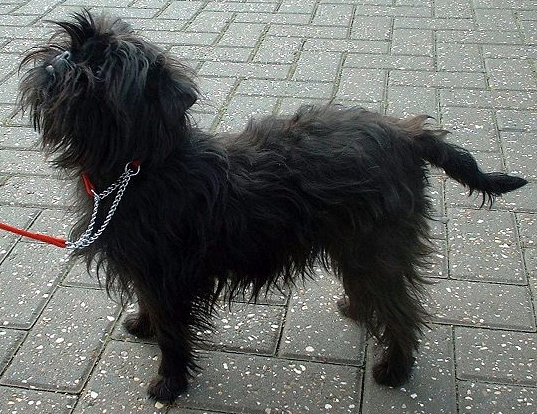
Affenpinscher
Small, wiry-coated toy breed with a monkey-like expression. AKC Toy Group. Fearless, amusing, and fiercely loyal despite its tiny size.
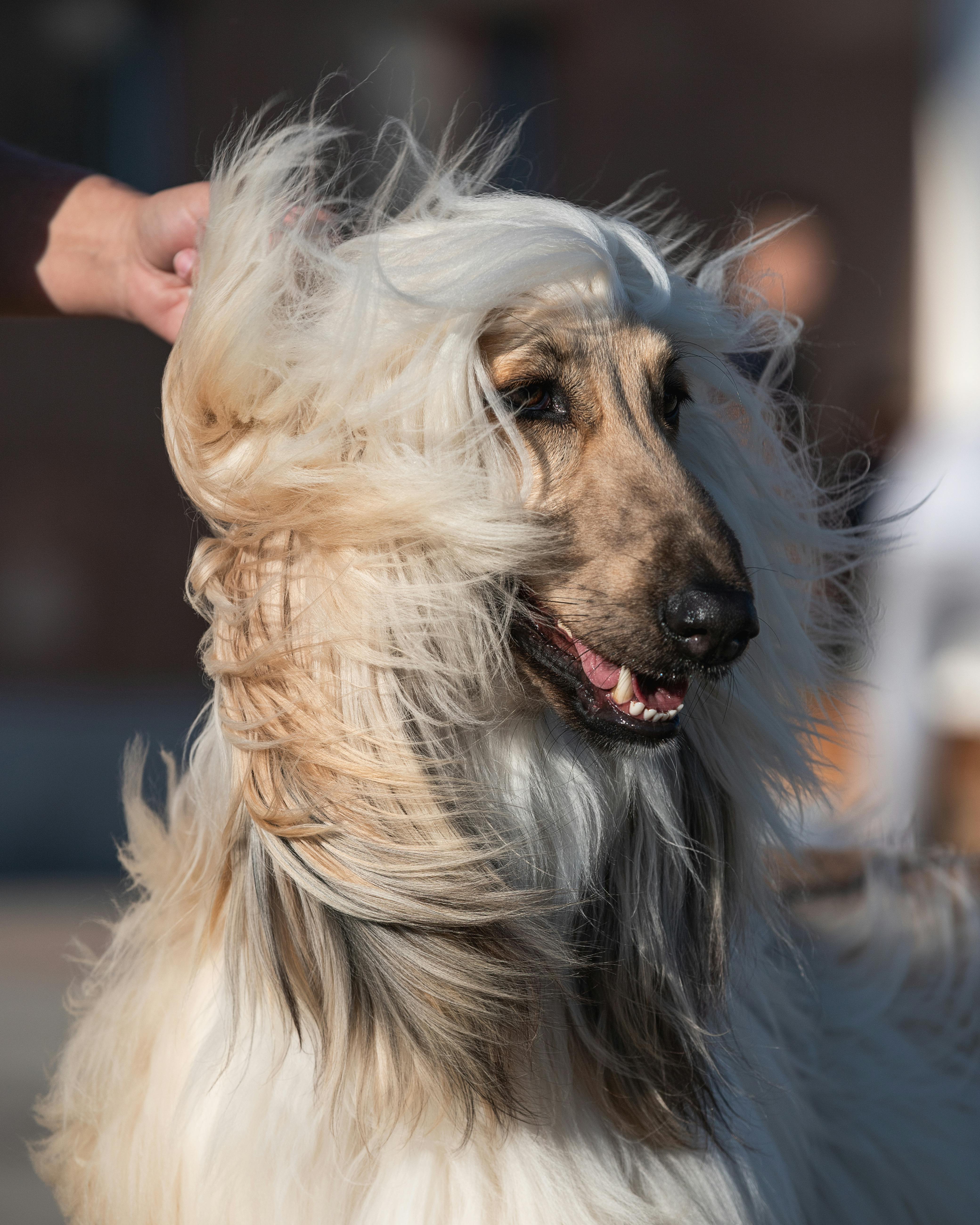
Afghan Hound
Elegant, aristocratic sighthound with a long, silky coat. AKC Hound Group. One of the oldest dog breeds, originally bred for hunting in the mountains of Afghanistan.
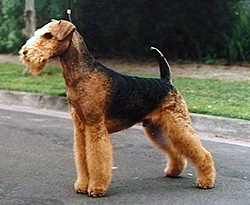
Airedale Terrier
Largest of the terrier breeds, known as the "King of Terriers." AKC Terrier Group. Versatile and intelligent, used historically in hunting, police, and military work.
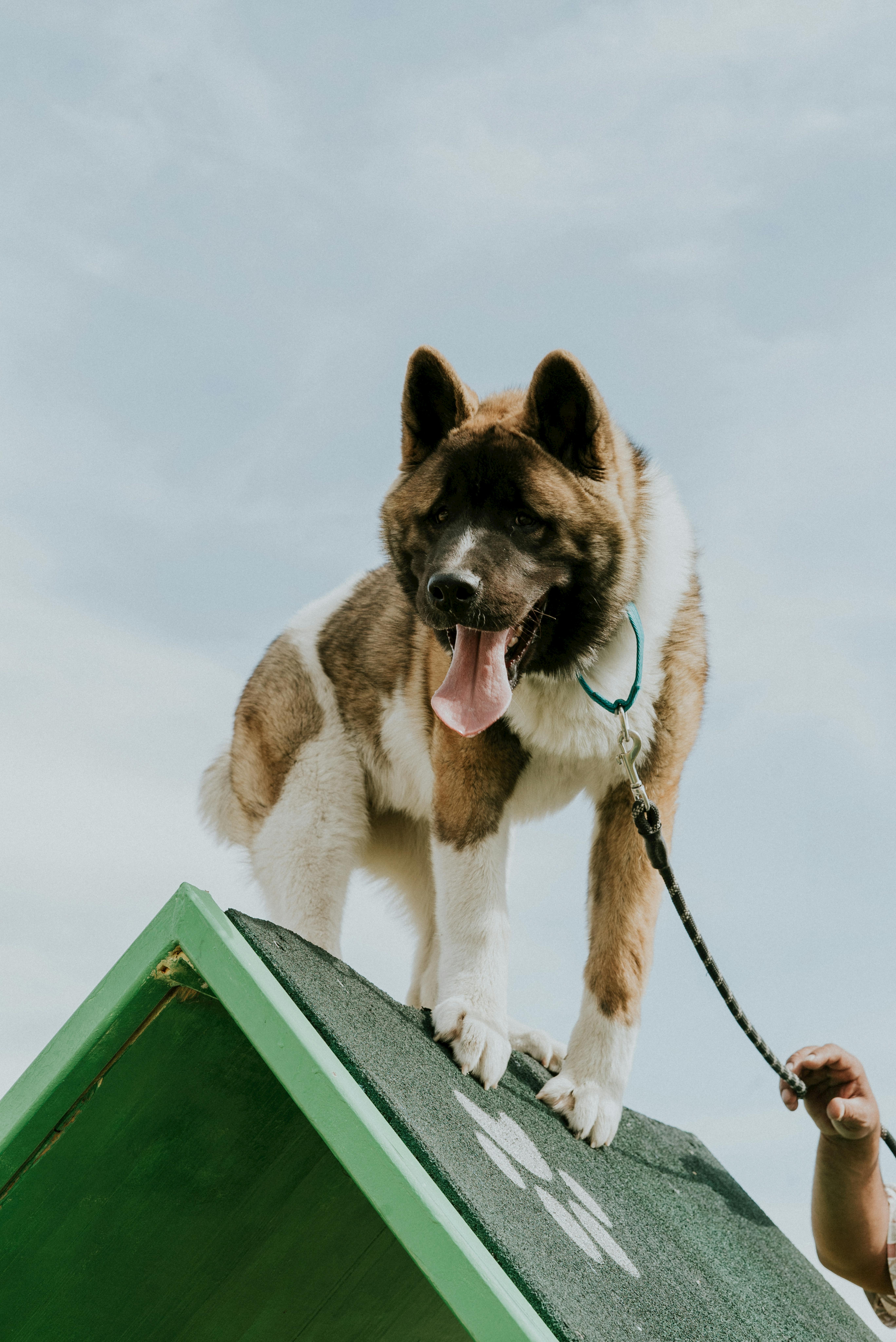
Akita
Large, powerful breed originating from Japan. AKC Working Group. Loyal and protective with a dignified, courageous temperament.
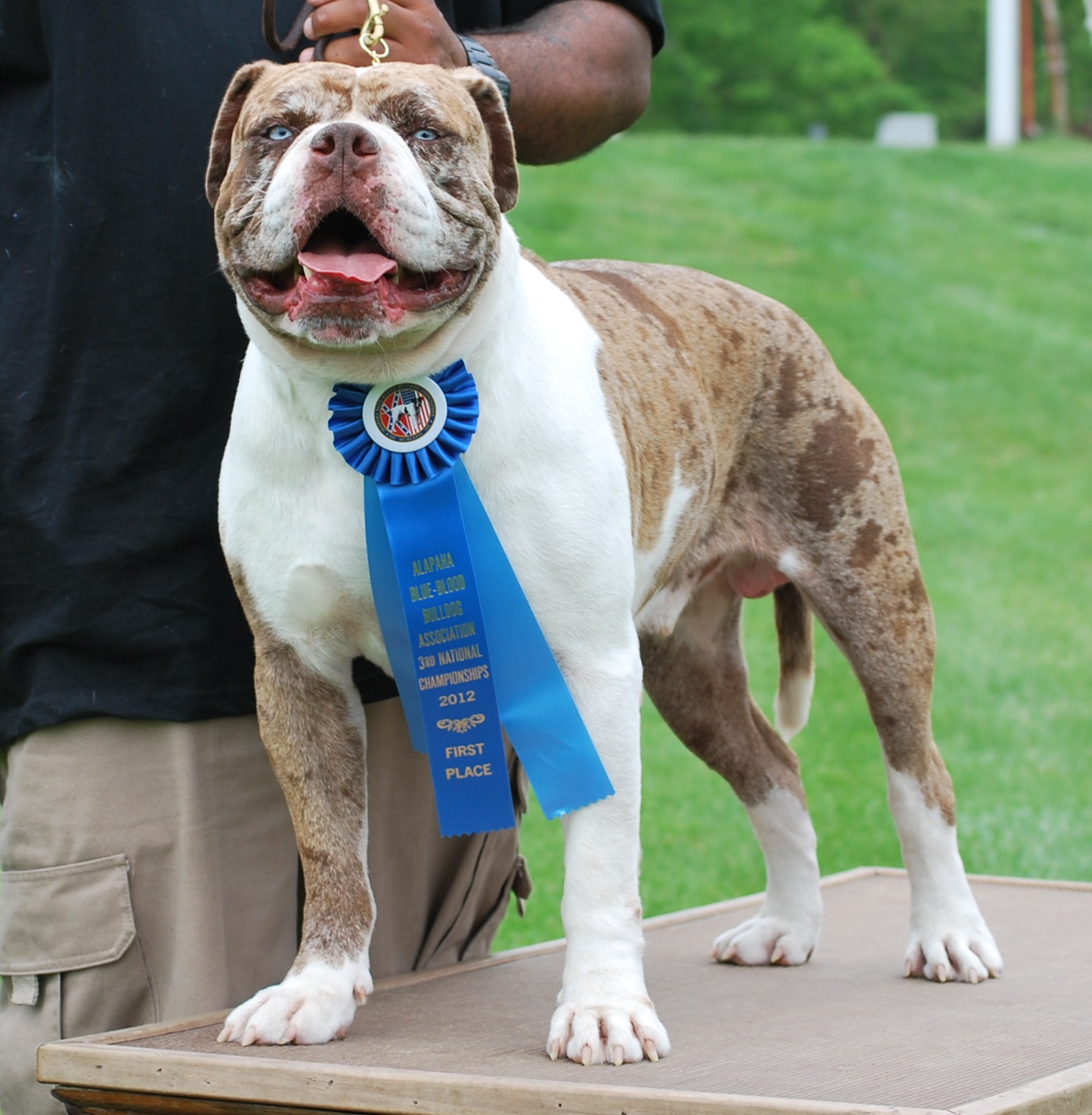
Alapaha Blue Blood Bulldog
Rare American bulldog-type breed developed in southern Georgia as a plantation and catch dog. Recognized by smaller registries. Loyal, protective, and athletic.
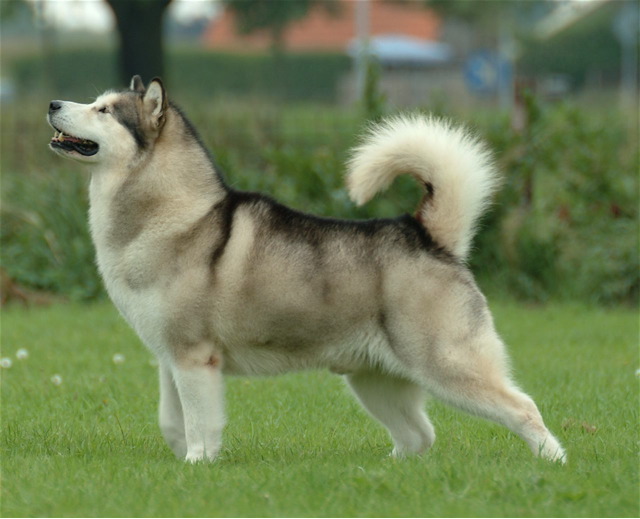
Alaskan Malamute
Large, powerful Arctic sled breed built for hauling heavy freight. AKC Working Group. Strong, independent, and affectionate with a thick double coat.
American Bandogge
Powerful crossbred guardian developed from mastiff and bulldog-type breeds. Not recognized by AKC or UKC; registered through breed-specific organizations such as the American Bandogge Mastiff Association. Strong, confident, and bred primarily for protection work.
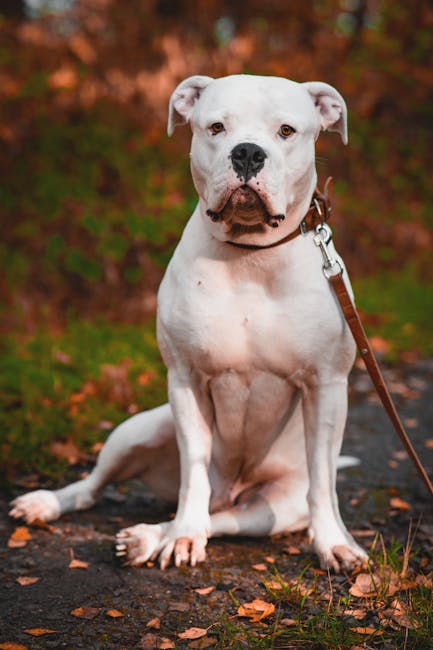
American Bulldog
Large, muscular working breed descended from Old English Bulldogs brought to the American South. UKC recognized. Athletic, confident, and versatile as a farm and family dog.
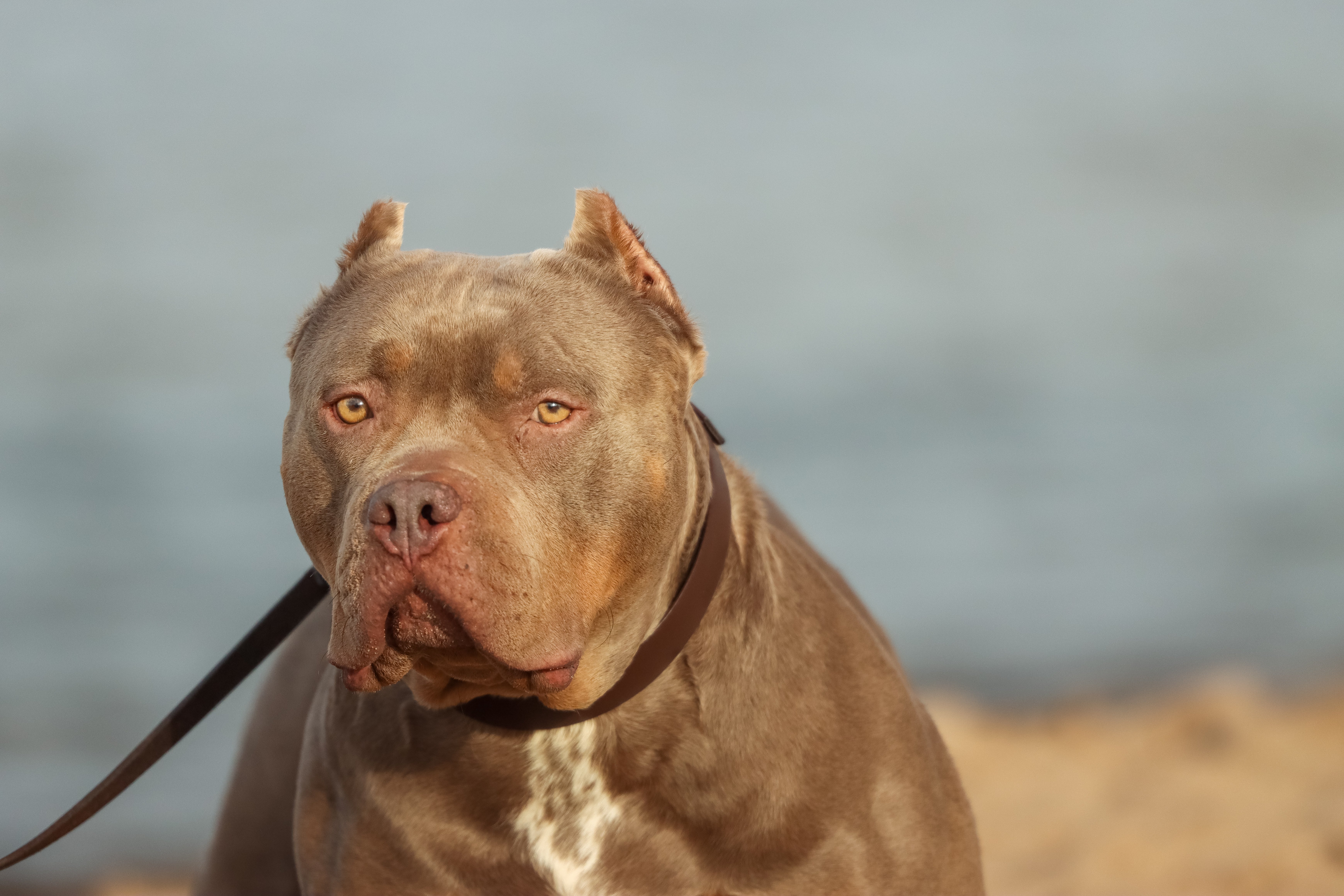
American Bully
Companion breed developed from American Pit Bull Terrier and other bulldog-type breeds. Recognized by ABKC and UKC. Multiple size classes: Pocket, Standard, Classic, XL.
American English Coonhound
Fast, wide-ranging coonhound known for speed and endurance. AKC Hound Group. Versatile hunter capable of treeing raccoons and trailing larger game.
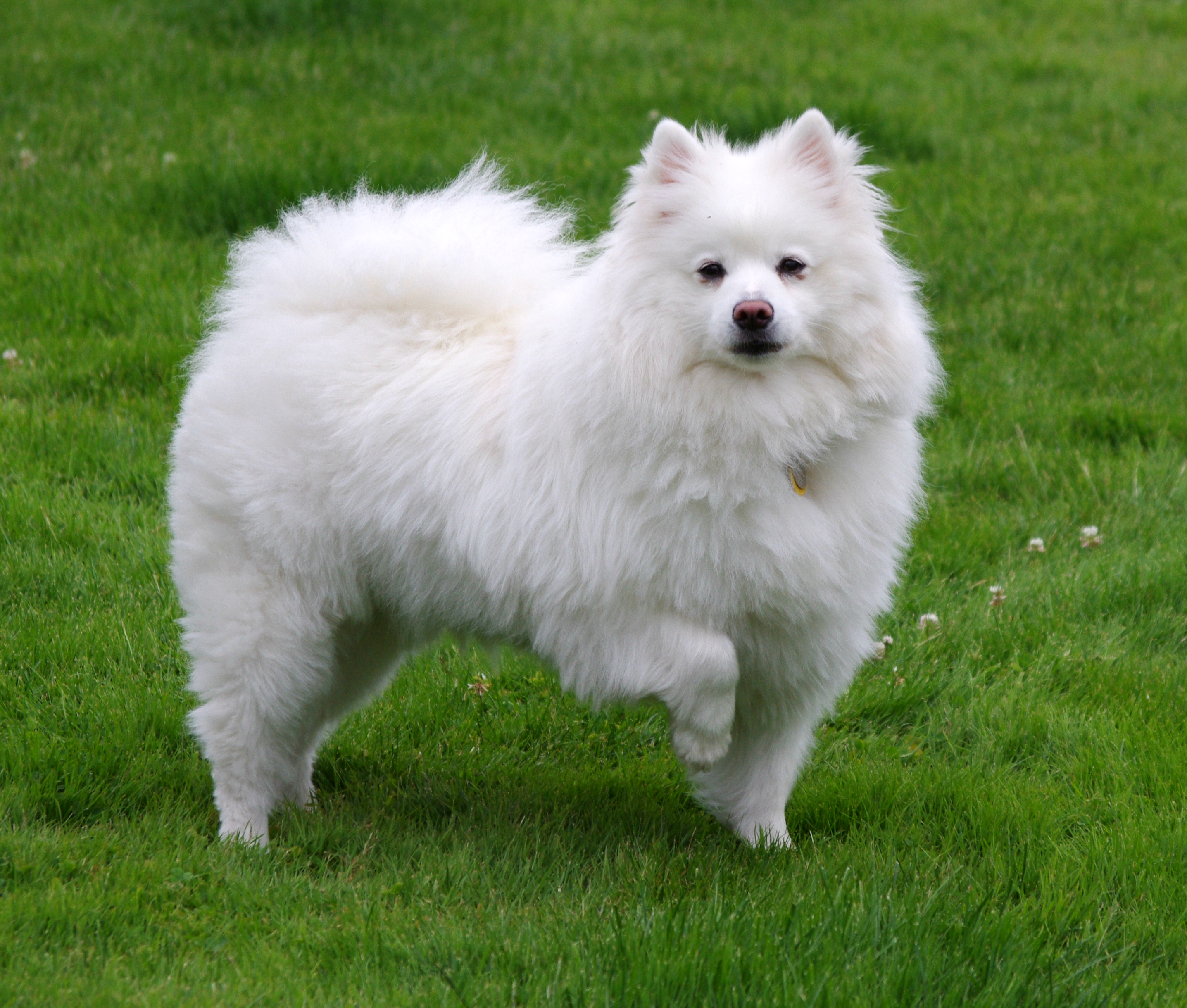
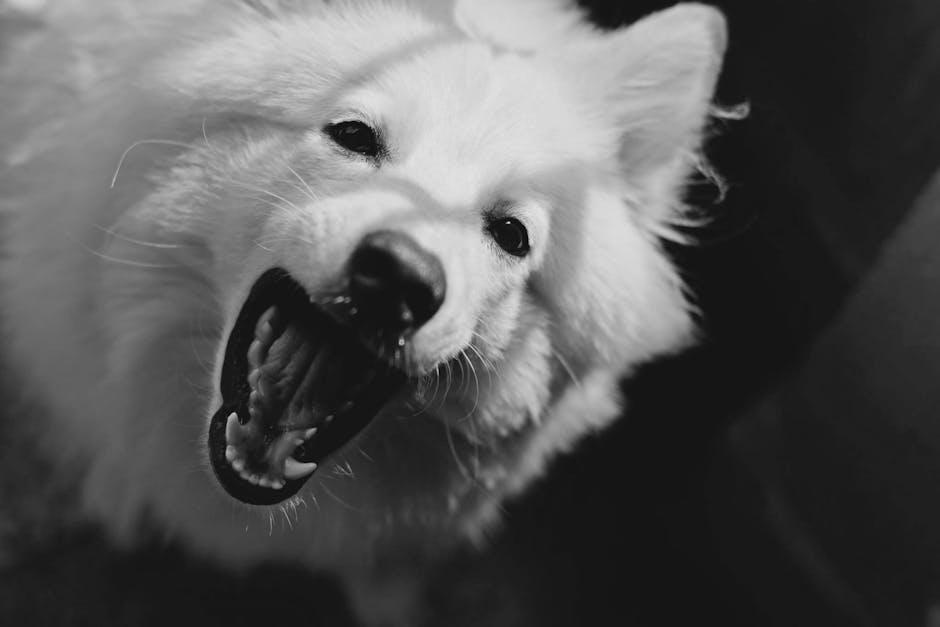
American Eskimo Dog
Bright, white Spitz-type breed available in Standard, Miniature, and Toy sizes. AKC Non-Sporting Group. Alert, friendly, and eager to please.
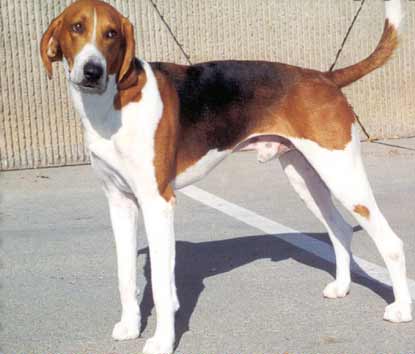
American Foxhound
Tall, lean hound bred for fox hunting in the American colonies. AKC Hound Group. One of the rarest AKC breeds despite being among the oldest American breeds.
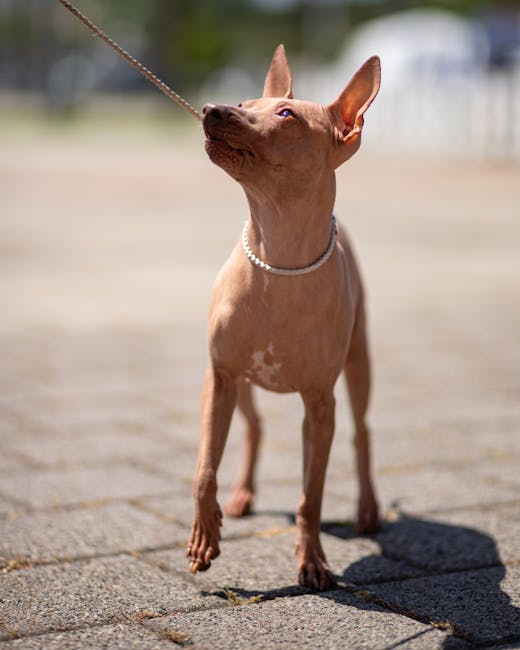
American Hairless Terrier
Small to medium terrier, the only hairless breed originating in the United States. AKC Terrier Group. Energetic, alert, and an excellent choice for allergy sufferers.
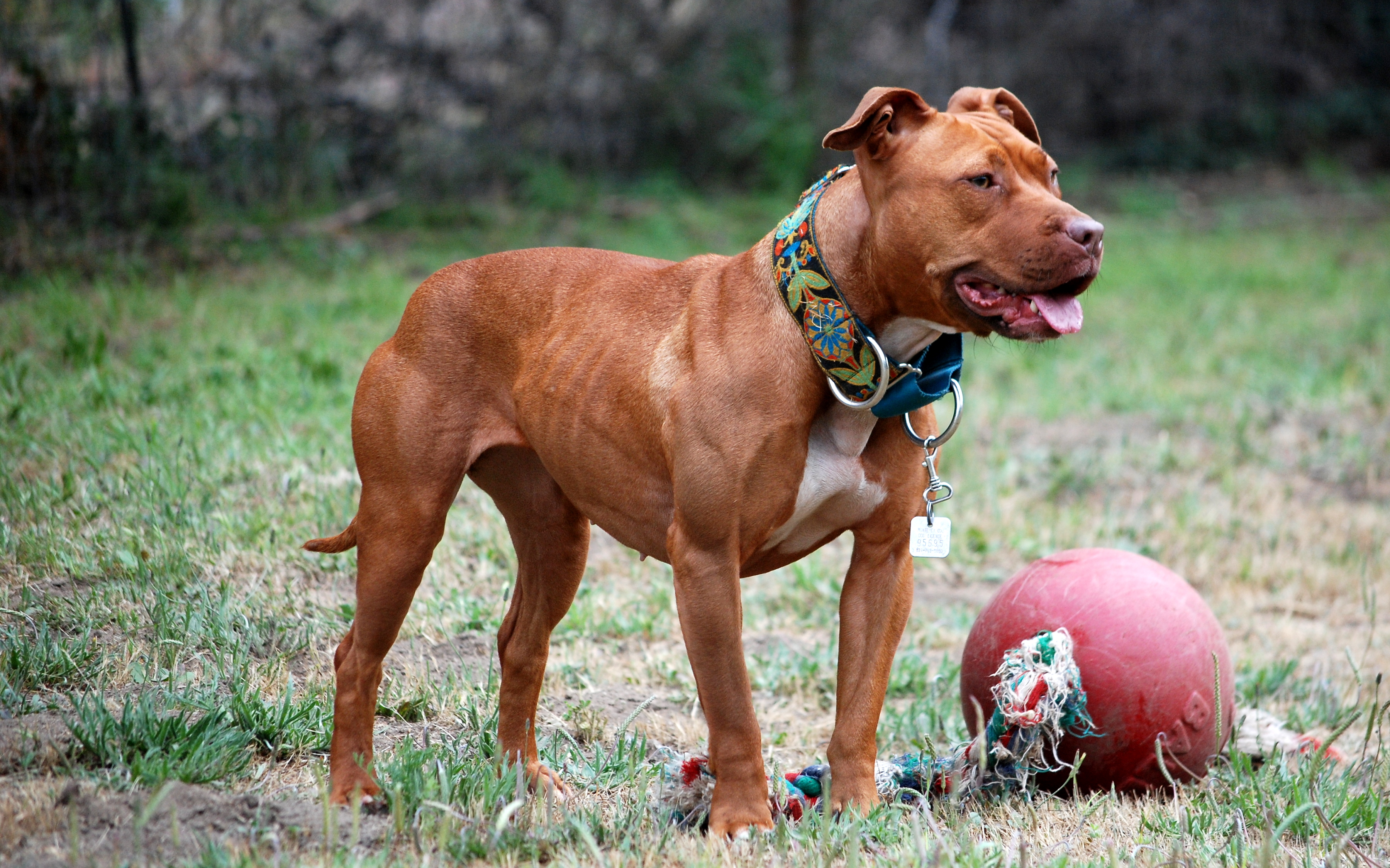
American Pit Bull Terrier
Athletic, loyal breed with a strong drive. Recognized by ADBA and UKC. Often confused with the American Bully but a distinct breed with different conformation standards.
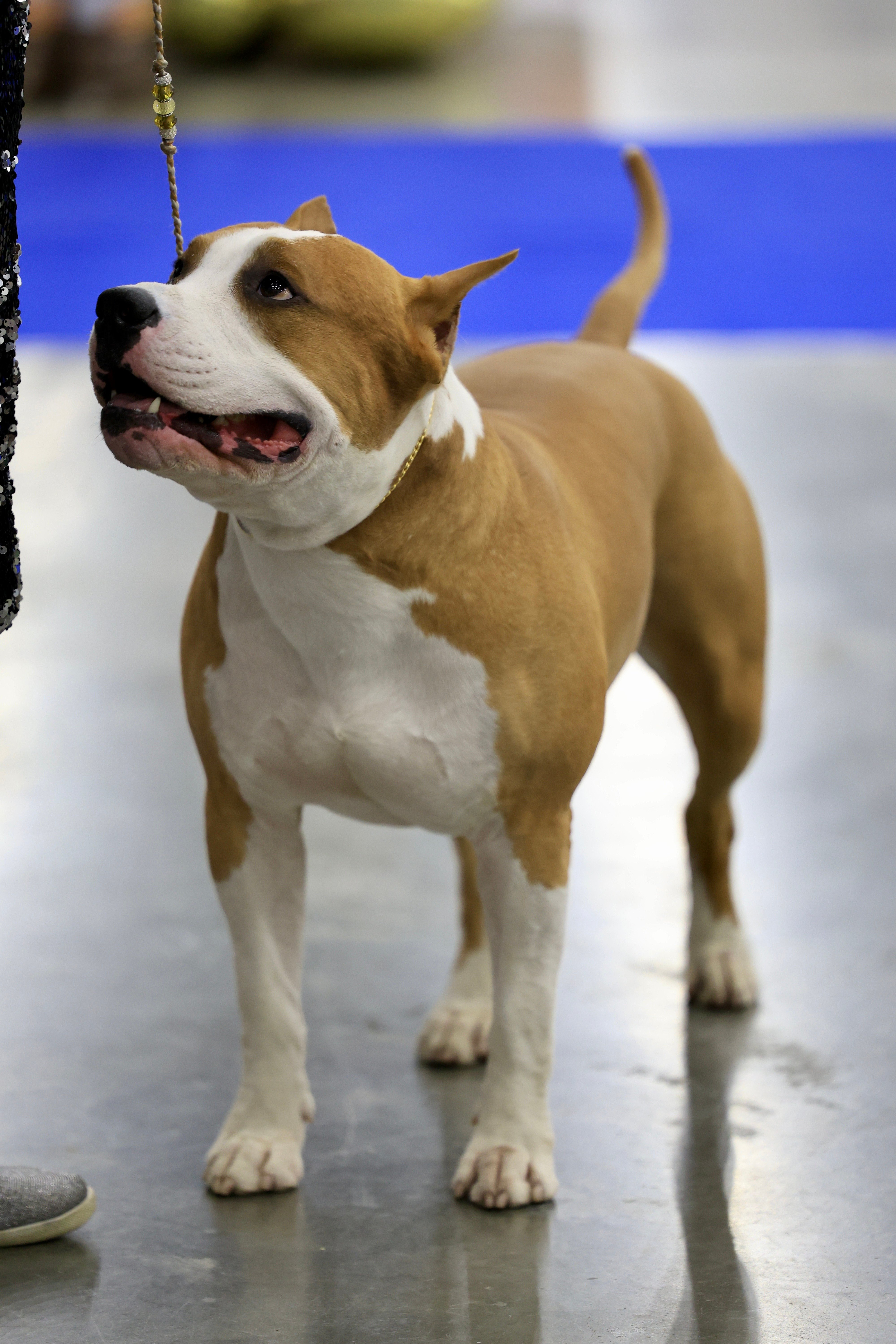
American Staffordshire Terrier
Stocky, muscular terrier known for strength and confidence. AKC Terrier Group. Loyal and good-natured companion often confused with the American Pit Bull Terrier but bred to a different conformation standard.
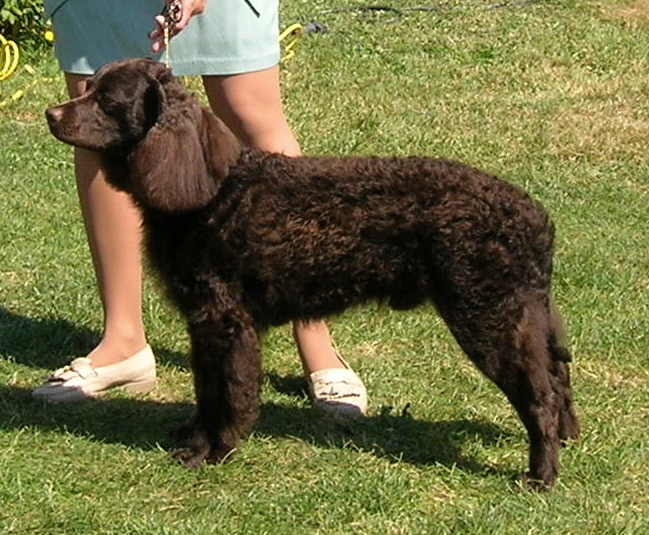
American Water Spaniel
Versatile, medium-sized spaniel developed in the Great Lakes region. AKC Sporting Group. State dog of Wisconsin, skilled at retrieving from boats.
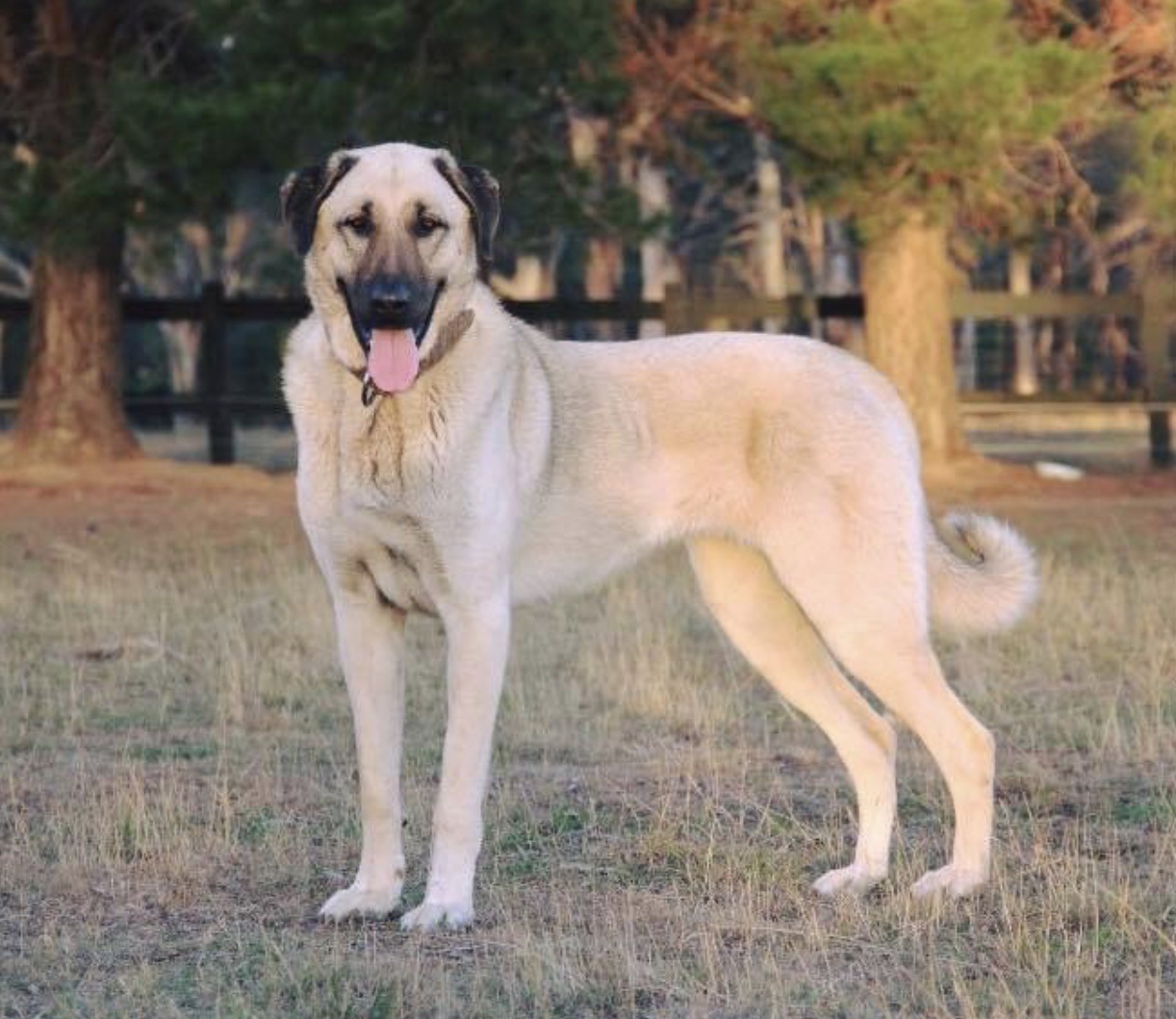
Anatolian Shepherd Dog
Large, rugged livestock guardian breed from Turkey. AKC Working Group. Territorial, intelligent, and fiercely protective of its flock or family.
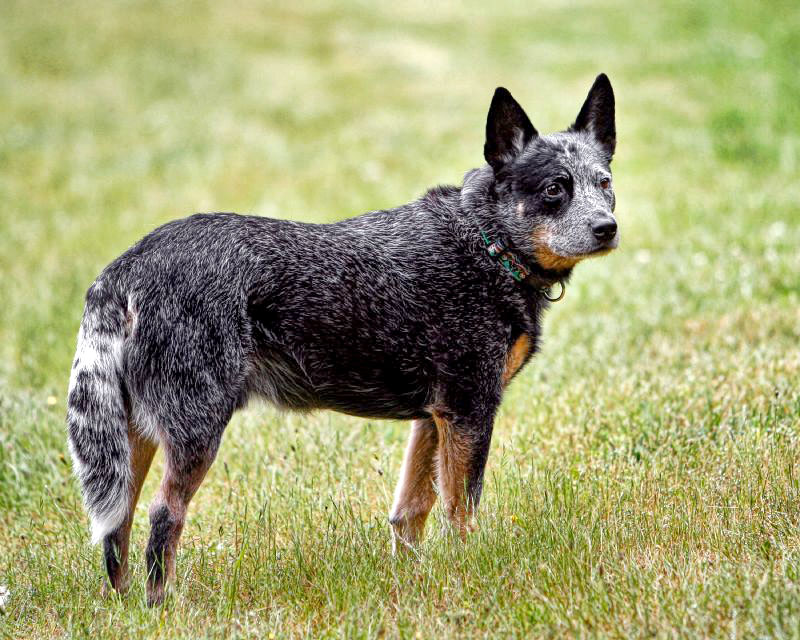
Australian Cattle Dog
Sturdy, compact herding breed developed for driving cattle over long distances. AKC Herding Group. Extremely intelligent, energetic, and loyal.
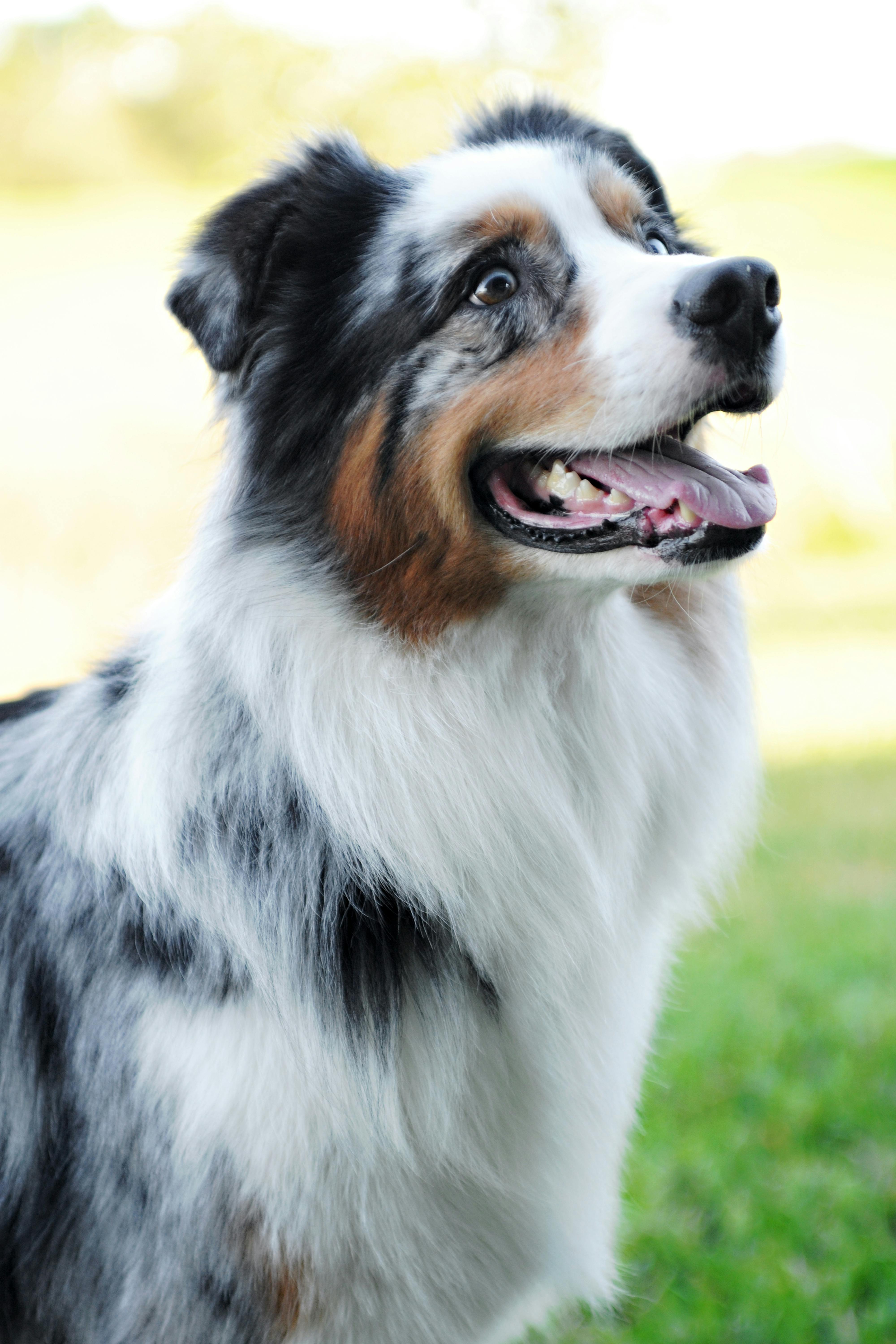
Australian Shepherd
Versatile, intelligent herding breed developed on American ranches. AKC Herding Group. Highly trainable and energetic with a strong work ethic.
Australian Terrier
Small, sturdy working terrier developed in Australia for pest control. AKC Terrier Group. Spirited, courageous, and affectionate.
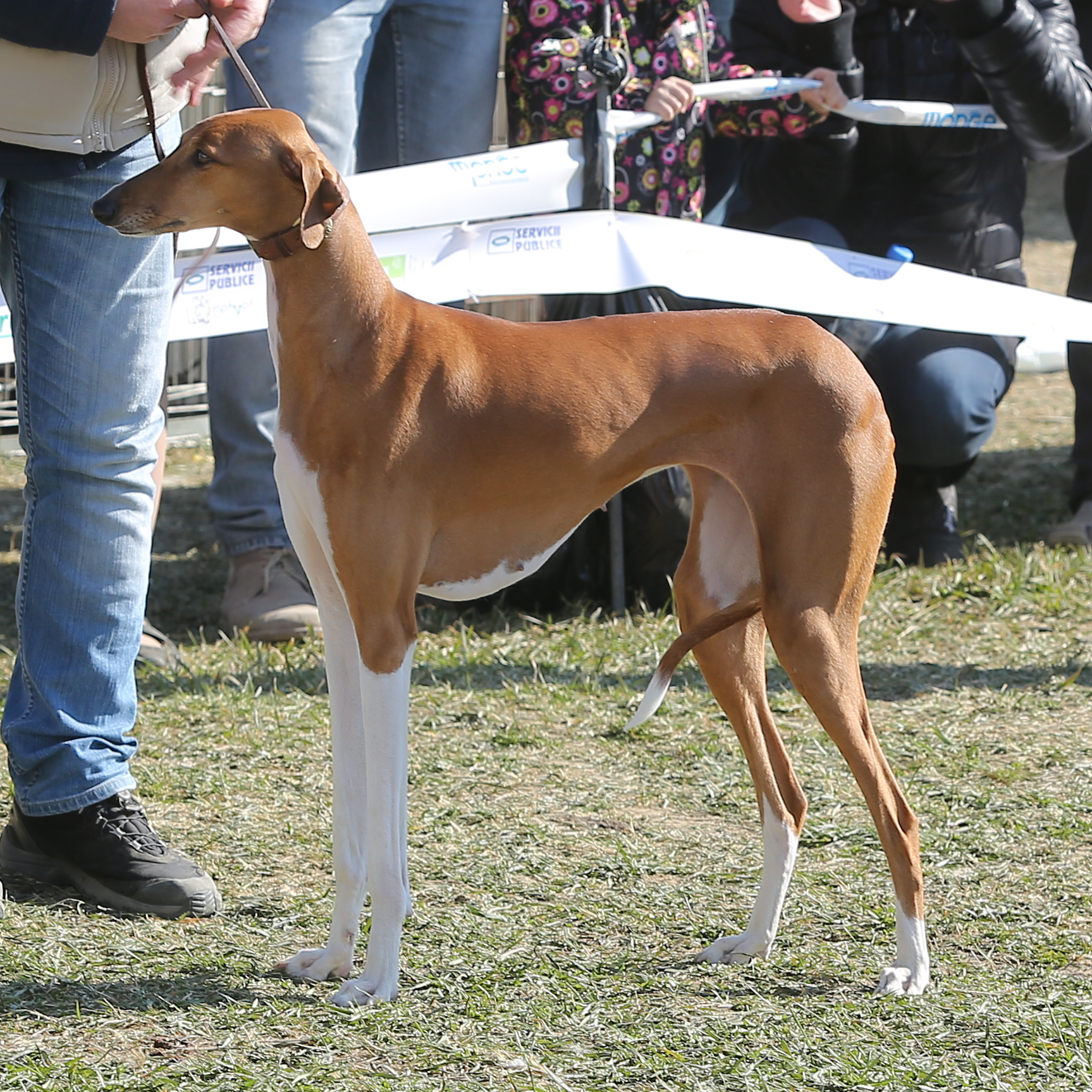
Azawakh
Tall, slender West African sighthound bred by nomadic Tuareg people. AKC Hound Group. Fiercely loyal and deeply bonded to its family.
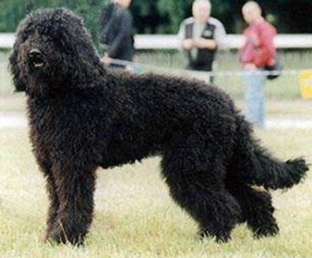
Barbet
Medium-sized French water dog with a dense, curly coat. AKC Sporting Group. Agile swimmer and loyal companion with a cheerful disposition.
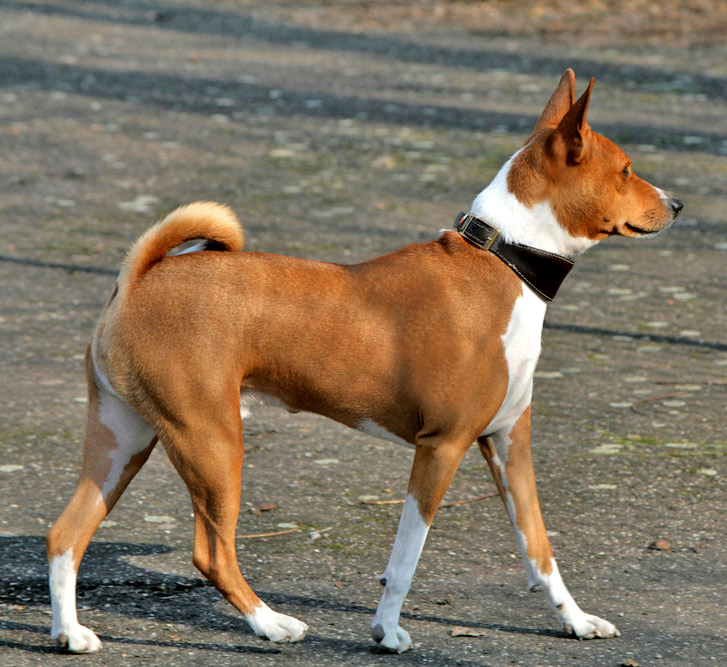
Basenji
Small, elegant African breed known as the "barkless dog" for its unique yodel-like vocalization. AKC Hound Group. Independent and cat-like in temperament.
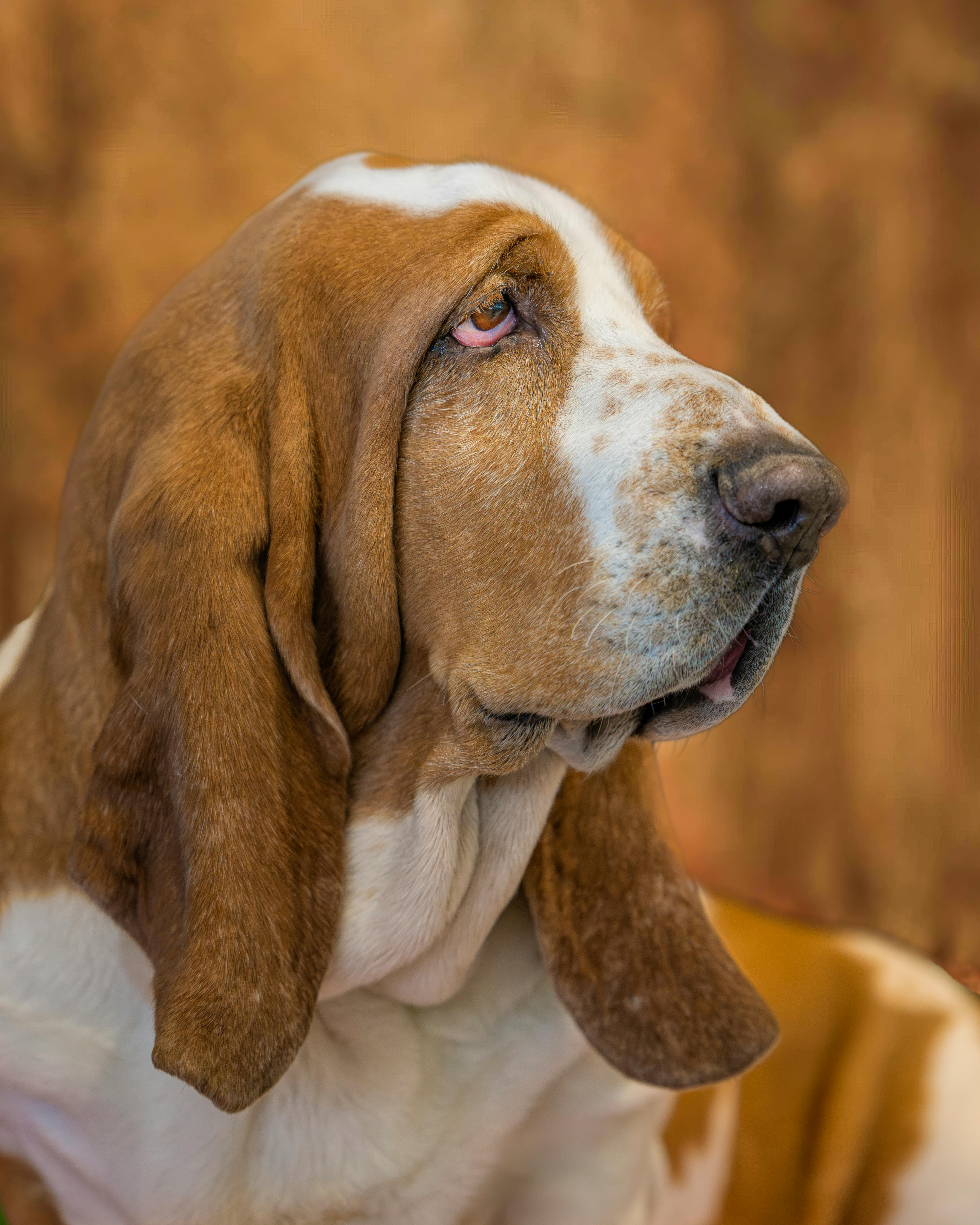
Basset Hound
Low-slung, heavy-boned scent hound with long ears and a gentle disposition. AKC Hound Group. Exceptional nose, second only to the Bloodhound.
Beagle
Small, sturdy scent hound with a merry temperament and excellent nose. AKC Hound Group. Popular family dog and skilled rabbit hunter.
Bearded Collie
Medium-sized, shaggy herding breed from Scotland. AKC Herding Group. Bouncy, charismatic, and hardy with a distinctive flowing coat.
Beauceron
Large, powerful French herding breed with a sleek black and tan coat. AKC Herding Group. Intelligent, loyal, and versatile working dog with double dewclaws on the rear legs.
Bedlington Terrier
Graceful, lamb-like terrier with a distinctive curly coat and arched back. AKC Terrier Group. Gentle and charming but energetic and surprisingly fast.
Belgian Laekenois
Medium to large Belgian herding breed with a rough, tousled fawn coat. AKC Herding Group. Rarest of the four Belgian shepherd varieties, alert and protective.
Belgian Malinois
Athletic, intense herding breed widely used in police and military work. AKC Herding Group. Highly trainable with exceptional drive and endurance.
Belgian Sheepdog
Elegant, black-coated Belgian herding breed also known as the Groenendael. AKC Herding Group. Versatile, intelligent, and devoted to its handler.
Belgian Tervuren
Elegant Belgian herding breed with a rich fawn to mahogany double coat. AKC Herding Group. Highly trainable, energetic, and attentive.
Bergamasco Sheepdog
Italian herding breed distinguished by its unique matted, felt-like coat. AKC Herding Group. Patient, intelligent, and a natural problem solver.
Berger Picard
Medium-sized, rustic French herding breed with a wiry coat and expressive face. AKC Herding Group. Loyal, good-natured, and observant.
Bernese Mountain Dog
Large, sturdy tri-colored breed from the Swiss Alps. AKC Working Group. Known for a calm, affectionate temperament and striking black, white, and rust coat.
Bichon Frise
Small, cheerful companion breed with a white powder-puff coat. AKC Non-Sporting Group. Playful, curious, and hypoallergenic.
Biewer Terrier
Small, elegant toy terrier with a long, flowing tri-colored coat. AKC Toy Group. Lighthearted, whimsical, and devoted companion.
Black and Tan Coonhound
Large, powerful scent hound bred for trailing raccoons and big game. AKC Hound Group. Distinguished by its black and tan coloring and long ears.
Black Russian Terrier
Large, powerful breed developed by the Soviet military for guard and patrol work. AKC Working Group. Confident, calm, and courageous despite its terrier name.
Bloodhound
Large scent hound with the most powerful nose of any breed. AKC Hound Group. Trailing results are admissible as evidence in court.
Bluetick Coonhound
Muscular coonhound known for its dark blue, mottled coat pattern. AKC Hound Group. Cold-nosed trailer with a distinctive bawl and chop bark.
Boerboel
Large, muscular South African mastiff bred for farm protection. AKC Working Group. Confident, territorial, and devoted to family.
Border Collie
Medium-sized herding breed often considered the most intelligent of all dog breeds. AKC Herding Group. Unmatched work ethic and herding instinct.
Border Terrier
Small, agile terrier bred for fox hunting in the border region of England and Scotland. AKC Terrier Group. Good-tempered, affectionate, and easy to train.
Borzoi
Tall, graceful Russian sighthound with a long, silky coat. AKC Hound Group. Calm and dignified at home, swift and athletic in pursuit.
Boston Terrier
Compact, well-balanced companion breed with a tuxedo-like black and white coat. AKC Non-Sporting Group. Known as "The American Gentleman."
Bouvier des Flandres
Large, powerful Belgian herding and draft breed with a rough, tousled coat. AKC Herding Group. Calm, rational, and deeply protective.
Boxer
Medium to large working breed with a square jaw and muscular build. AKC Working Group. Playful, patient, and protective family companion.
Boykin Spaniel
Medium-sized flushing and retrieving breed developed in South Carolina. AKC Sporting Group. State dog of South Carolina, popular with hunters in the southeastern US.
Bracco Italiano
Ancient Italian pointing breed with a distinctive, noble appearance. AKC Sporting Group. Powerful and athletic with a gentle, affectionate temperament.
Briard
Large French herding breed with a long, flowing coat and confident demeanor. AKC Herding Group. Faithful, brave, and spirited with a strong herding instinct.
Brittany
Versatile pointing breed known for high energy and eagerness to please. AKC Sporting Group. Excels in both field trials and as a family companion.
Brussels Griffon
Small, sturdy toy breed with an expressive, almost human-like face. AKC Toy Group. Comes in rough and smooth coat varieties. Alert, curious, and loyal.
Bull Terrier
Muscular, strongly built terrier with a distinctive egg-shaped head. AKC Terrier Group. Playful, charming, and mischievous with a unique appearance.
Bulldog
Sturdy, low-slung companion breed with a wrinkled face and distinctive pushed-in nose. AKC Non-Sporting Group. Also known as the English Bulldog. Calm, courageous, and friendly.
Bullmastiff
Large, powerful guardian breed developed by crossing Bulldogs with Mastiffs. AKC Working Group. Fearless and confident, yet docile and affectionate with family.
Cairn Terrier
Small, hardy Scottish terrier, one of the oldest terrier breeds. AKC Terrier Group. Cheerful and inquisitive, made famous as Toto in The Wizard of Oz.
Canaan Dog
Medium-sized, natural breed and the national dog of Israel. AKC Herding Group. Alert, vigilant, and highly territorial with a confident nature.
Cane Corso
Large Italian mastiff-type breed bred for guarding and protection. AKC Working Group. Intelligent, loyal, and imposing with a strong protective instinct.
Cardigan Welsh Corgi
Low-set, long-bodied herding breed with a full-length tail, distinguishing it from the Pembroke. AKC Herding Group. One of the oldest breeds from the British Isles, versatile and loyal.
Cavalier King Charles Spaniel
Gentle, affectionate toy spaniel with a silky coat and expressive eyes. AKC Toy Group. Adaptable and eager to please, thriving equally as a lap dog or active companion.
Cesky Terrier
Small, muscular terrier developed in the Czech Republic for hunting in forests. AKC Terrier Group. Calm, friendly, and less aggressive than many terrier breeds.
Chesapeake Bay Retriever
Tough, waterproof retriever bred for the icy waters of the Chesapeake Bay. AKC Sporting Group. Known for a distinctive wavy coat and strong retrieving instinct.
Chihuahua
Smallest recognized dog breed, known for a big personality in a tiny frame. AKC Toy Group. Comes in smooth and long coat varieties.
Chinese Crested
Small, fine-boned toy breed available in Hairless and Powderpuff varieties. AKC Toy Group. Playful, affectionate, and devoted to its owner.
Chinese Shar-Pei
Medium-sized, distinctive breed with deep wrinkles and a blue-black tongue. AKC Non-Sporting Group. Loyal, independent, and calm with an ancient Chinese heritage.
Chinook
Rare American sled dog breed developed in New Hampshire. AKC Working Group. State dog of New Hampshire, friendly and eager to work.
Chow Chow
Medium to large Spitz-type breed with a lion-like mane and blue-black tongue. AKC Non-Sporting Group. Dignified, serious, and deeply loyal to its owner.
Cirneco dell'Etna
Small, sleek Sicilian sighthound adapted to hunting on the rocky terrain of Mount Etna. AKC Hound Group. Independent, gentle, and low-maintenance.
Clumber Spaniel
Heaviest of the sporting spaniels with a calm, steady demeanor. AKC Sporting Group. Methodical hunter that works at a slower pace than other spaniels.
Cocker Spaniel
Compact sporting breed with a silky coat and cheerful temperament. AKC Sporting Group. Smallest of the sporting spaniels.
Collie
Graceful, devoted herding breed known for its loyalty and beauty. AKC Herding Group. Comes in Rough and Smooth coat varieties. Famously associated with the character Lassie.
Coton de Tulear
Small, cotton-coated companion breed from Madagascar. AKC Non-Sporting Group. Bright, happy, and adaptable with a clownish personality.
Curly-Coated Retriever
Tall, elegant retriever distinguished by a coat of tight, crisp curls. AKC Sporting Group. One of the oldest retriever breeds, confident and independent.
Dachshund
Low-bodied, long-backed hound originally bred for badger hunting. AKC Hound Group. Comes in two sizes (Standard and Miniature) and three coat types (Smooth, Wirehaired, Longhaired).
Dalmatian
Medium-sized, athletic breed distinguished by its unique spotted coat. AKC Non-Sporting Group. Historically associated with firehouse mascots and carriage dogs.
Dandie Dinmont Terrier
Small, distinctive terrier with a long body, short legs, and a silky "top-knot." AKC Terrier Group. Named after a character in a Sir Walter Scott novel.
Doberman Pinscher
Elegant working breed known for intelligence and loyalty. Sleek, powerful build.
Dogo Argentino
Large, white, muscular breed developed in Argentina for big-game hunting. AKC Working Group. Courageous and athletic with a strong prey drive.
Dutch Shepherd
Medium to large, versatile herding breed from the Netherlands. UKC recognized. Athletic, intelligent, and reliable working dog in both herding and protection roles.
English Cocker Spaniel
Compact, merry sporting breed distinct from the American Cocker Spaniel. AKC Sporting Group. Energetic and affectionate with a silky, medium-length coat.
English Foxhound
Athletic, pack-oriented hound developed for traditional fox hunting in England. AKC Hound Group. One of the rarest breeds in the US.
English Setter
Elegant, athletic setter known for its speckled "Belton" coat pattern. AKC Sporting Group. Gentle temperament and strong field instincts.
English Springer Spaniel
Medium-sized flushing breed with a friendly, eager-to-please nature. AKC Sporting Group. Versatile hunter and popular companion.
English Toy Spaniel
Compact, cobby toy spaniel with a domed head and gentle expression. AKC Toy Group. Quiet, gentle, and a devoted lap dog.
Entlebucher Mountain Dog
Smallest of the four Swiss mountain dog breeds. AKC Herding Group. Energetic, enthusiastic, and devoted with a striking tri-colored coat.
Exotic Bully
Compact, heavily built companion breed derived from the American Bully. Recognized by ABKC. Distinguished by exaggerated features and a shorter, thicker build than the standard American Bully.
Field Spaniel
Medium-sized sporting breed with a glossy, single coat and noble bearing. AKC Sporting Group. Docile and sensitive, well-suited for both field work and family life.
Finnish Lapphund
Medium-sized Spitz-type herding breed used for reindeer herding in Lapland. AKC Herding Group. Friendly, calm, and eager to learn.
Finnish Spitz
Medium-sized, fox-like national dog of Finland. AKC Non-Sporting Group. Bred for bark-pointing at game birds, lively and friendly.
Flat-Coated Retriever
Sleek, athletic retriever known for an optimistic, youthful attitude. AKC Sporting Group. Versatile in the field and cheerful at home.
French Bulldog
Compact, muscular companion breed. Known for bat ears and flat face. Popular in urban environments.
German Pinscher
Medium-sized, elegant working breed and ancestor of the Doberman and Miniature Pinscher. AKC Working Group. Intelligent, vivacious, and determined.
German Shepherd
Versatile working breed used in police, military, and service roles. Strong, agile, and highly trainable.
German Shorthaired Pointer
Versatile pointing breed built for power and endurance in the field. AKC Sporting Group. Equally capable as a hunter and active family companion.
German Wirehaired Pointer
Sturdy, wire-coated pointing breed developed for all-terrain hunting. AKC Sporting Group. Weather-resistant coat and strong retrieving drive.
Giant Schnauzer
Large, powerful, and compact working breed with a dense, wiry coat. AKC Working Group. Bold and valiant, used in police and military roles.
Glen of Imaal Terrier
Medium-sized, sturdy Irish terrier bred for hunting and farm work. AKC Terrier Group. Less excitable than most terriers, brave and loyal.
Golden Retriever
Intelligent, friendly, and devoted sporting dog. Popular family companion and service animal.
Gordon Setter
Largest of the setter breeds, distinguished by a black and tan coat. AKC Sporting Group. Loyal, confident bird dog with good stamina.
Grand Basset Griffon Vendeen
Medium-sized French hound with a rough coat and outgoing personality. AKC Hound Group. Bred for hunting hare in the Vendee region of France.
Great Dane
One of the tallest dog breeds, combining elegance with a powerful build. AKC Working Group. Gentle giant known for a friendly and dependable temperament.
Great Pyrenees
Large, majestic livestock guardian with a thick white coat. AKC Working Group. Patient, calm, and instinctively protective of its charges.
Greater Swiss Mountain Dog
Large, sturdy tri-colored breed and the oldest of the four Swiss mountain dog breeds. AKC Working Group. Dependable, faithful, and versatile draft dog.
Greyhound
Tall, aerodynamic sighthound and one of the fastest land animals. AKC Hound Group. Gentle, noble, and surprisingly calm in the home.
Harrier
Medium-sized, sturdy pack hound resembling a larger Beagle. AKC Hound Group. Bred for hunting hare, outgoing and friendly.
Havanese
Small, sturdy toy breed and the national dog of Cuba. AKC Toy Group. Cheerful, outgoing companion with a long, silky coat.
Ibizan Hound
Tall, lean sighthound with large, upright ears and a deer-like elegance. AKC Hound Group. Ancient breed from the Spanish island of Ibiza.
Icelandic Sheepdog
Medium-sized Nordic Spitz-type and Iceland's only native dog breed. AKC Herding Group. Cheerful, friendly, and an enthusiastic herder.
Irish Red and White Setter
Athletic setter with a distinctive red and white particolor coat. AKC Sporting Group. Predecessor of the solid-red Irish Setter, prized for field work.
Irish Setter
Striking red-coated sporting breed known for grace and athleticism. AKC Sporting Group. Outgoing and active with a strong hunting instinct.
Irish Terrier
Medium-sized, wiry-coated terrier known for courage and a fiery red coat. AKC Terrier Group. One of the oldest terrier breeds, bold and adaptable.
Irish Water Spaniel
Tallest of the spaniel breeds with a distinctive curly, liver-colored coat and rat tail. AKC Sporting Group. Strong swimmer and dedicated retriever.
Irish Wolfhound
Tallest of all dog breeds, originally bred for wolf hunting in Ireland. AKC Hound Group. Gentle, dignified, and courageous despite its imposing size.
Italian Greyhound
Miniature sighthound with a slender, graceful build. AKC Toy Group. Affectionate, playful, and alert, combining elegance with a loving temperament.
Japanese Chin
Small, elegant toy breed with a distinctive flat face and profuse coat. AKC Toy Group. Cat-like in temperament, graceful and aristocratic.
Keeshond
Medium-sized Spitz-type breed with a plush silver and black coat and distinctive "spectacles." AKC Non-Sporting Group. Outgoing, affectionate, and eager to please.
Kerry Blue Terrier
Medium-sized Irish terrier with a distinctive soft, wavy blue-gray coat. AKC Terrier Group. Versatile farm dog, spirited and people-oriented.
Komondor
Large Hungarian livestock guardian distinguished by its white, corded coat. AKC Working Group. Fiercely protective, calm, and independent.
Kuvasz
Large, white Hungarian livestock guardian breed. AKC Working Group. Loyal, patient, and protective with a strong independent streak.
Labrador Retriever
America's most popular breed. Friendly, outgoing, and active. Excellent family and sporting dog.
Lagotto Romagnolo
Italian water retriever breed now renowned as the world's foremost truffle-hunting dog. AKC Sporting Group. Dense, curly, hypoallergenic coat.
Lakeland Terrier
Small, sturdy terrier from the Lake District of England. AKC Terrier Group. Bold, friendly, and confident with a dense, wiry coat.
Leonberger
Giant, lion-like breed from Germany with a lush double coat. AKC Working Group. Gentle, friendly, and playful despite its imposing size.
Lhasa Apso
Small, hardy breed originally bred as a sentinel in Tibetan monasteries. AKC Non-Sporting Group. Confident, aloof with strangers, and loyal to family.
Lowchen
Small, lively companion breed often shown in a lion trim. AKC Non-Sporting Group. Affectionate, outgoing, and one of the rarest breeds.
Maltese
Ancient toy breed with a long, flowing white coat and gentle temperament. AKC Toy Group. Charming, playful, and adaptable companion.
Manchester Terrier
Sleek, elegant terrier developed in Manchester, England for rat catching. AKC Terrier Group. Comes in Standard and Toy varieties. Spirited and athletic.
Mastiff
Massive, heavy-boned breed and one of the largest dog breeds by weight. AKC Working Group. Also known as the English Mastiff. Calm, dignified, and courageous.
Miniature American Shepherd
Small herding breed closely related to the Australian Shepherd. AKC Herding Group. Intelligent, versatile, and well-suited to active families.
Miniature Bull Terrier
Smaller version of the Bull Terrier with the same distinctive egg-shaped head. AKC Terrier Group. Playful, clownish, and full of energy.
Miniature Pinscher
Small, spirited toy breed known as the "King of Toys." AKC Toy Group. Fearless, energetic, and proud with a distinctive high-stepping gait.
Miniature Schnauzer
Small, sturdy terrier with a distinctive bearded face and wiry coat. AKC Terrier Group. Alert, spirited, and one of the most popular terrier breeds.
Mountain Cur
Rugged, versatile treeing and hunting breed developed in the Appalachian region. UKC recognized. Valued by squirrel and raccoon hunters for its courage, speed, and treeing instinct.
Mudi
Medium-sized, versatile Hungarian herding breed with a wavy or curly coat. AKC Herding Group. Agile, courageous, and adaptable farm dog.
Neapolitan Mastiff
Massive Italian guardian breed with distinctive loose, wrinkled skin. AKC Working Group. Loyal and watchful protector, steady and calm at home.
Nederlandse Kooikerhondje
Small, cheerful Dutch sporting breed originally used to lure ducks into traps. AKC Sporting Group. Agile and alert with a distinctive orange-red and white coat.
Newfoundland
Giant working breed known for swimming ability and water rescue instincts. AKC Working Group. Sweet-tempered and patient, especially with children.
Norfolk Terrier
Small, sturdy terrier distinguished by drop ears. AKC Terrier Group. Fearless but lovable, one of the smallest working terriers.
Norwegian Buhund
Medium-sized Norwegian Spitz-type herding breed. AKC Herding Group. Energetic, cheerful, and an alert watchdog.
Norwegian Elkhound
Sturdy, silver-gray Spitz-type hound bred for tracking moose in Scandinavia. AKC Hound Group. Bold, hardy, and loyal with a strong protective instinct.
Norwegian Lundehund
Small, Spitz-type breed with unique anatomical features including six toes on each foot. AKC Non-Sporting Group. Originally bred for puffin hunting on Norwegian cliffs.
Norwich Terrier
Small, prick-eared terrier closely related to the Norfolk Terrier. AKC Terrier Group. Hardy, happy, and eager to please.
Nova Scotia Duck Tolling Retriever
Medium-sized retriever that lures waterfowl by playful "tolling" action at the water's edge. AKC Sporting Group. Smallest of the retrievers, intelligent and energetic.
Old English Sheepdog
Large, shaggy herding breed with a distinctive bear-like shuffle. AKC Herding Group. Adaptable, gentle, and intelligent with a clownish personality.
Olde English Bulldogge
Athletic, medium-large bulldog-type breed developed to recreate the healthier, more active bulldog of earlier centuries. UKC recognized. Muscular and agile with fewer breathing issues than the modern Bulldog.
Otterhound
Large, shaggy-coated scent hound originally bred for otter hunting in England. AKC Hound Group. One of the most endangered dog breeds, friendly and boisterous.
Papillon
Small, elegant toy breed distinguished by its large, butterfly-like ears. AKC Toy Group. Highly intelligent and athletic for its size, excelling in obedience and agility.
Parson Russell Terrier
Medium-sized, athletic terrier bred for fox hunting. AKC Terrier Group. Bold, clever, and energetic with a strong prey drive.
Pekingese
Compact, dignified toy breed originally bred for Chinese royalty. AKC Toy Group. Regal bearing and a loyal, affectionate nature with a rolling gait.
Pembroke Welsh Corgi
Low-set, sturdy herding breed originally used for cattle driving in Wales. AKC Herding Group. Bold, friendly, and surprisingly athletic for its size.
Petit Basset Griffon Vendeen
Small, vivacious French hound with a rough coat and cheerful temperament. AKC Hound Group. Bred for rabbit hunting, bold and extroverted.
Pharaoh Hound
Elegant, athletic sighthound and the national dog of Malta. AKC Hound Group. Notable for "blushing," where the nose and ears turn deep rose when excited.
Plott Hound
Brindle-coated scenthound developed in the Appalachian Mountains for bear and boar hunting. AKC Hound Group. State dog of North Carolina.
Pointer
Classic pointing breed built for speed and agility in the field. AKC Sporting Group. Also known as the English Pointer. One of the oldest sporting breeds.
Polish Lowland Sheepdog
Medium-sized, compact herding breed with a long, dense coat. AKC Herding Group. Confident, clever, and lively with a strong memory.
Pomeranian
Tiny, fox-faced Spitz breed with a profuse double coat and bold personality. AKC Toy Group. Active, intelligent, and spirited despite its small size.
Poodle
Highly intelligent, athletic breed excelling in many roles from show ring to field. AKC Non-Sporting Group. Comes in three varieties: Standard, Miniature, and Toy. Known for a hypoallergenic, curly coat.
Portuguese Podengo Pequeno
Small, lively Portuguese hunting hound available in smooth and wire coat types. AKC Hound Group. Agile rabbit hunter with a playful personality.
Portuguese Water Dog
Athletic, medium-sized water dog with a curly or wavy hypoallergenic coat. AKC Working Group. Intelligent and eager to please, originally bred to assist fishermen.
Presa Canario
Large, powerful mastiff-type breed from the Canary Islands. AKC FSS and UKC recognized. Confident and strong-willed guardian originally bred for working livestock.
Pug
Small, charming companion breed with a wrinkled face and curled tail. AKC Toy Group. Even-tempered and playful, bred for centuries as a lap dog.
Puli
Medium-sized Hungarian herding breed known for its distinctive corded coat. AKC Herding Group. Agile, loyal, and tireless with a springy gait.
Pumi
Medium-sized Hungarian herding breed with a curly, semi-erect-eared appearance. AKC Herding Group. Lively, expressive, and ready to work.
Pyrenean Shepherd
Small, energetic herding breed from the French Pyrenees. AKC Herding Group. Enthusiastic, mischievous, and one of the most agile herders.
Rat Terrier
Small to medium American farm and hunting terrier. AKC Terrier Group. Versatile, intelligent, and an excellent pest controller.
Redbone Coonhound
Sleek, red-coated coonhound known for its versatility and even temperament. AKC Hound Group. Equally capable on raccoon, bear, and cougar trails.
Rhodesian Ridgeback
Muscular, dignified hound distinguished by a ridge of reversed hair along the spine. AKC Hound Group. Originally bred in southern Africa to track lions.
Rottweiler
Robust, powerful working breed originally used for herding and cart-pulling. AKC Working Group. Confident, loyal guardian and versatile working dog.
Russell Terrier
Small, predominantly white terrier bred for fox bolting. AKC Terrier Group. Shorter-legged than the Parson Russell, lively and alert.
Russian Toy
Tiny, elegant toy breed available in smooth and long-haired varieties. AKC Toy Group. Cheerful, active, and devoted companion originally from Russia.
Saluki
Ancient, graceful sighthound from the Middle East, one of the oldest known dog breeds. AKC Hound Group. Reserved, gentle, and built for speed and endurance.
Samoyed
Medium to large Spitz-type breed with a thick, white double coat and signature "Sammy smile." AKC Working Group. Originally bred for herding reindeer and pulling sleds in Siberia.
Schipperke
Small, black, fox-faced breed from Belgium. AKC Non-Sporting Group. Curious, confident, and mischievous with a distinctive ruff around the neck.
Scottish Deerhound
Tall, wiry-coated sighthound bred for stalking red deer in the Scottish Highlands. AKC Hound Group. Dignified, gentle, and polite.
Scottish Terrier
Small, compact terrier with a distinctive profile and wiry coat. AKC Terrier Group. Independent, confident, and spirited, sometimes called the "Scottie."
Sealyham Terrier
Small, sturdy Welsh terrier bred for hunting badger and otter. AKC Terrier Group. Outgoing, adaptable, and charming with a weatherproof coat.
Shetland Sheepdog
Small, agile herding breed resembling a miniature Collie. AKC Herding Group. Intelligent, eager to please, and excels in obedience and agility.
Shiba Inu
Small, agile Japanese breed with a fox-like face and spirited personality. AKC Non-Sporting Group. Alert, confident, and independent with a loyal nature.
Shih Tzu
Small, sturdy toy breed with a luxurious double coat and friendly disposition. AKC Toy Group. Originally bred as a palace companion in China.
Shorty Bull
Compact, muscular companion breed developed as a shorter bulldog-type dog with an athletic build. Recognized by several bully breed registries. Friendly and easy-going despite its stocky appearance.
Siberian Husky
Medium-sized working sled dog bred for endurance in harsh Arctic conditions. AKC Working Group. Known for striking blue or multi-colored eyes and a friendly temperament.
Silky Terrier
Small, elegant Australian toy breed with a fine, silky blue-and-tan coat. AKC Toy Group. Spirited, alert, and more terrier-like in temperament than its size suggests.
Skye Terrier
Long, low terrier from the Isle of Skye with a flowing double coat. AKC Terrier Group. Loyal and devoted, one of the most endangered native British breeds.
Sloughi
Lean, swift North African sighthound with a smooth, short coat. AKC Hound Group. Reserved with strangers but loyal and affectionate with family.
Smooth Fox Terrier
Elegant, athletic terrier with a smooth, flat coat. AKC Terrier Group. Energetic, playful, and fearless. One of the oldest terrier breeds.
Soft Coated Wheaten Terrier
Medium-sized Irish terrier with a soft, silky, wheat-colored coat. AKC Terrier Group. Happy, friendly temperament that is less aggressive than many terrier breeds.
Spanish Water Dog
Medium-sized, rustic breed with a distinctive curly, woolly coat. AKC Herding Group. Versatile worker used for herding, water retrieval, and guarding.
Spinone Italiano
Large, rugged Italian pointing breed with a wiry coat and gentle expression. AKC Sporting Group. Patient, sociable, and versatile in the field.
St. Bernard
Giant, gentle breed historically used for Alpine rescue in the Swiss Alps. AKC Working Group. Patient, calm, and excellent with families.
Staffordshire Bull Terrier
Compact, muscular terrier originating from England. AKC Terrier Group. Courageous and tenacious but also affectionate and especially gentle with children.
Standard Schnauzer
Medium-sized, robust working breed and the original Schnauzer. AKC Working Group. Spirited, reliable, and highly trainable.
Sussex Spaniel
Low-bodied, compact spaniel with a rich golden-liver coat. AKC Sporting Group. Calm and steady worker with a distinctive rolling gait.
Swedish Vallhund
Low-set, sturdy Viking-era herding breed. AKC Herding Group. Energetic, watchful, and cheerful with a wolf-like appearance.
Tibetan Mastiff
Large, ancient guardian breed from the Himalayan region. AKC Working Group. Independent, reserved, and imposing with a thick, lion-like mane.
Tibetan Spaniel
Small, assertive breed originally bred as a monastery sentinel in Tibet. AKC Non-Sporting Group. Intelligent, playful, and keenly watchful.
Tibetan Terrier
Medium-sized Tibetan breed with a profuse double coat and snowshoe feet. AKC Non-Sporting Group. Affectionate, sensitive, and adaptable despite its terrier name.
Toy Fox Terrier
Small, athletic toy breed developed in the United States from Smooth Fox Terriers. AKC Toy Group. Intelligent, entertaining, and loyal companion.
Treeing Walker Coonhound
Fast, hot-nosed coonhound descended from the Walker Foxhound. AKC Hound Group. Popular competition and hunting hound known for its speed and treeing ability.
Vizsla
Lean, athletic Hungarian pointing breed with a distinctive golden-rust coat. AKC Sporting Group. Known for close bonding with its owner and versatility in the field.
Weimaraner
Sleek, silver-gray sporting breed originally bred for big game hunting. AKC Sporting Group. Highly energetic and intelligent with a distinctive appearance.
Welsh Springer Spaniel
Medium-sized, red and white sporting breed from Wales. AKC Sporting Group. Loyal and affectionate with strong hunting instincts and good stamina.
Welsh Terrier
Compact, sturdy terrier resembling a miniature Airedale. AKC Terrier Group. Friendly, spirited, and one of the oldest existing terrier breeds.
West Highland White Terrier
Small, confident white terrier from Scotland. AKC Terrier Group. Sturdy, spirited, and self-assured with a distinctive bright white coat.
Whippet
Medium-sized sighthound that combines elegance with athletic ability. AKC Hound Group. Gentle and quiet indoors, fast and driven in the field.
Wire Fox Terrier
Alert, quick terrier with a dense, wiry coat. AKC Terrier Group. Confident and energetic, the most decorated breed in Westminster history.
Wirehaired Pointing Griffon
Rugged, versatile gun dog with a harsh, low-shedding coat. AKC Sporting Group. Known as the "supreme gundog" for its ability to point and retrieve on land and water.
Xoloitzcuintli
Ancient Mexican breed available in Hairless and Coated varieties and three sizes (Toy, Miniature, Standard). AKC Non-Sporting Group. Calm, loyal, and alert.
Yorkshire Terrier
Tiny but spirited toy breed with a long, silky blue-and-tan coat. AKC Toy Group. Bold and confident, popular as a companion in urban settings.
Breed Dog?
Track your animals, genetics, and pedigrees on Breed Ledger. Free to start.
Get started free