American Bully
Canis lupus familiaris
The American Bully is a modern bull-breed companion dog created in the mid-1990s by crossing American Pit Bull Terriers and American Staffordshire Terriers with other bull and molosser breeds, recognized by the ABKC in 2004, the EBKC in 2008, and the UKC in 2013.
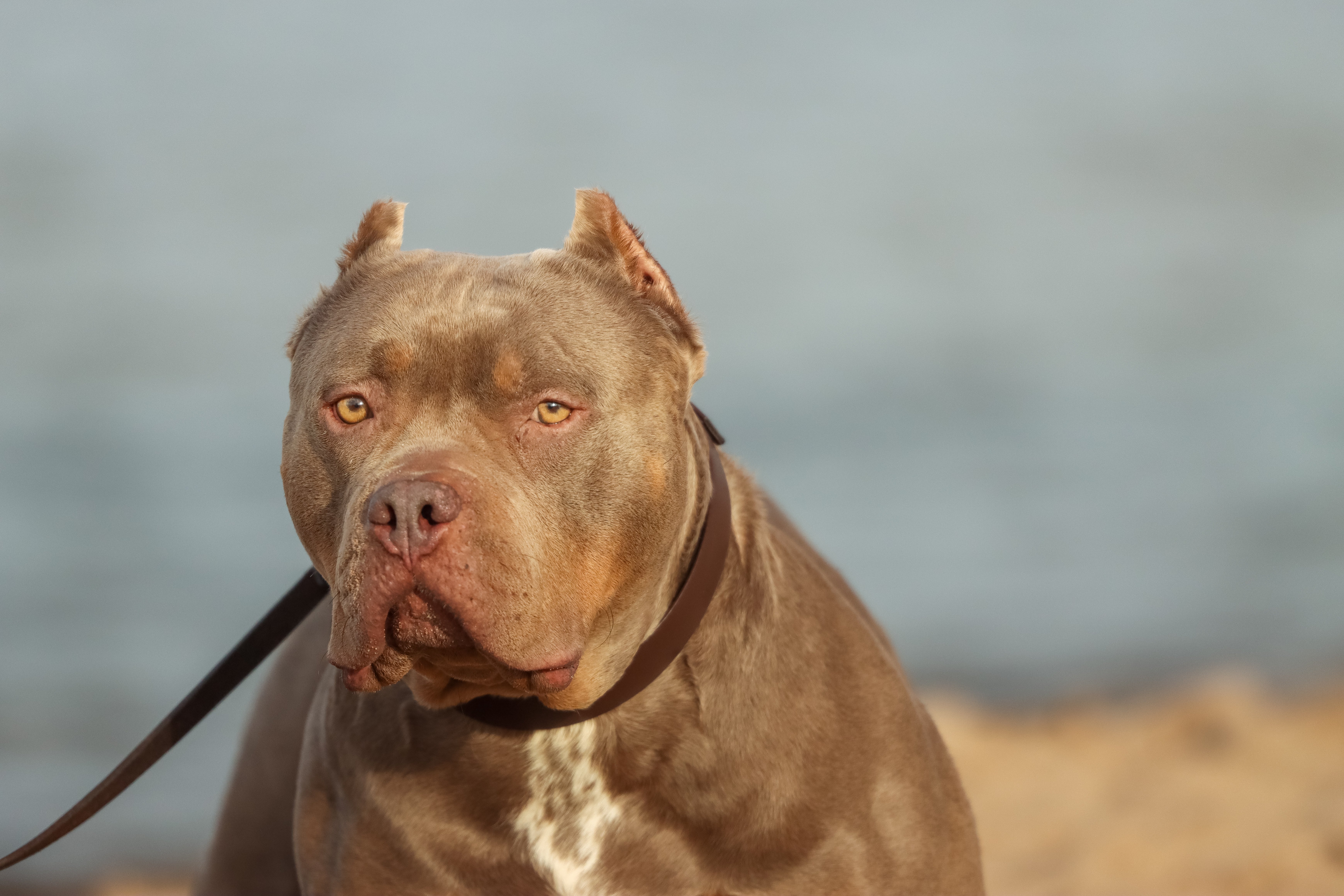
The shape of the breed,
in plain English.
American Bully has
6 recognized variants.
Pick a variant to focus the page on its data. The URL updates so you can share or bookmark a specific variant.
Recognition matrix
across 3 registries.
Each named look is graded per registry. Standard means it appears in the breed standard. Disqualifying means an animal showing it cannot place in conformation.
| Named look | UKCUnited Kennel Club | ABKCAmerican Bully Kennel Club | EBKCEuropean Bully Kennel Club |
|---|---|---|---|
Blue | Accepted | Standard | Standard |
Chocolate | Accepted | Standard | Standard |
Fawn | Accepted | Standard | Standard |
Blue Brindle | Accepted | Standard | Accepted |
Champagne | Accepted | Standard | Accepted |
Blue Fawn | Accepted | Standard | Standard |
Brindle | Standard | Standard | Standard |
Tri-Color | Accepted | Accepted | Accepted |
Merle | Disqualifying | Accepted | Disqualifying |
Lilac | Accepted | Standard | Standard |
Albinism | Disqualifying | Disqualifying | Disqualifying |
Official breed clubs
for American Bully.
Parent clubs and official breed organizations help buyers verify registry context before contacting a breeder.
Owner-experience
across 14 dimensions.
Each bar is a 1 to 5 score from breed-knowledgeable owners. Read the bar labels for the trade-off the dimension captures.
Temperament
Coat and maintenance
Activity
Behavior
Heritable traits
in American Bully.
Each row is one heritable trait. The frequency label tells you how often it appears across the breed.
Breeds related to
the American Bully.
Variants and lineage neighbors buyers often weigh side by side. Each links to its own breed guide.
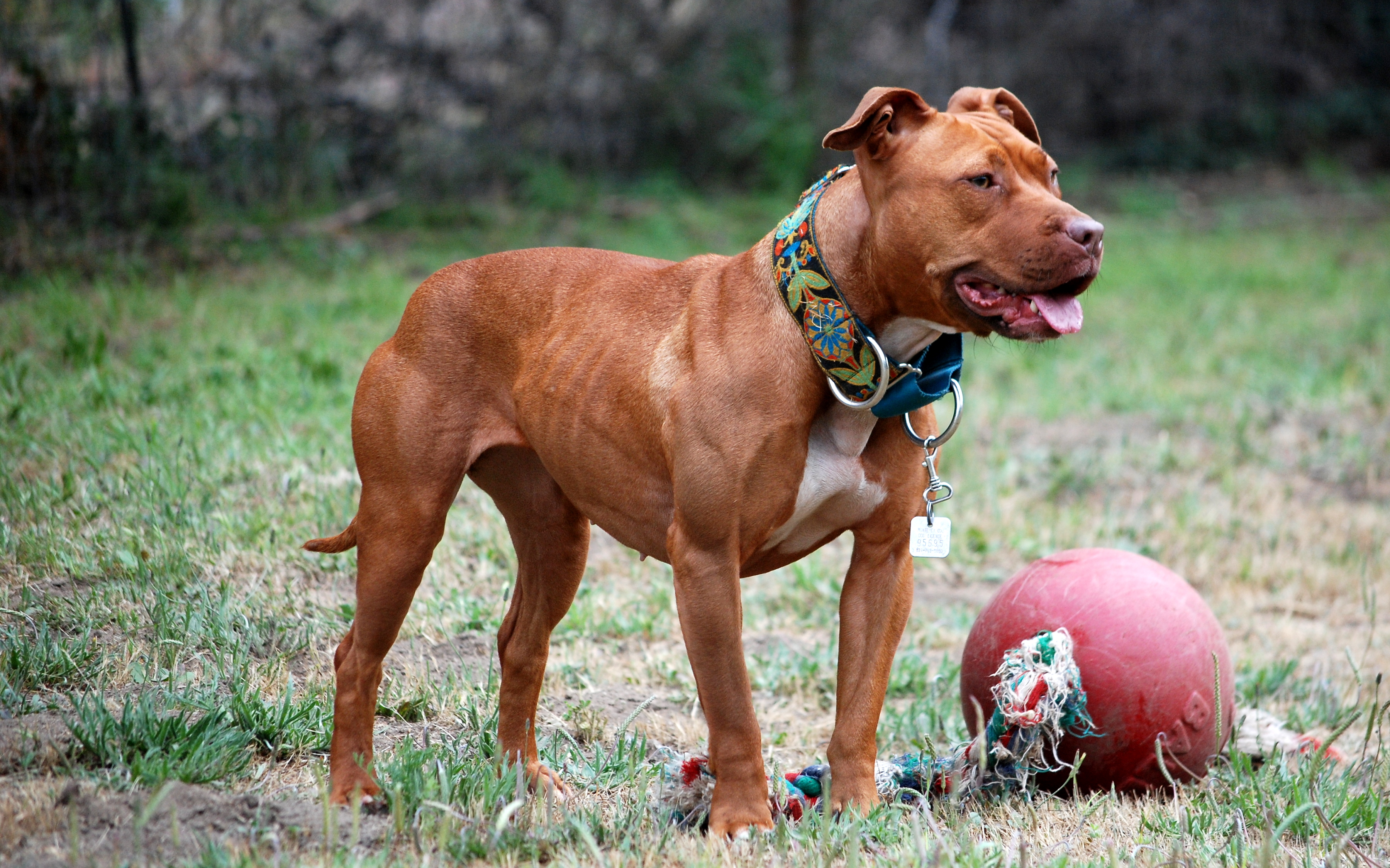
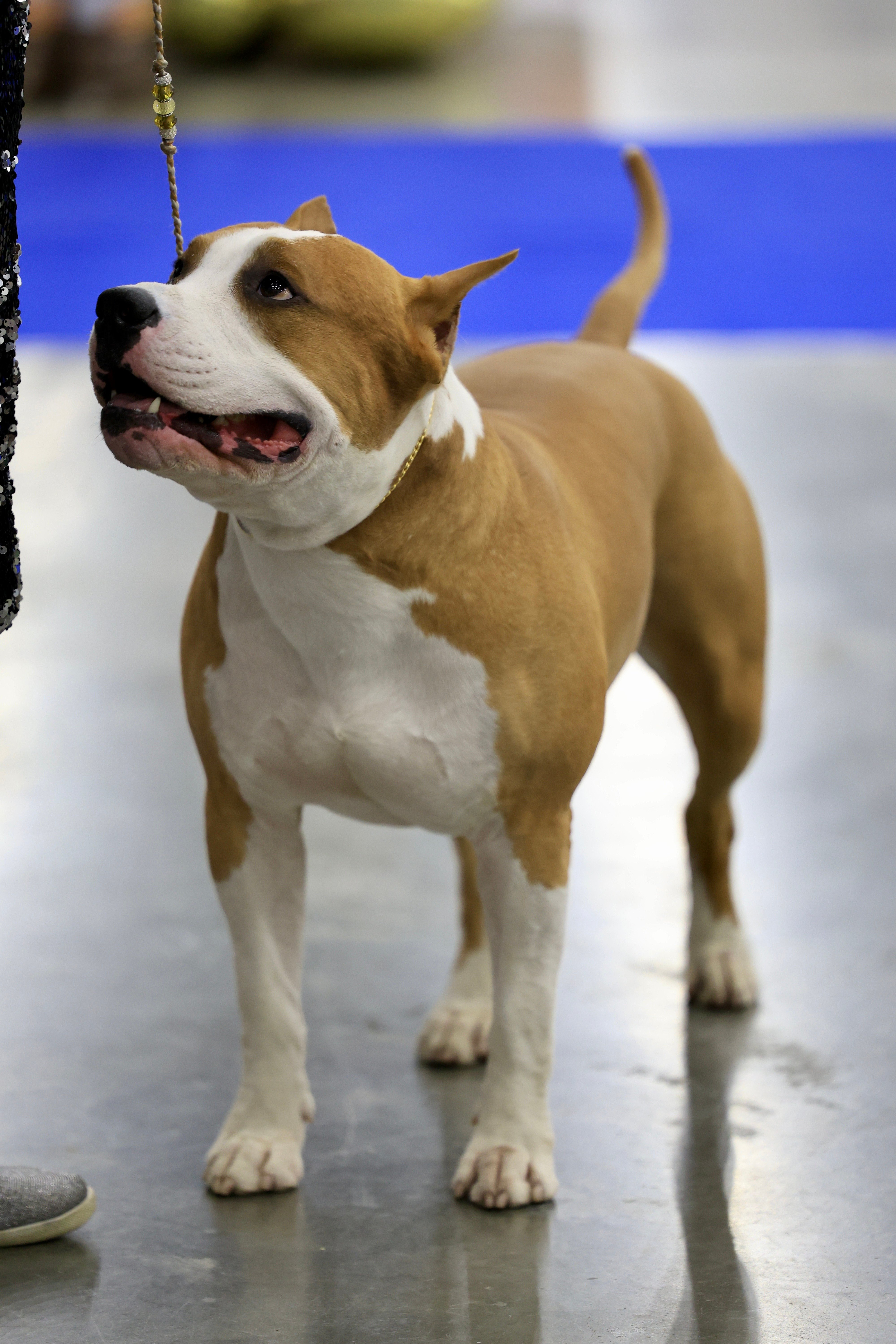
Looking for a american bully breeder?
Be among the first American Bully breeders listed on Breed Ledger. Every plan includes unlimited animal records.