Rabbit
Oryctolagus cuniculus
Color genetics is well-characterized across 5 primary loci (A, B, C, D, E) plus modifiers (W wide-band, Si silvering, V Vienna, En spotting). Two loci have peer-reviewed lethal homozygous documentation: the Dwarf locus (Dw, HMGA2 deletion - homozygous Dw/Dw "peanut" dwarves die within days; Dw/dw heterozygotes are true dwarves; dw/dw is normal-sized. OMIA 000299-9986) and the English spotting locus (En, KIT gene - homozygous En/En "Charlie" animals develop congenital megacolon; Fontanesi et al. 2014). Fur structure loci (R, L, Sa) are all recessive and independent.
22 recognized
rabbit breeds.
Breeds are grouped by working purpose. Each entry links to its trait profile, registry recognition, and the breeders running that breed on Breed Ledger.
Dutch
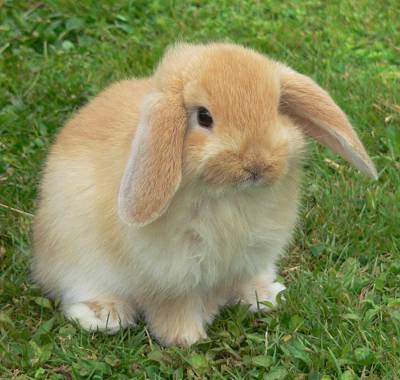
One of the oldest and most recognizable domestic rabbit breeds with a distinctive bicolor pattern. ARBA recognized. Calm, gentle, and easy to handle.
 Ungrouped
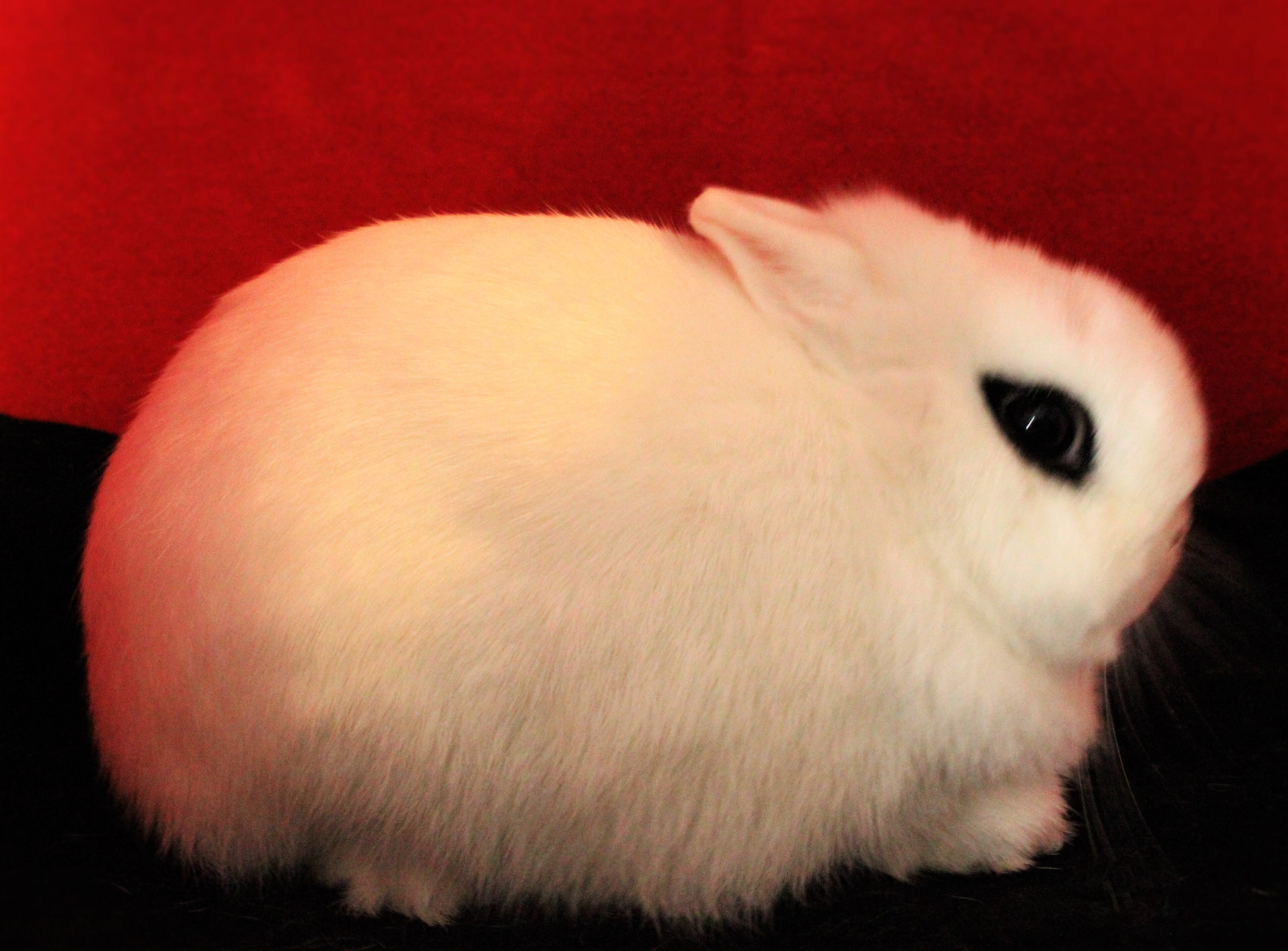
Dwarf Hotot
Small white rabbit with distinctive dark eye markings. ARBA recognized. Compact body type derived from the full-sized Blanc de Hotot.
 Ungrouped
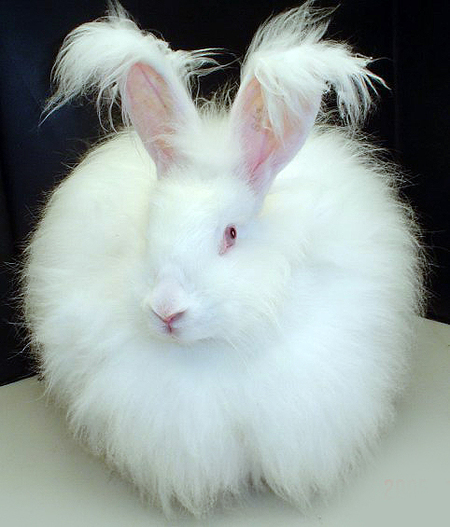
English Angora
Heavily wooled breed with fur covering the entire body including the face. ARBA recognized. Requires frequent grooming; fiber is spun for luxury yarn.
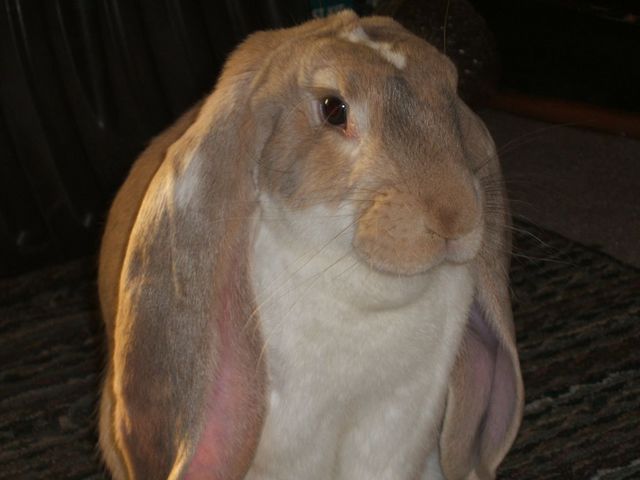 Ungrouped
English Lop
Large breed with the longest ears of any rabbit breed, sometimes exceeding 21 inches. ARBA recognized. Friendly and relaxed, an ancient breed from England.
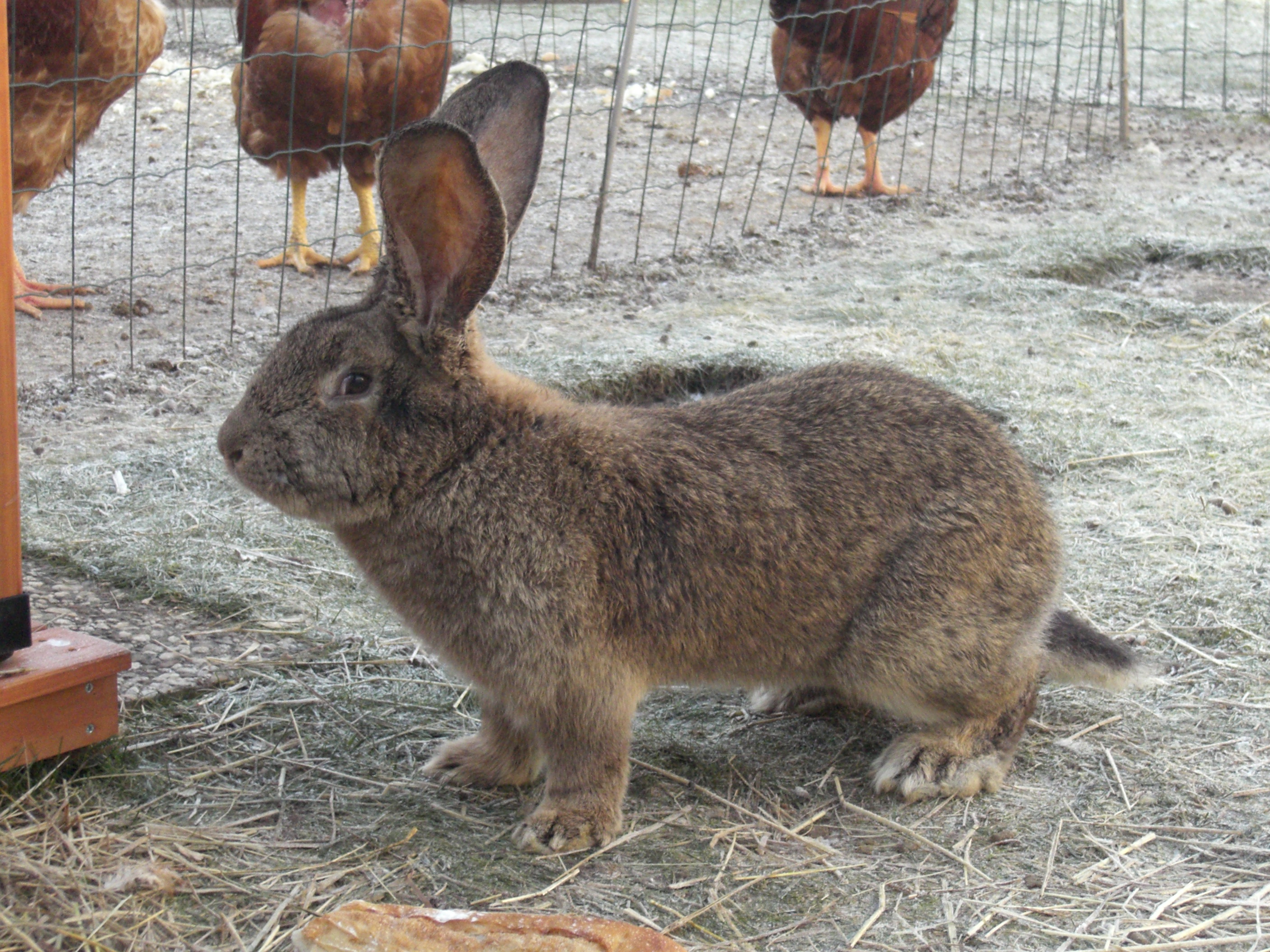 Ungrouped
Flemish Giant
Largest recognized rabbit breed, with bucks reach 13 lb minimum (ARBA senior buck) and does reach 14 lb minimum (ARBA senior doe); both sexes commonly exceed those minimums. ARBA recognized. Gentle, docile temperament earning the name "Gentle Giant." Available in seven colors.
French Angora
Large, commercial-body Angora breed with a less dense face and ear furnishings than the English. ARBA recognized. Popular for wool production and showing.
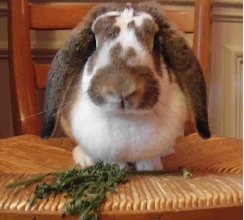 Ungrouped
French Lop
Large lop-eared breed developed in France from the English Lop. ARBA recognized. Calm, sociable, and one of the largest lop breeds.
Harlequin
Medium-sized breed known for distinctive alternating blocks or bands of two colors. ARBA recognized. Outgoing and playful, often called the "clown of rabbits."
Havana
Medium-sized breed with a rich, glossy chocolate coat and compact body. ARBA recognized. Even-tempered and popular in both show and pet communities.
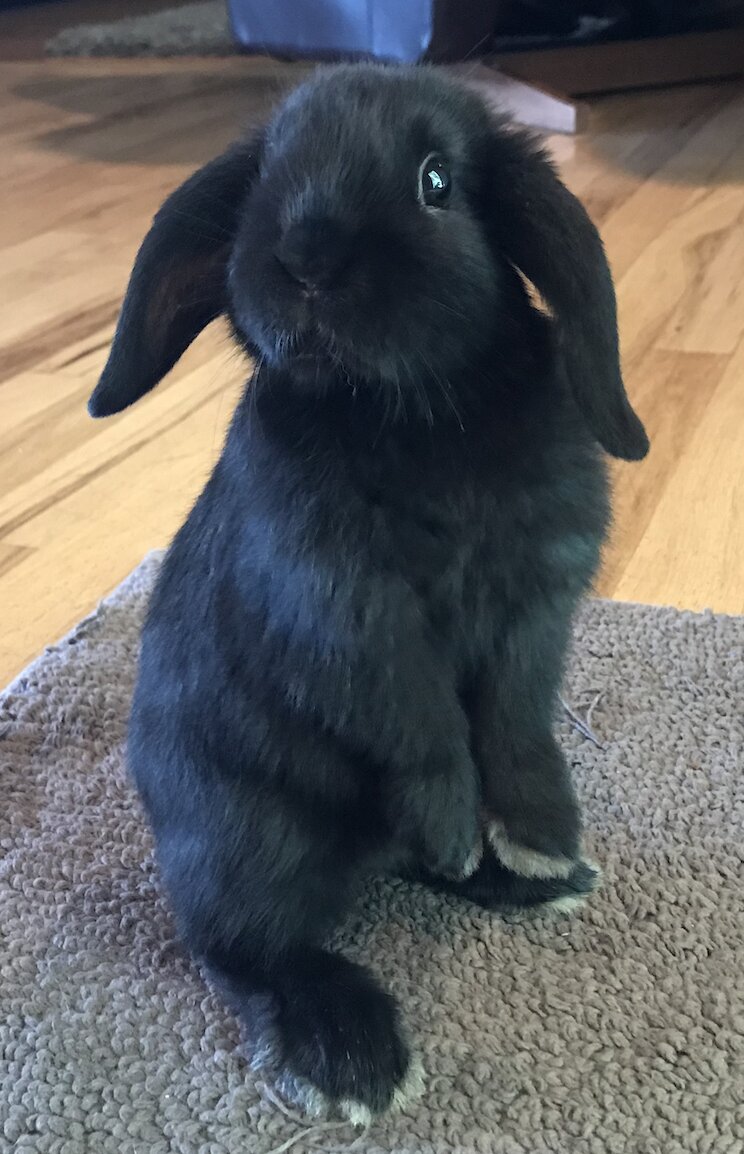 Ungrouped
Holland Lop
Small lop-eared breed and one of the most popular rabbit breeds in the United States. ARBA recognized. Compact, friendly, and widely kept as a companion.
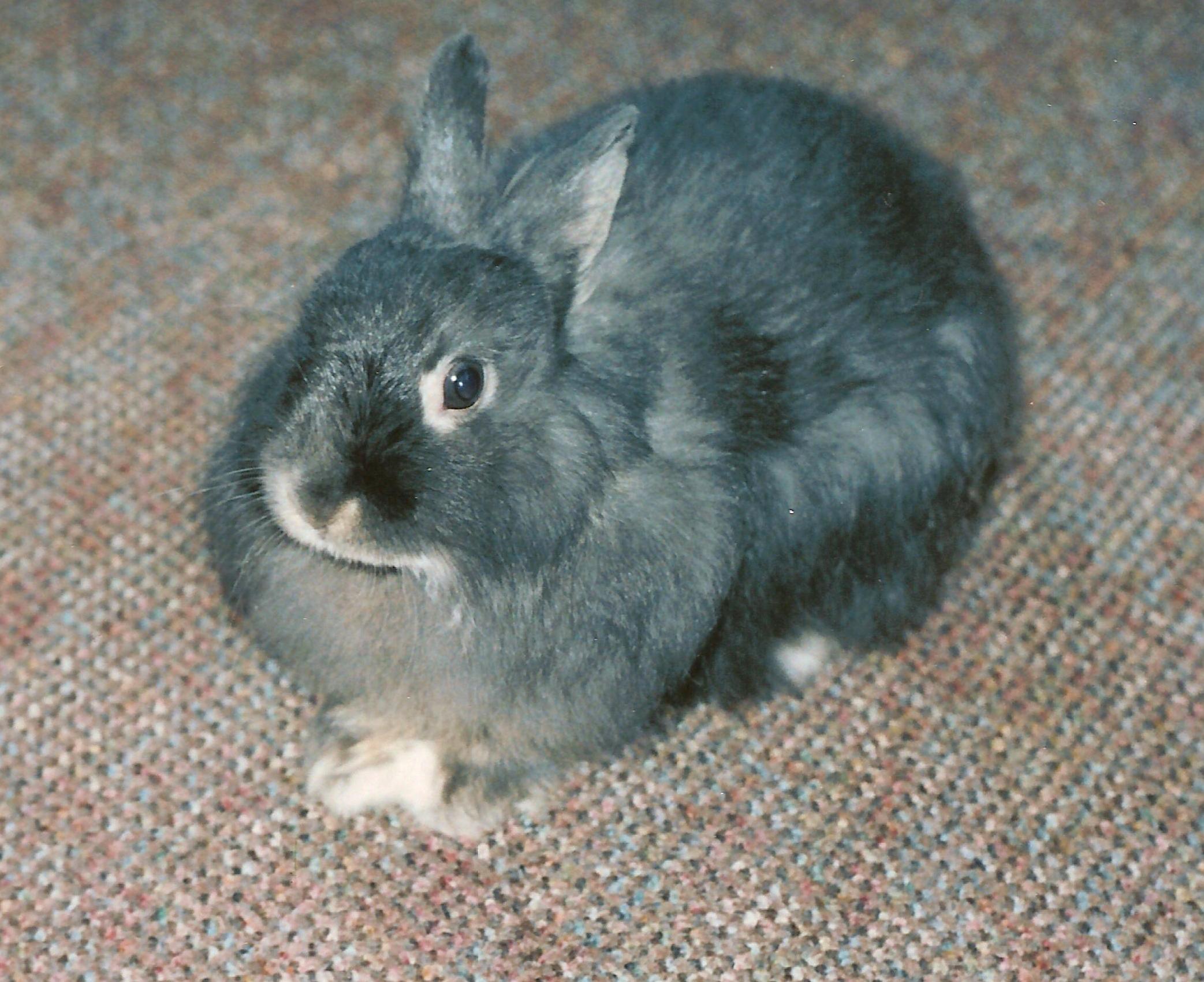
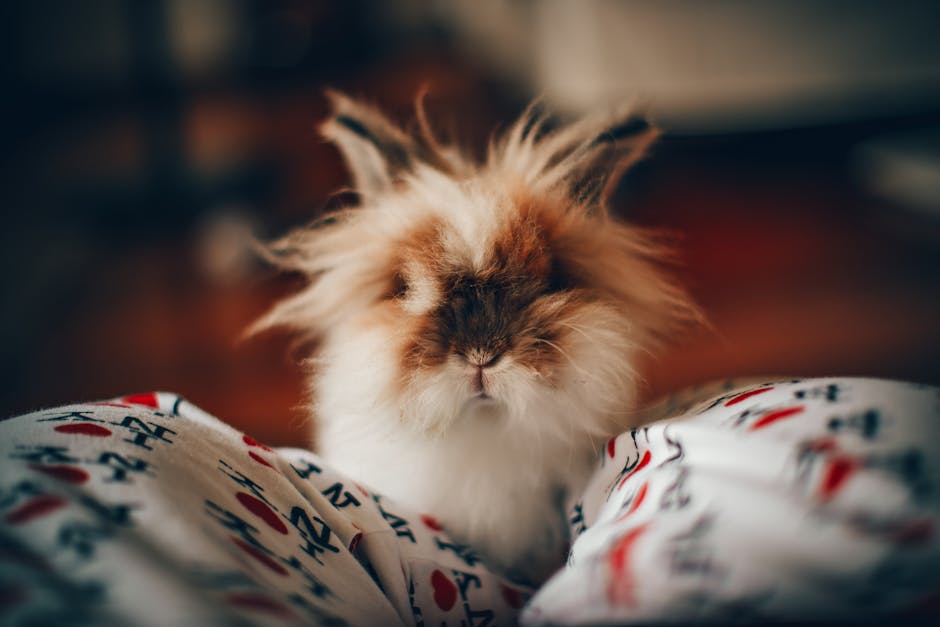
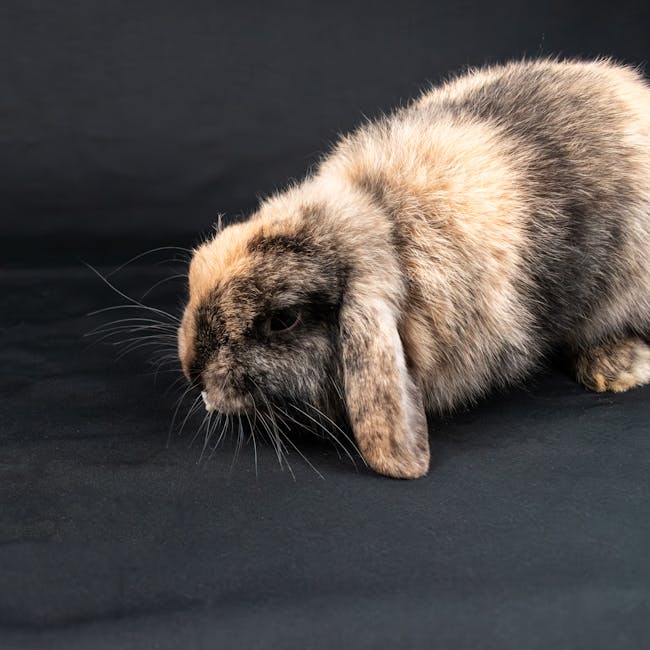 Ungrouped
Mini Lop
Medium-sized lop-eared breed with a muscular, compact body. ARBA recognized. Bold, playful, and one of the most popular breeds at ARBA shows.
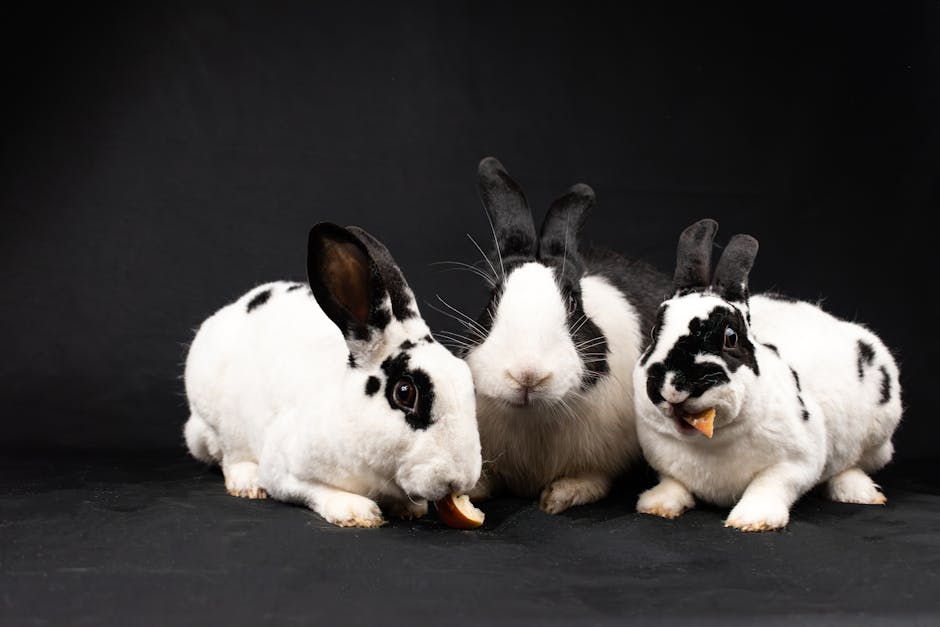 Ungrouped
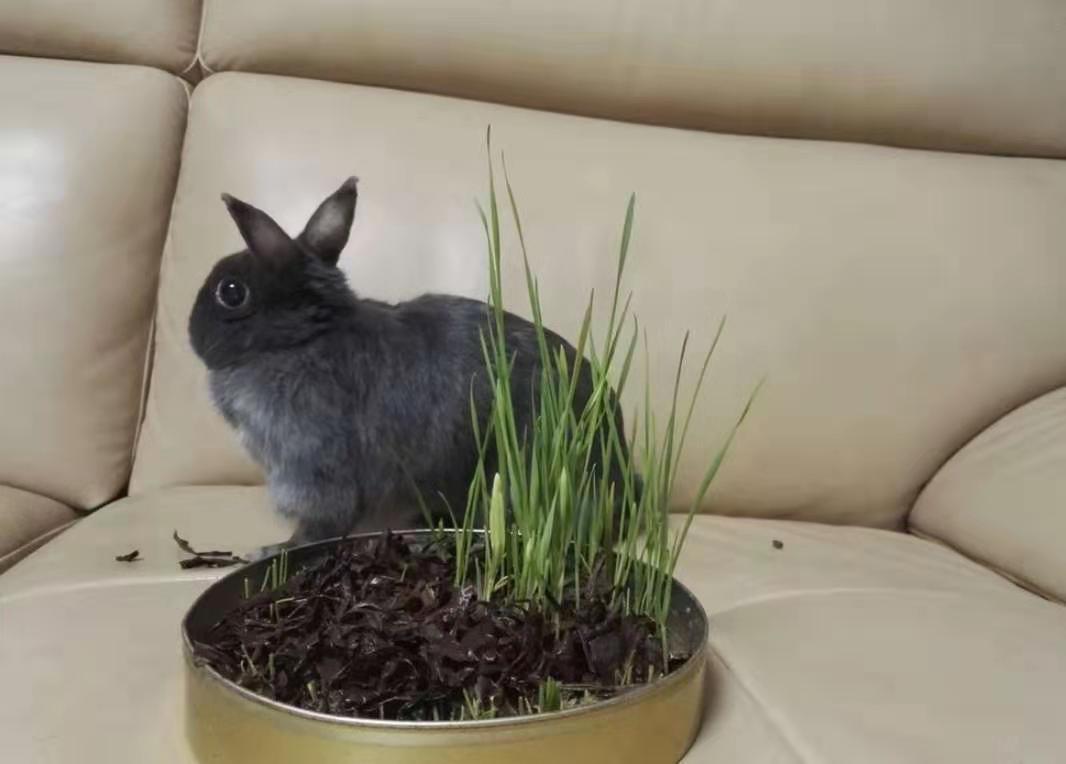
Mini Rex
Small breed with the same distinctive plush, velvety rex coat as the standard Rex. ARBA recognized. Most popular breed at ARBA shows for many years.
 Ungrouped
Netherland Dwarf
Smallest recognized rabbit breed, known for a tiny, round head and compact body. ARBA recognized. Widely popular for shows and as a pet.
New Zealand
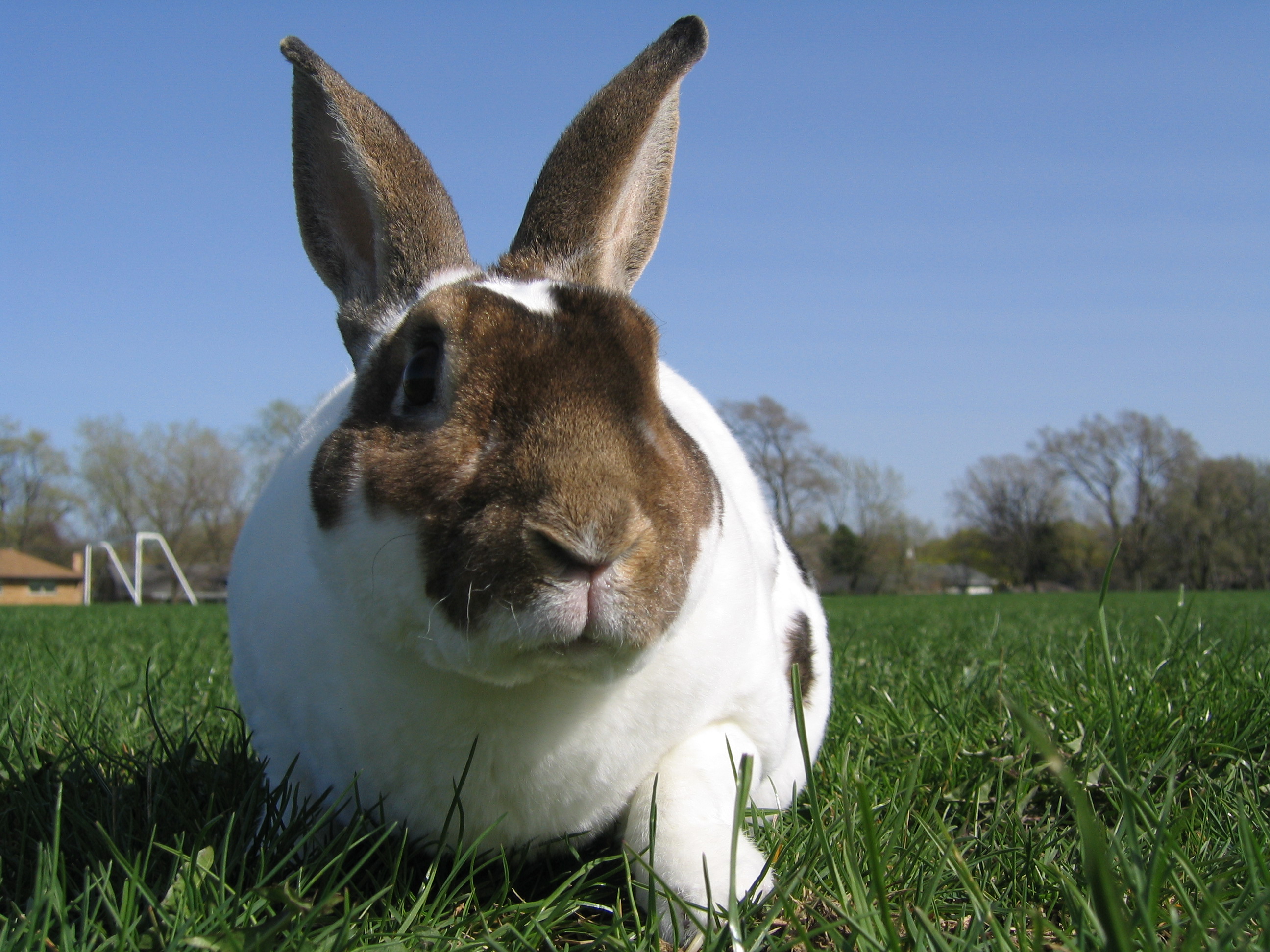
Large, muscular breed and the most widely used rabbit breed in commercial meat and laboratory settings. ARBA recognized. White variety most common, also available in red, black, and broken.
Looking for a rabbit breeder?
Browse every program listing rabbit on Breed Ledger. Filter by state, breed, and availability.