Breed Ledger launches May 15 · First 50 waitlist signups get 6 months free · Claim your spot →0d left
All species

Horse

Equus caballus

11traits
32morphs
20breeds

Breeding facts

Clutch / litter size

1

Incubation / gestation

~340 days

Breeding season

Year-round

Single foal typical. Twins are rare and high-risk. Gestation averages 340 days (11 months). Seasonal breeders, typically foaling January through June in the Northern Hemisphere.

Genetics traits

Individual heritable traits tracked on this species.

Agouti (ASIP)

ARecessiveA / a / A/A / A/a / a/a / At

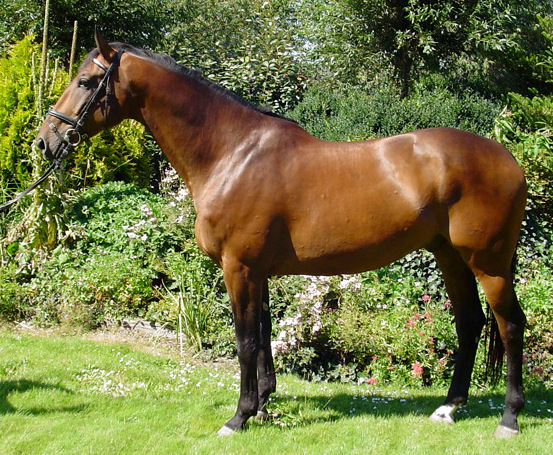
Agouti Signaling Protein (ASIP) gene on equine chromosome 22. Controls distribution of eumelanin when present (requires E/- at Extension). A (dominant) restricts eumelanin to the points (mane, tail, lower legs) producing BAY. a (recessive, 11-bp deletion in exon 2) allows uniform eumelanin throughout producing BLACK. A has no visible effect on e/e (chestnut) horses.

ID tips: A/-: bay -- brown/red body with black mane, tail, and lower legs. a/a: black -- uniform black body, mane, and tail. On e/e horses, Agouti genotype is hidden but important for breeding predictions.

Champagne (SLC36A1)

ChDominantCh / ch / n / Ch/Ch / Ch/n / n/n

SLC36A1 gene on equine chromosome 14. Champagne allele (Ch) is a dominant missense mutation (Thr63Arg) diluting both eumelanin and phaeomelanin, producing a distinct metallic appearance from Cream. Ch/Ch and Ch/n are phenotypically similar. Produces Gold Champagne (chestnut base), Amber Champagne (bay base), Classic Champagne (black base). All champagne horses are born with bright blue eyes that change to amber/hazel/green with age. Skin shows pinkish mottling (freckling) around muzzle and eyes.

ID tips: Champagne horses: (1) amber/green/hazel eyes in adults (bright blue at birth), (2) pink/mottled skin around muzzle and eyes, (3) warm metallic coat. Gold champagne: gold body, lighter mane/tail. Amber champagne: warm tan body with chocolate points. Classic champagne: lilac/mousy body with chocolate points.

Cream / Pearl (SLC45A2)

CrIncomplete DominantCr / prl / cr / N / n / Cr/Cr / Cr/N / Cr/prl / prl/prl / prl/N / N/N

SLC45A2 gene. Three alleles: Cr (Cream), prl (Pearl), N (wild-type). Cr single copy (Cr/N): dilutes phaeomelanin strongly producing Palomino (chestnut base), Buckskin (bay base), Smoky Black (black base). Cr/Cr: strongly dilutes both pigments producing Cremello (chestnut), Perlino (bay), Smoky Cream (black). prl/N: NO visible effect. prl/prl: mild dilution. Cr/prl compound heterozygote: pseudo-double-dilute appearing cremello/perlino-like despite only one Cream copy.

ID tips: Cr/N: palomino/buckskin/smoky black. Cr/Cr: cremello/perlino/smoky cream. prl/N: no visible dilution -- undetectable without DNA test. prl/prl: mild apricot tint. Cr/prl: pseudo-double-dilute -- appears cremello/perlino-like. DNA test is the ONLY way to distinguish Cr/Cr from Cr/prl.

Dun (TBX3)

DIncomplete DominantD / nd1 / nd2 / D/D / D/nd1 / D/nd2 / nd1/nd1 / nd1/nd2 / nd2/nd2

TBX3 gene on equine chromosome 8. Three alleles: D (Dun, wild-type, dominant), nd1 (non-dun 1), nd2 (non-dun 2). D dilutes the body coat while preserving pigment on primitive markings (dorsal stripe, leg barring, shoulder stripe). nd1 removes most body dilution while preserving some primitive markings. nd2 eliminates both dilution and primitive markings. Most modern horses are nd2/nd2. D produces Dun on bay base, Grullo on black base, Red Dun on chestnut base.

ID tips: D/-: diluted body with dorsal stripe, often leg barring, shoulder stripe. Dun on bay = yellow-tan body with black primitive markings. Grullo = mouse-grey body with black primitive markings. Red dun = peachy-red body with darker red primitive markings. nd1/nd1: may have faint dorsal stripe. nd2/nd2: no dilution, no primitive markings.

Extension (MC1R)

ERecessiveE / e / E/E / E/e / e/e

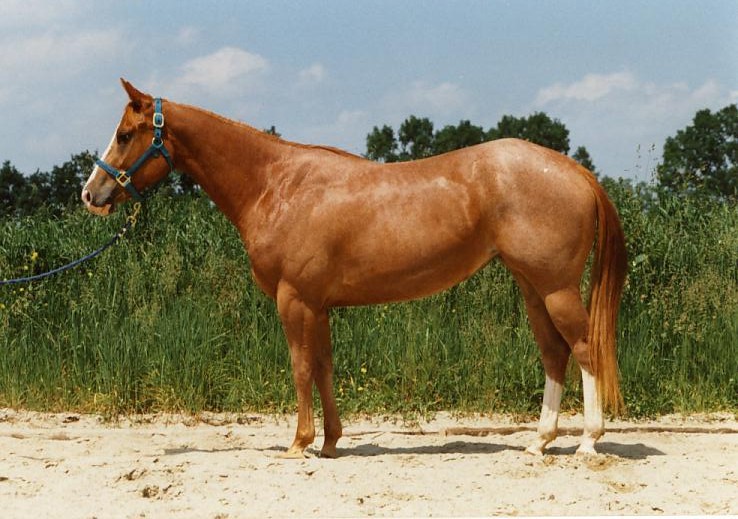
Melanocortin 1 Receptor (MC1R) gene on equine chromosome 3. Controls whether eumelanin (black/brown pigment) can be produced. E (wild-type, dominant) allows eumelanin production; e (recessive, missense mutation Ser83Phe) restricts the horse to phaeomelanin (red/yellow) only. E/E and E/e horses can be bay or black depending on Agouti. e/e horses are chestnut/sorrel regardless of other eumelanin-acting loci.

ID tips: E/E and E/e: horse can be bay or black (determined by Agouti). e/e: horse is chestnut/sorrel -- red body with matching or lighter mane and tail. No black pigment on legs or mane/tail. DNA testing recommended to distinguish E/E from E/e.

Frame Overo (EDNRB)

OIncomplete DominantO / n / N / O/O / O/n / N/N / Oo / OO / LWOS / LWO

Endothelin Receptor B (EDNRB) gene on equine chromosome 17. O/n (heterozygous): frame overo pattern -- irregular horizontal white patches framed by base color, rarely crossing the topline, often white face, usually dark legs. O/O (HOMOZYGOUS): ***LETHAL.*** Lethal White Overo Syndrome (LWOS) -- foals born entirely white with intestinal aganglionosis (non-functional GI tract). Cannot pass meconium. Death within 72 hours. NO treatment. MOST CRITICAL BREEDING WARNING IN EQUINE GENETICS.

ID tips: O/n: horizontal white patches not crossing topline. Dark legs. White face. Blue eyes common. Irregular patch edges. Minimal-expression carriers can appear nearly solid -- DNA testing essential. O/O (LETHAL): foal born entirely white, blue eyes, cannot pass meconium, progressive colic, death within 72 hours.

lethal homozygous risk: LETHAL WHITE OVERO SYNDROME (LWOS / OLWS). Homozygous Frame Overo (O/O) is invariably lethal. Foals are born entirely or nearly entirely white with blue eyes. They have complete intestinal aganglionosis -- the enteric nervous system fails to develop, resulting in a non-functional gastrointestinal tract. Foals cannot pass meconium, develop severe colic, and die within 24-72 hours. There is NO treatment and NO survival. Humane euthanasia upon diagnosis is the standard of care. The condition is the equine equivalent of Hirschsprung disease in humans. BREEDING IMPLICATIONS: An O/n x O/n cross (frame overo x frame overo) produces a statistical 25% chance of LWOS per foal. Because Frame Overo expression is variable and some carriers appear nearly solid, DNA TESTING OF ALL BREEDING STOCK WITH ANY OVERO ANCESTRY IS ESSENTIAL.

Gray (STX17)

GDominantG / g / n / G/G / G/n / n/n

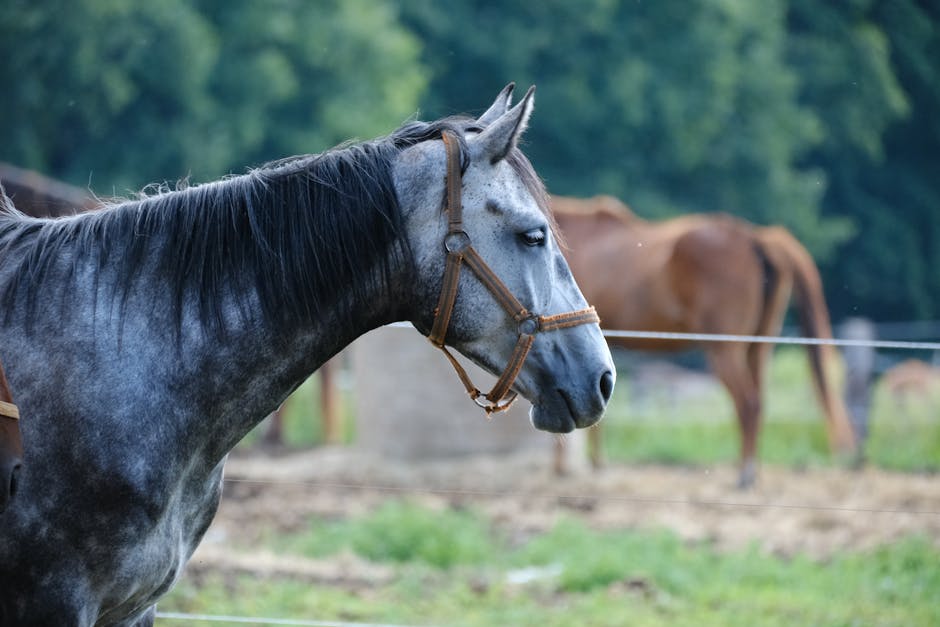
STX17 gene on equine chromosome 25. Gray allele (G) causes progressive depigmentation. Dominant -- one copy (G/n) produces full graying phenotype. Horses are born their base color and progressively lighten with each shed cycle, typically appearing white by age 8-15 (skin remains dark). G/G grayes faster. Gray is epistatic to all other color genes. Associated with increased melanoma risk -- up to 80% of gray horses over age 15 develop melanoma, higher in G/G.

ID tips: Gray horses change color throughout life. Foal born bay/black/chestnut. White hairs appear around eyes first. "Dapple gray" stage. "Flea-bitten gray": small colored spots on otherwise white coat. Fully grayed: appears white but has dark skin (distinguishes from cremello/perlino which have pink skin).

Leopard Complex (TRPM1)

LPIncomplete DominantLP / lp / n / LP/LP / LP/n / n/n / PATN1 / PATN2

TRPM1 gene on equine chromosome 1. LP is incomplete dominant: LP/n produces varnish roan, mottled skin, striped hooves, and visible white sclera. LP/LP produces more extensive white patterning. LP/LP is associated with Congenital Stationary Night Blindness (CSNB). PATN genes are separate modifiers controlling pattern extent -- only active with LP present. LP+PATN produces blanket, leopard, few-spot, snowcap, and varnish roan patterns.

ID tips: LP/n with PATN: appaloosa patterns -- white blanket over hips, or leopard pattern with colored spots. Mottled skin around muzzle/eyes/genitalia. Striped hooves. Visible white sclera. LP/LP with PATN: few-spot leopard -- nearly all white with scattered spots. n/n: no appaloosa characteristics.

moderate homozygous risk: Congenital Stationary Night Blindness (CSNB) is associated with homozygous Leopard Complex (LP/LP). CSNB is a non-progressive visual impairment affecting rod photoreceptor function in the retina via disrupted TRPM1 expression in retinal ON bipolar cells. Affected horses have severely reduced or absent vision in low-light conditions but retain normal vision in well-lit environments. CSNB is present from birth and does not worsen with age. Clinical signs: reluctance to enter dark spaces, spooking at shadows, difficulty navigating at dusk/dawn. Diagnosis requires electroretinography (ERG). Horses with CSNB can be safely ridden in well-lit conditions but may be unsafe on trails at dusk. Breeders selecting for few-spot leopard (LP/LP + PATN) are inherently selecting for CSNB.

Roan (KIT)

RnDominantRn / rn / n / Rn/Rn / Rn/n / n/n

KIT gene on equine chromosome 3. Roan (Rn) is dominant -- even intermixing of white hairs with colored hairs throughout body while head and lower legs (points) remain fully colored. Present from birth and stable (unlike progressive gray). Produces Blue Roan (black base), Bay/Red Roan (bay base), Strawberry Roan (chestnut base). "Corn marks" (areas where injured skin grows back in base color) are diagnostic. Rn/Rn is viable -- historical reports of homozygous roan being lethal are discredited.

ID tips: Rn/-: even mix of white and colored hairs on body. Head fully colored. Lower legs fully colored. "Corn marks" diagnostic. Blue roan: dark head and legs with blue-grey frosted body. Bay/red roan: pinkish-roan body. Strawberry roan: pinkish body. Pattern stable year to year (distinguish from progressive graying).

Silver (PMEL17)

ZIncomplete DominantZ / z / n / Z/Z / Z/n / n/n

PMEL17 gene on equine chromosome 6. Silver allele (Z) specifically dilutes eumelanin but has NO visible effect on phaeomelanin. On black base: produces chocolate/silver dapple body with flaxen/silver mane and tail. On bay base: lightens black points to flaxen/chocolate. On chestnut: NO visible effect. Associated with Multiple Congenital Ocular Anomalies (MCOA) / Anterior Segment Dysgenesis (ASD), more severe in Z/Z homozygotes.

ID tips: Z/- on black: chocolate/dark brown body with bright flaxen/silver-white mane and tail ("silver dapple"). Z/- on bay: black points lighten to flaxen/chocolate ("silver bay"). Z/- on chestnut: NO visible effect -- DNA test required. Eye abnormalities (ASD/MCOA) may be present.

moderate homozygous risk: Multiple Congenital Ocular Anomalies (MCOA), also called Anterior Segment Dysgenesis (ASD), is associated with the Silver (Z) allele. Severity is dose-dependent: Z/n heterozygotes may have the milder "cyst" phenotype (ciliary body cysts, generally not vision-impairing), while Z/Z homozygotes are more likely to have the full MCOA phenotype (iris hypoplasia, iridocorneal angle abnormalities, lens subluxation, cataracts, retinal detachment in severe cases). Not all Z/Z horses are clinically affected to the same degree -- expressivity is variable. Most Silver carriers (Z/n) have subclinical changes detectable only on detailed ophthalmic exam. Z/Z horses should receive thorough ophthalmic evaluation.

Tobiano (KIT)

TODominantTO / to / n / TO/TO / TO/n / n/n / T / t

KIT gene (chromosome 3) -- chromosomal inversion. Tobiano (TO) is dominant white spotting. TO/n produces tobiano: large, regular white patches crossing the topline, colored flanks and head, usually white legs, smooth patch borders. TO/TO tends to have more white. Most common and genetically simplest pinto/paint pattern.

ID tips: TO/-: large white patches crossing back/topline with smooth edges. Legs typically white. Head usually colored. Colored areas often on flanks. Homozygous TO/TO often have more extensive white and may show "ink spots" within white areas.

Morphs

Named visual expressions and genetic combinations tracked in this species.

Single-gene morphs

color

Amber Champagne

Champagne (SLC36A1) (Ch)

Rare

Bay

Agouti (ASIP) (A)

Common

Black

Agouti (ASIP) (A)

Common

Buckskin

Cream / Pearl (SLC45A2) (Cr)

Common

Chestnut

Extension (MC1R) (E)

Common

Classic Champagne

Champagne (SLC36A1) (Ch)

Rare

Cremello

Cream / Pearl (SLC45A2) (Cr)

Uncommon

Dun

Dun (TBX3) (D)

Uncommon

Gold Champagne

Champagne (SLC36A1) (Ch)

Rare

Gray

Gray (STX17) (G)

Common

Grullo

Dun (TBX3) (D)

Uncommon

Palomino

Cream / Pearl (SLC45A2) (Cr)

Common

Pearl

Cream / Pearl (SLC45A2) (Cr)

Rare

Red Dun

Dun (TBX3) (D)

Uncommon

Sable Champagne

Champagne (SLC36A1) (Ch)

Very Rare

Silver Dapple

Silver (PMEL17) (Z)

Uncommon

Smoky Black

Cream / Pearl (SLC45A2) (Cr)

Uncommon

pattern

Appaloosa

Leopard Complex (TRPM1) (LP)

Uncommon

Frame Overo

Frame Overo (EDNRB) (O)

Uncommon

Roan

Roan (KIT) (Rn)

Uncommon

Tobiano

Tobiano (KIT) (TO)

Common

Combo morphs

Amber Champagne Combo

Moderate

Requires: Champagne (SLC36A1) + Agouti (ASIP)

Champagne dilution on bay base (E/- A/- Ch/-). Warm tan-gold body with chocolate (not black) points. Mottled/freckled skin. Amber/hazel/green eyes. See Amber Champagne morph entry for full phenotype description. This combo_morph entry exists for the color calculator to identify the multi-locus requirement (Champagne + bay base). Distinguishable from buckskin by chocolate points (vs black), mottled skin, and eye color.

Bay Roan

Easy

Requires: Roan (KIT) + Agouti (ASIP)

Roan (Rn/-) on bay base (E/- A/-). Even mix of white and red/brown hairs on the body producing a pinkish-red or warm roan appearance. Head remains bay. Mane, tail, and lower legs remain black. Also called "red roan" by some registries -- AQHA uses "bay roan" for roan on bay base and "red roan" for roan on chestnut base. Registry status: Standard in AQHA. Accepted by most registries.

Blue Roan

Easy

Requires: Roan (KIT) + Agouti (ASIP)

Roan (Rn/-) on black base (E/- a/a). Even mix of white and black hairs on the body producing a blue-grey or steel-blue appearance. Head and lower legs remain solid black. Mane and tail remain black. "Corn marks" (solid black patches where skin has been injured) are characteristic. Blue roan is stable year-round (distinguish from gray which progressively lightens). Registry status: Standard in AQHA. Accepted by most registries. A popular and valued color in American Quarter Horses and stock breeds.

Dunalino

Difficult

Requires: Dun (TBX3) + Cream / Pearl (SLC45A2) + Extension (MC1R)

Dun dilution + Cream dilution on chestnut base (e/e D/- Cr/N). Combines the golden body of palomino with the primitive markings of red dun. Body is a rich golden color with reddish dorsal stripe, leg barring, and other primitive markings. Mane and tail are typically white/flaxen. Dunalino can be confused with palomino -- the dorsal stripe is the key distinguishing feature. Both D and Cr are diluting the phaeomelanin, producing a very light, bright golden body. Registry status: Accepted by AQHA and most registries. Registered under various color names depending on the registry.

Dunskin

Difficult

Requires: Dun (TBX3) + Cream / Pearl (SLC45A2) + Agouti (ASIP)

Dun dilution + Cream dilution on bay base (E/- A/- D/- Cr/N). Combines the features of both buckskin and dun. Golden-tan body with black primitive markings (dorsal stripe, leg barring) AND black mane, tail, and lower legs. The double dilution (both Dun and Cream acting on the bay body) produces a particularly light, bright golden body. Dunskin can be difficult to distinguish from buckskin or dun alone -- DNA testing confirms the presence of both D and Cr. Registry status: Accepted by AQHA and ABRA. May be registered as either buckskin or dun depending on the registry and visual appearance.

Grulla

Moderate

Requires: Dun (TBX3) + Agouti (ASIP)

Dun dilution on black base (E/- a/a D/-). Also spelled "grullo" (masculine) or "grulla" (feminine). Mouse-grey to slate-grey body with black primitive markings: dorsal stripe, leg barring, shoulder stripe, and dark face/ear tips. Grulla is one of the most sought-after and visually striking colors in stock breeds. The body color is a cool grey (NOT warm -- warm grey is more suggestive of champagne or silver). Requires three things: eumelanin (E/-), no Agouti restriction (a/a), and Dun dilution (D/-). Registry status: Standard in AQHA as "grullo." Accepted by ABRA and most stock breed registries.

Perlino

Moderate

Requires: Cream / Pearl (SLC45A2) + Agouti (ASIP)

Double Cream dilution on bay base (E/- A/- Cr/Cr). Very pale cream to white body with slightly darker ("rusty") points -- mane, tail, and lower legs may have a faint orange/tan tint compared to the body. Blue eyes. Pink skin. Perlino vs. cremello: perlino has the faint warm tint on the points from the underlying bay base; cremello is uniformly pale (chestnut base, no eumelanin points). DNA test is the definitive way to distinguish perlino from cremello. Perlinos carry at least one A allele, making them valuable producers of buckskin (single dilute on bay). Registry status: AQHA registers perlino. Most registries accept perlino. Historically excluded as "albinos" but this has been corrected.

Pseudo-Double-Dilute (Cream/Pearl)

Difficult

Requires: Cream / Pearl (SLC45A2)

Compound heterozygote Cr/prl at SLC45A2. Pearl (prl) is allelic to Cream -- both are mutations at the same gene. The Cr/prl genotype produces a phenotype that mimics Cr/Cr (cremello/perlino): very pale coat, blue eyes, and pink skin. Visually indistinguishable from a true double-dilute (Cr/Cr) without DNA testing. CRITICAL FOR BREEDERS: Cr/prl does NOT breed like Cr/Cr. A Cr/Cr horse passes Cr to 100% of offspring (all foals are at least single-dilute). A Cr/prl horse passes Cr to 50% and prl to 50% -- the prl offspring appear their base color with no visible dilution (prl/N carriers). This means a breeder expecting all palomino/buckskin foals from a "cremello" will get ~50% non-dilute foals if that "cremello" is actually Cr/prl. The appearance on each base color: on chestnut base appears cremello-like, on bay base appears perlino-like, on black base appears smoky cream-like. UC Davis VGL Cream + Pearl panel distinguishes Cr/Cr from Cr/prl. Found primarily in Lusitano, Andalusian (PRE), Quarter Horse, and Paint Horse lines of Iberian descent.

Red Roan

Easy

Requires: Roan (KIT) + Extension (MC1R)

Roan (Rn/-) on chestnut base (e/e). Also called "strawberry roan." Even mix of white and red/chestnut hairs on the body producing a pinkish-strawberry appearance. Head and lower legs remain chestnut. Mane and tail remain red/chestnut. Note: AQHA uses "red roan" specifically for roan on a chestnut base. Some older references use "red roan" for roan on bay -- AQHA has standardized the terminology. Registry status: Standard in AQHA as "red roan." Accepted by most registries.

Smoky Cream

Moderate

Requires: Cream / Pearl (SLC45A2) + Agouti (ASIP)

Double Cream dilution on black base (E/- a/a Cr/Cr). Very pale cream body, similar to cremello and perlino. May have a slightly smoky/cool cast compared to the warmer cremello. Blue eyes. Pink skin. Smoky cream is visually nearly indistinguishable from cremello and perlino -- DNA test required for definitive identification. The "smoky" designation indicates the underlying black base (a/a). Smoky cream horses carry a/a, making them valuable for producing smoky black (single Cr on black) foals when bred to non-dilute mates. Registry status: Accepted by AQHA and most registries. Often registered simply as "cremello" without DNA testing to distinguish the base color.

Tovero

Difficult

Requires: Tobiano (KIT) + Frame Overo (EDNRB)

Combination of Tobiano (TO/-) and Frame Overo (O/n) patterns. Produces extensive white patterning that combines features of both patterns: white crosses the topline (tobiano) AND extends across the face and barrel (overo). Tovero horses often have very extensive white -- sometimes appearing nearly all white with colored patches on the ears, chest, flanks, and base of tail. Blue eyes are common. BREEDING WARNING: Tovero horses carry Frame Overo (O/n). Breeding tovero x tovero or tovero x frame overo carries LWOS risk (25% chance of O/O lethal foal). DNA test mandatory. Registry status: APHA recognizes tovero as a pattern category. Standard in paint and pinto registries.

Trait interactions

Known interactions between specific genes, including lethal combinations to avoid.

Extension (MC1R) + Agouti (ASIP)Epistatic

Extension (E) is epistatic to Agouti (A). When a horse is e/e (chestnut), the Agouti genotype has no visible effect because there is no eumelanin to distribute. An e/e A/A horse and an e/e a/a horse are both chestnut. However, the Agouti genotype is still inherited and matters for breeding predictions.

Gray (STX17) + Extension (MC1R)Epistatic

Gray (G) is epistatic to Extension and all other color loci. A gray horse will progressively lose pigment regardless of its base color, dilution genes, or patterns. The underlying genotype is preserved and heritable.

Silver (PMEL17) + Extension (MC1R)Epistatic

Silver (Z) only dilutes eumelanin. On e/e (chestnut) horses, Silver has no visible effect because there is no eumelanin to dilute. A chestnut horse can be a hidden Silver carrier (e/e Z/n). Important for breeding predictions and MCOA/ASD risk assessment.

Cream / Pearl (SLC45A2) + Champagne (SLC36A1)Synergistic

Cream and Champagne act synergistically when both are present. A horse carrying both Cr and Ch is more diluted than either alone. The combination can make color identification by visual inspection alone nearly impossible -- DNA testing is required to distinguish the contributions of each dilution gene.

Breeds

Recognized breeds with dedicated trait profiles and registry information.

American Quarter Horse

Most registered breed in the world and the quintessential American stock horse. Registered by AQHA. Exceptional at sprinting a quarter mile and invaluable in ranch, rodeo, and pleasure riding.
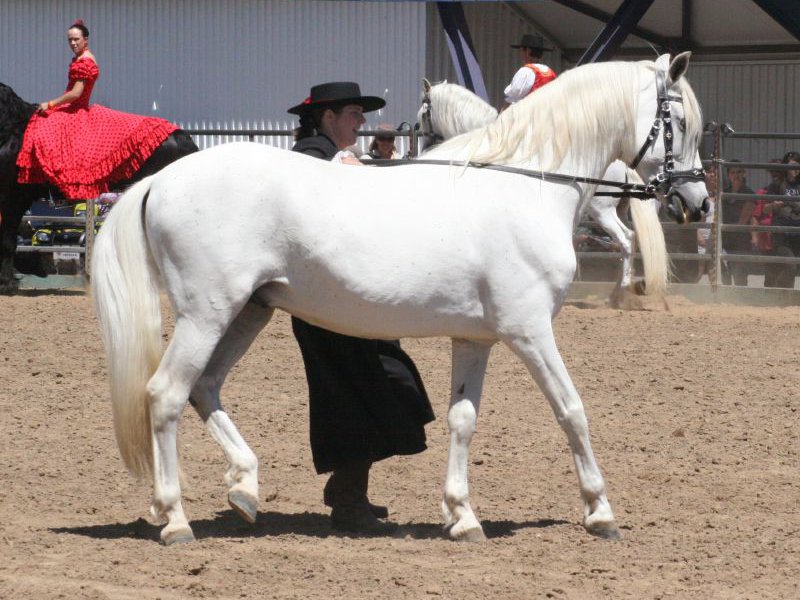
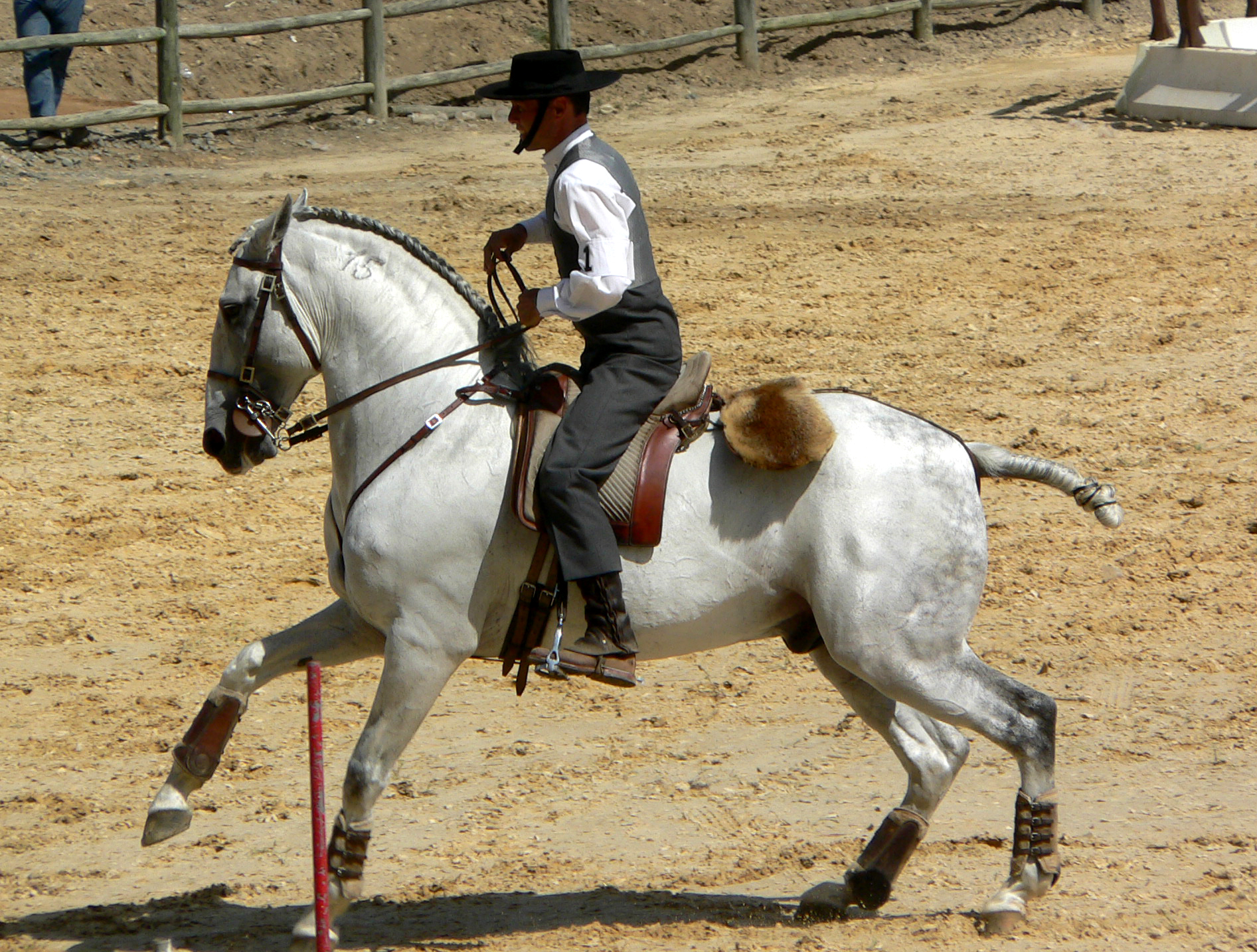
Andalusian

Elegant, strongly built Iberian breed from the Andalusia region of Spain, also known as the PRE (Pura Raza Espanola). Registered by ANCCE and IAPHA. Agile, proud, and historically a war horse.
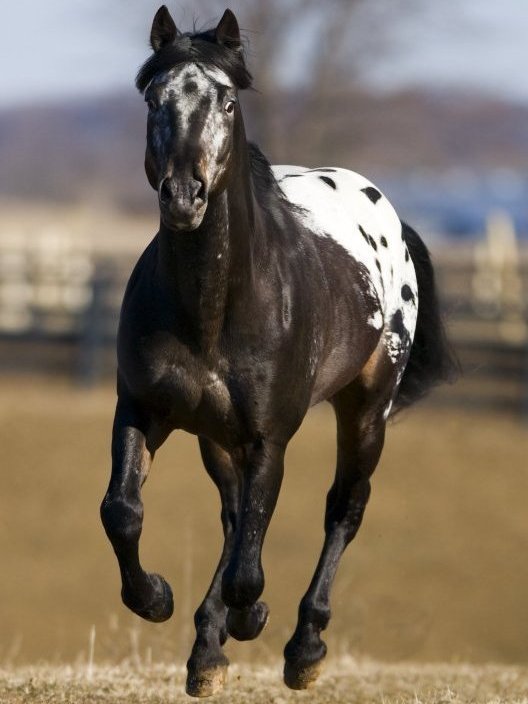
Appaloosa

Colorful spotted breed developed by the Nez Perce people of the Pacific Northwest. Registered by ApHC. Known for distinctive spotting patterns and mottled skin.
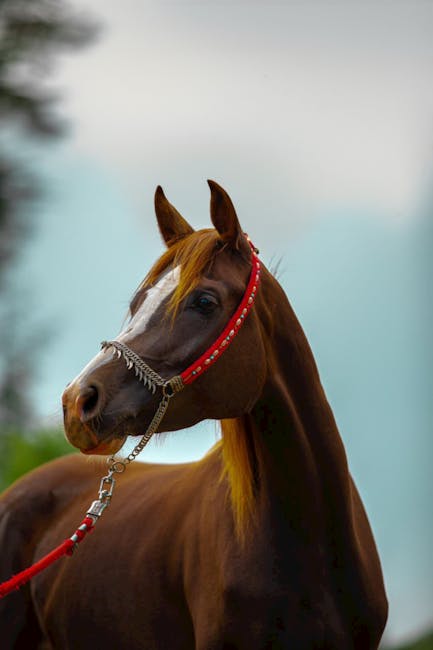
Arabian

One of the oldest and most recognizable breeds in the world, originating from the Arabian Peninsula. Registered by AHA. Refined, intelligent, and endurance-proven.
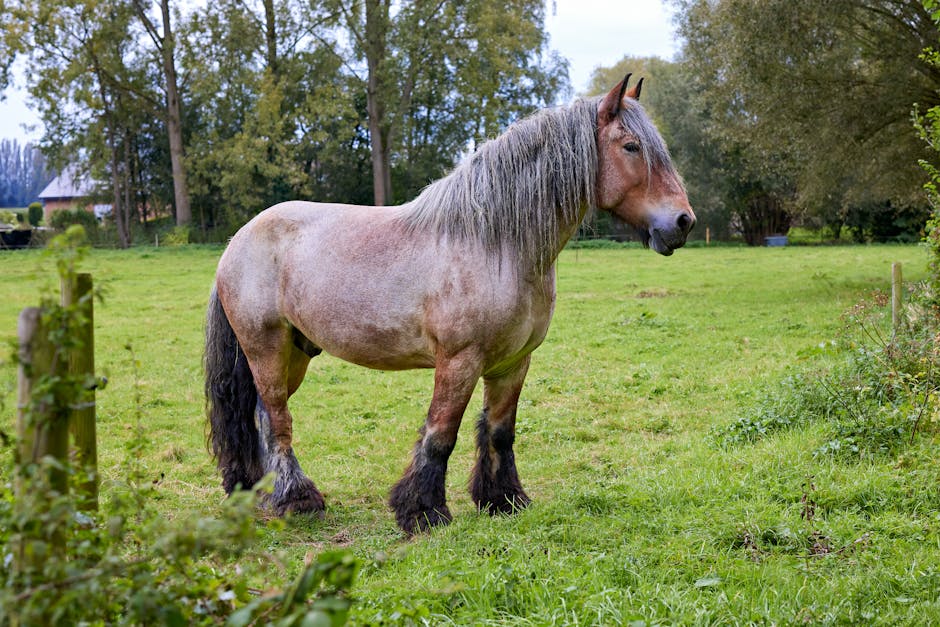
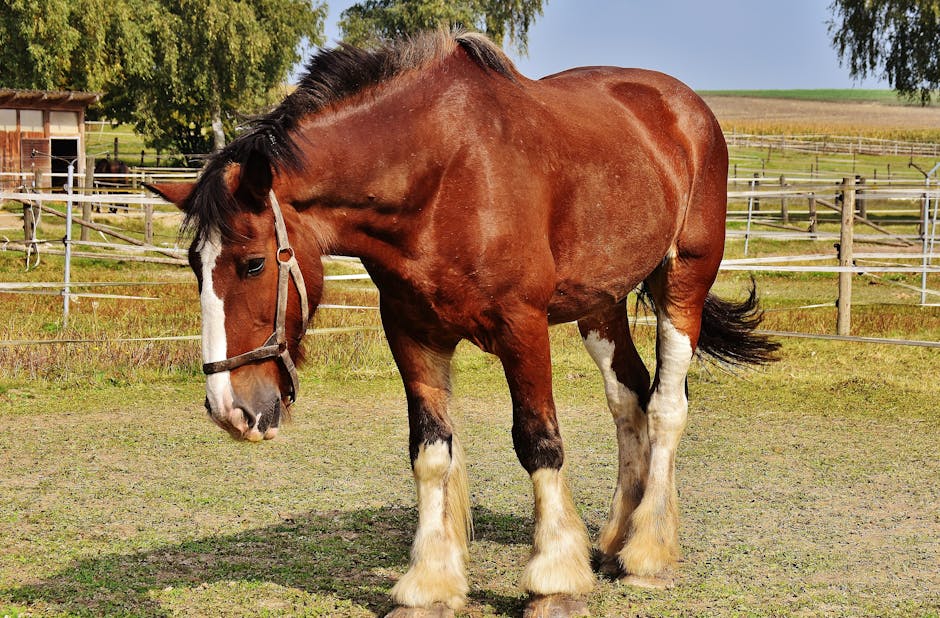
Belgian Draft

Massive, gentle draft breed and one of the strongest horse breeds. Registered by BIHA. Widely used for farm work, logging, and pulling competitions.

Clydesdale

Large Scottish draft breed known for feathered legs and a high-stepping action. Registered by the Clydesdale Horse Society of North America. Iconic in parades and show hitch classes.

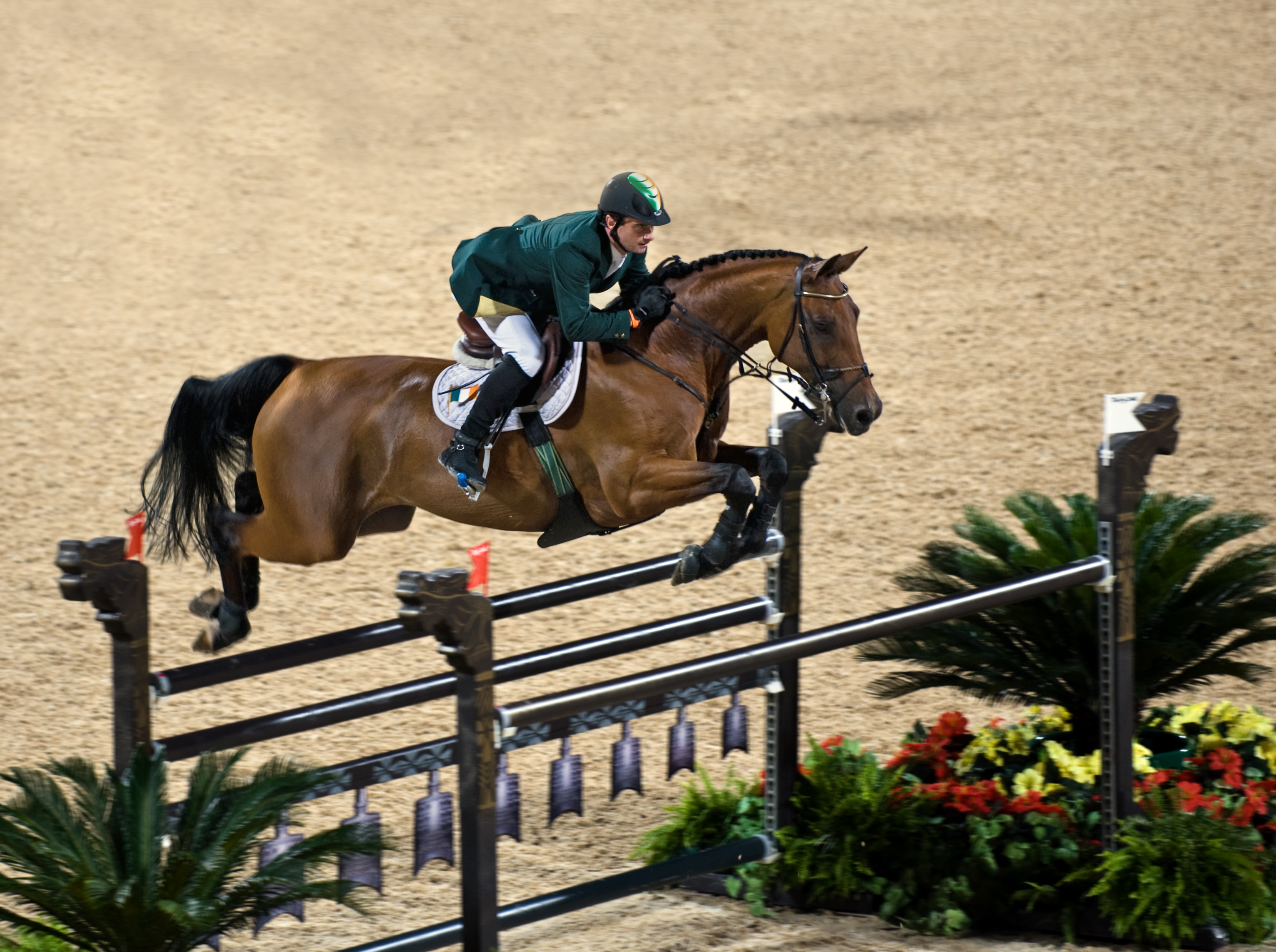
Dutch Warmblood

Premium sport horse breed (KWPN) from the Netherlands, dominant in Olympic show jumping and dressage. Registered by KWPN-NA. Bred systematically for performance and rideability.

Friesian

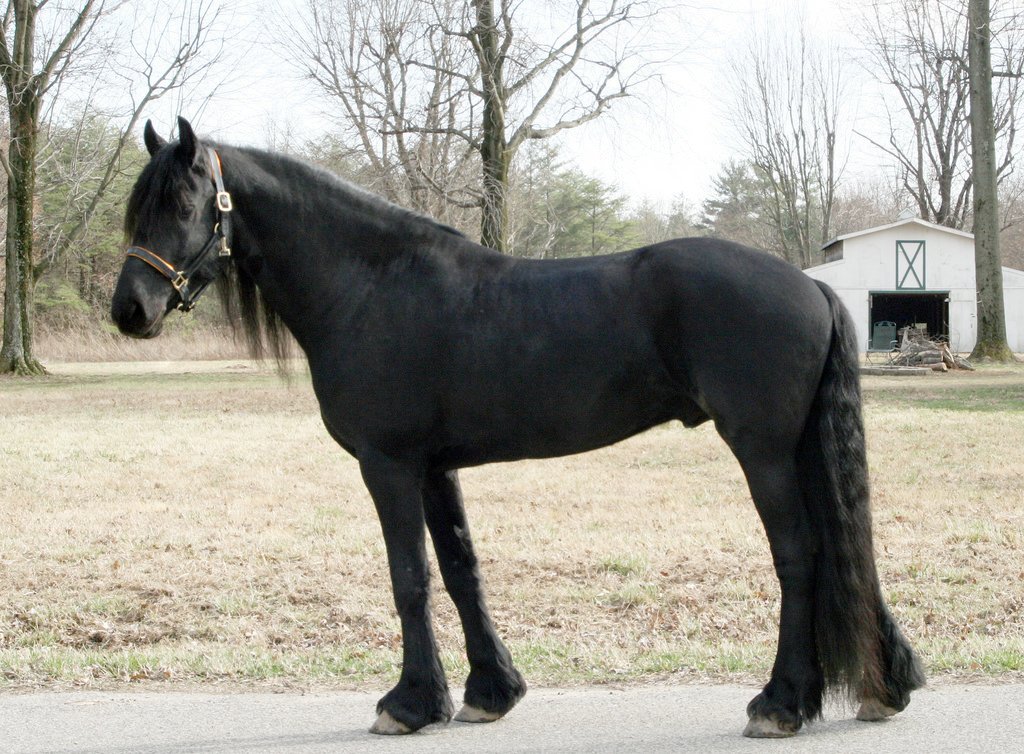
Striking, all-black Dutch breed with a long mane, tail, and feathered legs. Registered by FHANA. Known for an uphill canter and presence in the dressage and carriage arenas.

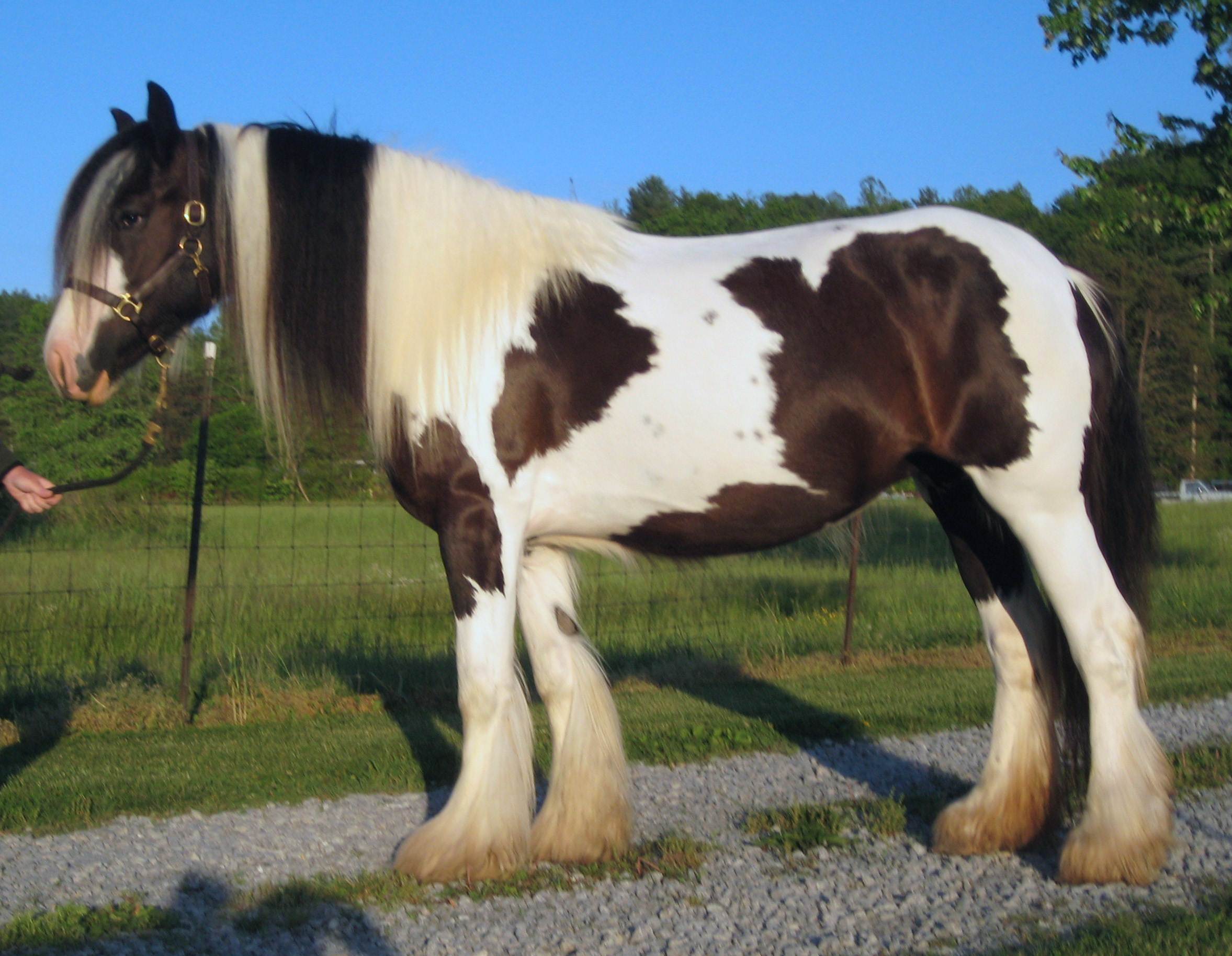
Gypsy Vanner

Compact, heavily feathered colored breed developed by the Romani people of the British Isles. Registered by GVHS. Known for a calm temperament and flashy appearance.

Hanoverian

Versatile German warmblood breed with one of the oldest studbook registries. Registered by AHS. Consistently one of the top-ranked sport horse breeds in dressage and jumping.

Lusitano

Ancient Iberian breed closely related to the Andalusian, bred in Portugal. Registered by APSL and USLEA. Courageous and agile, traditionally used in bullfighting and classical dressage.

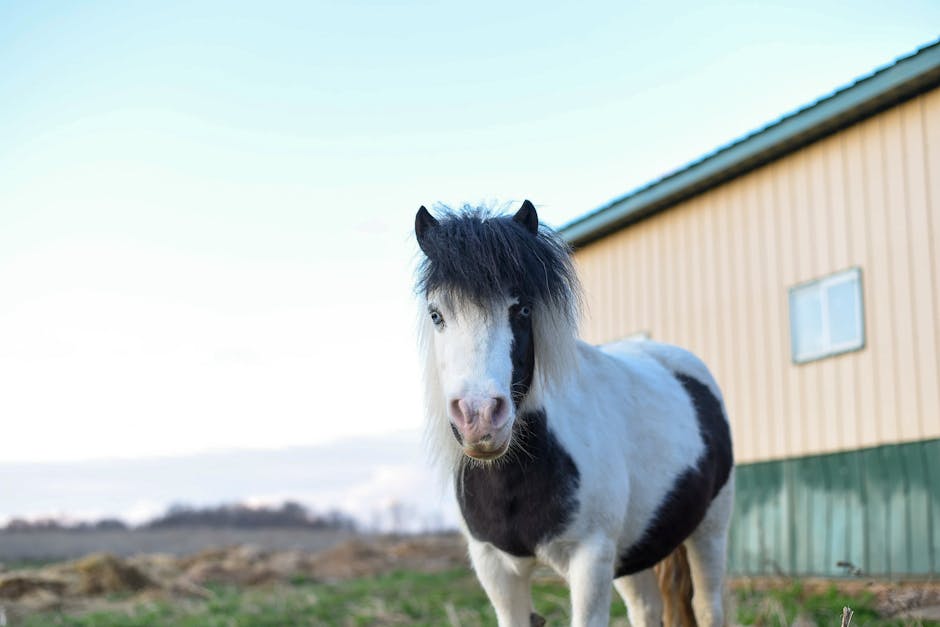
Miniature Horse

Tiny horse standing no more than 34-38 inches, developed over centuries of selective breeding. Registered by AMHA and AMHR. Kept as companions and shown in halter and driving classes.
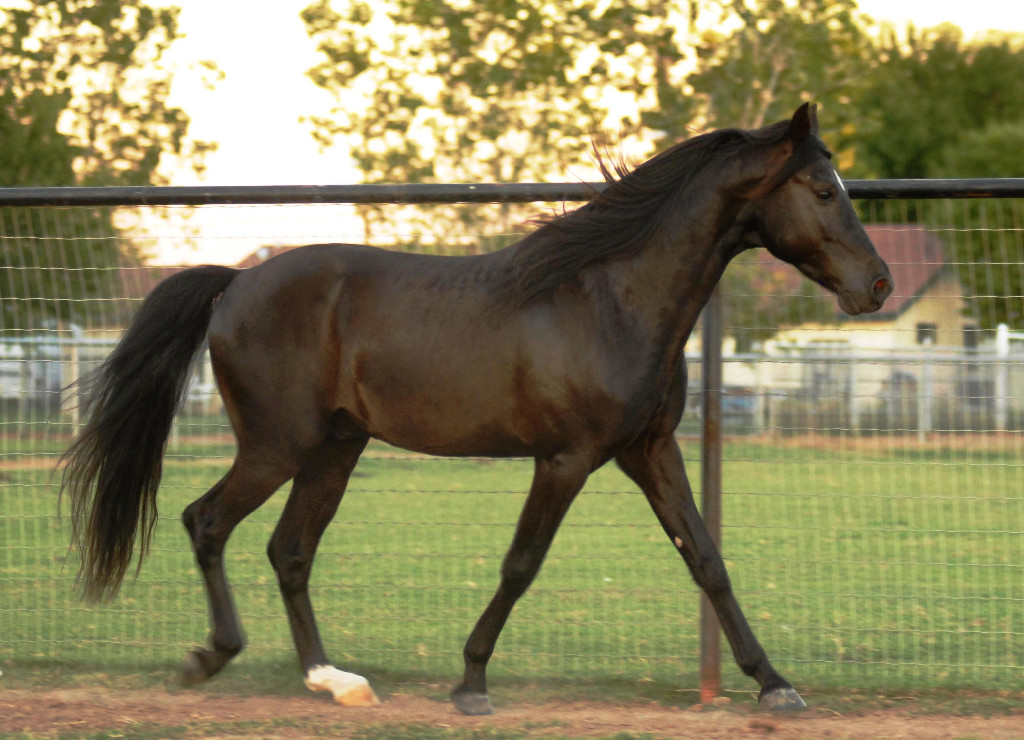
Missouri Fox Trotter

Gaited breed from the Ozark mountains known for a comfortable diagonal fox trot gait. Registered by MFTHBA. Popular trail horse in rugged terrain.
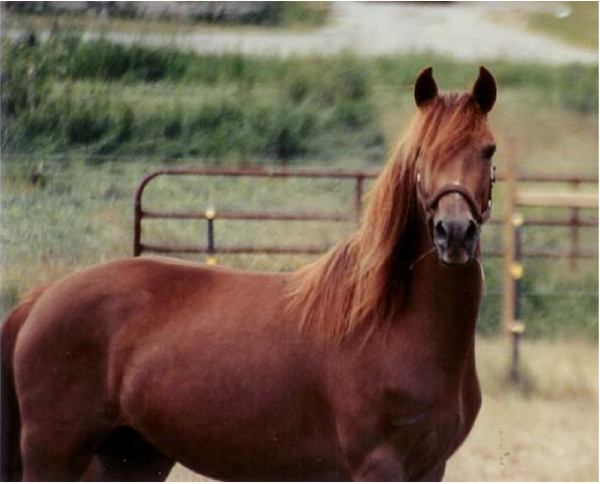
Morgan

America's first documented breed, known for strength, stamina, and a willing disposition. Registered by AMHA. Versatile across Western, English, and driving disciplines.
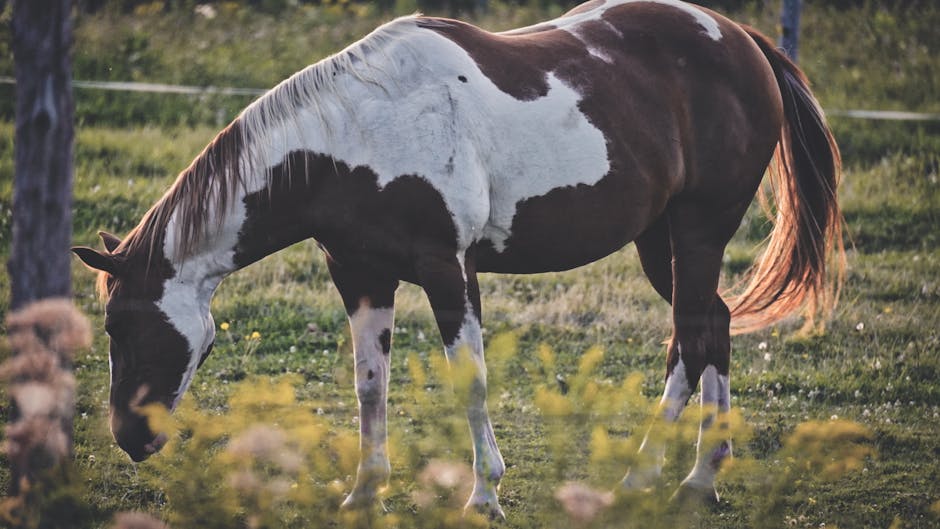
Paint Horse

Stock-type breed combining Quarter Horse or Thoroughbred bloodlines with pinto coloring. Registered by APHA. Versatile Western and English competitor.
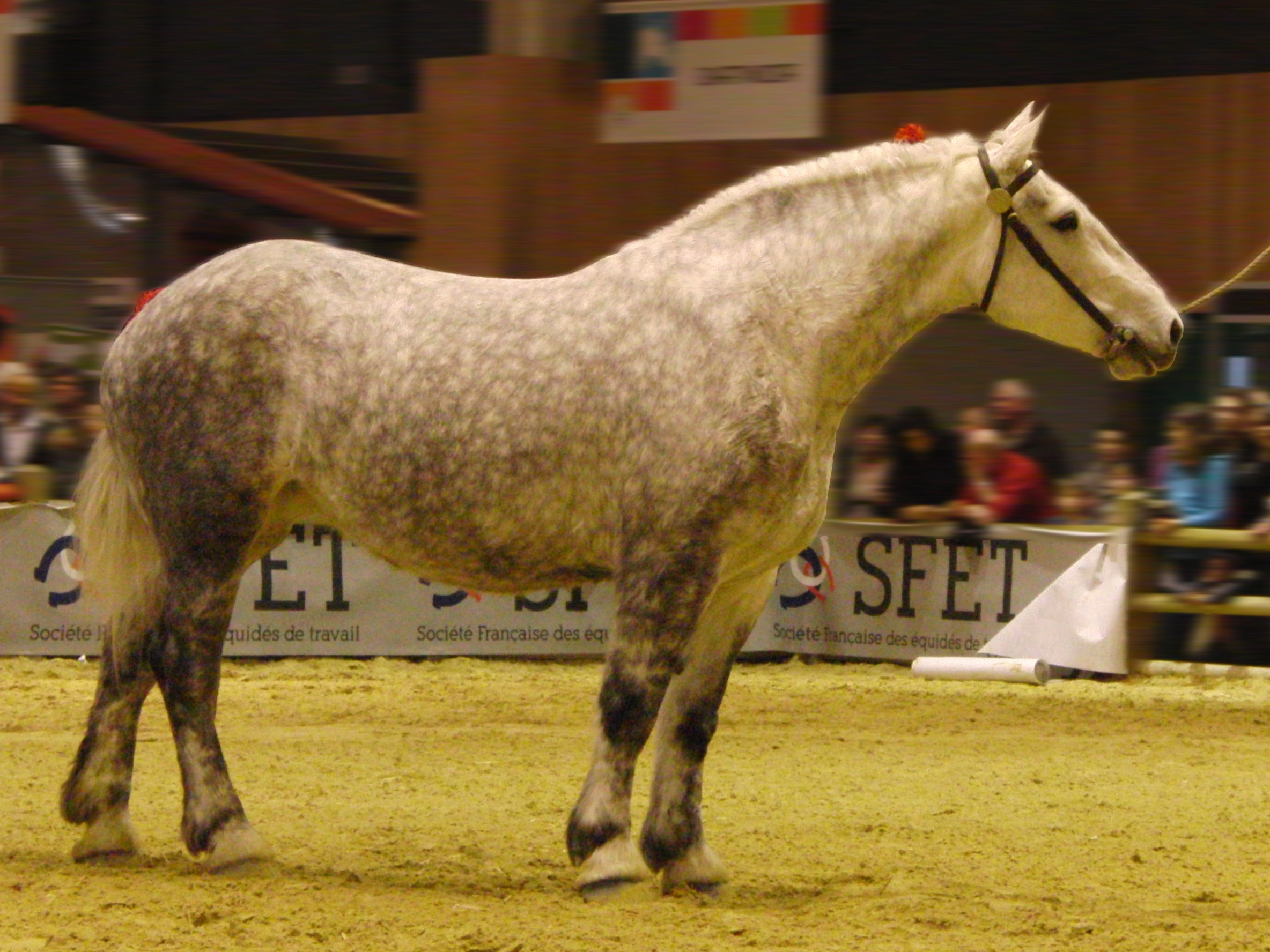
Percheron

Elegant French draft breed combining power with refinement from Arabian influence. Registered by PHA. Versatile for farm work, logging, and sport horse crosses.
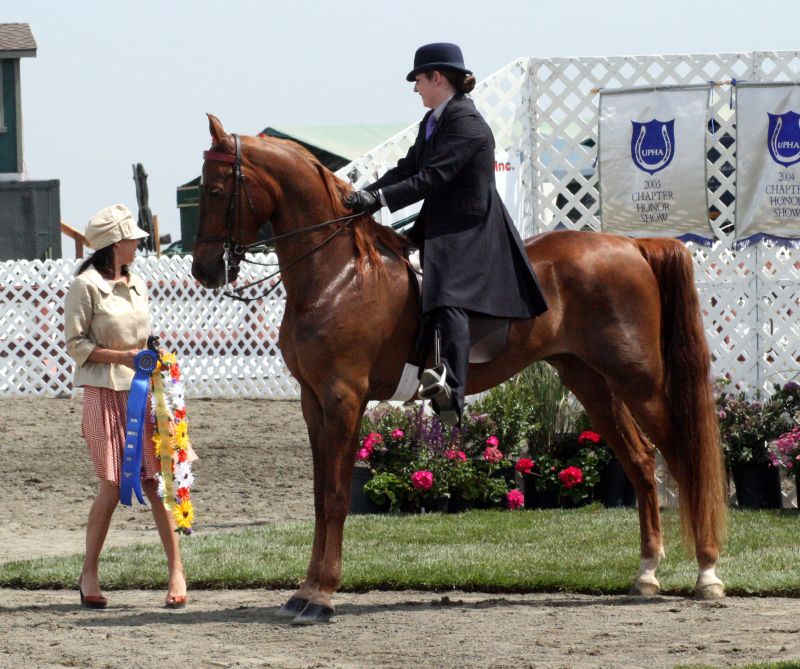
Saddlebred

Elegant, high-stepping breed developed in the American South for plantation riding. Registered by ASHA. Known as the "Peacock of the Show Ring."
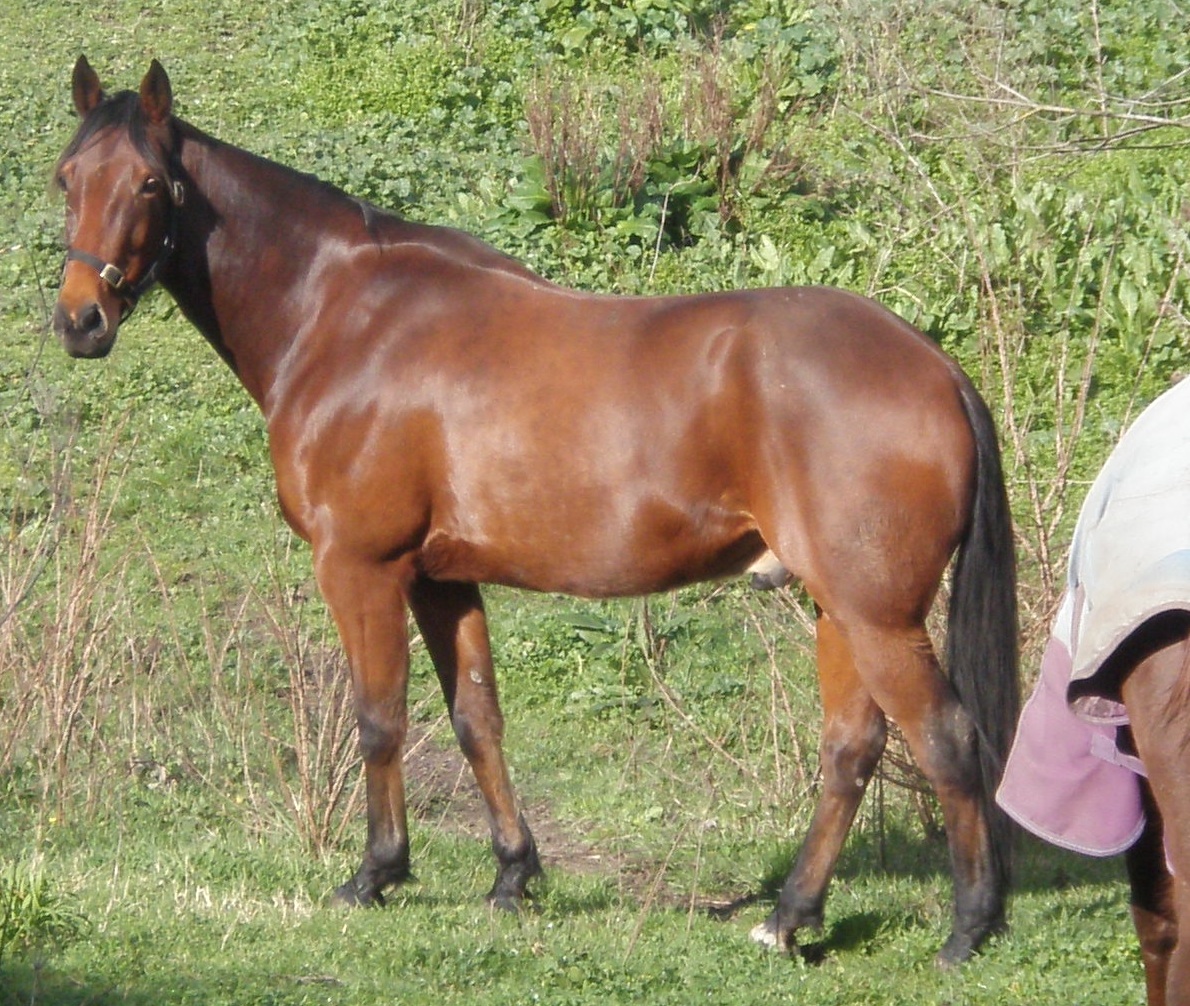
Standardbred

Primary harness racing breed in the United States, known for trotting or pacing gaits. Registered by USTA. Strong, sound, and trainable off the track.
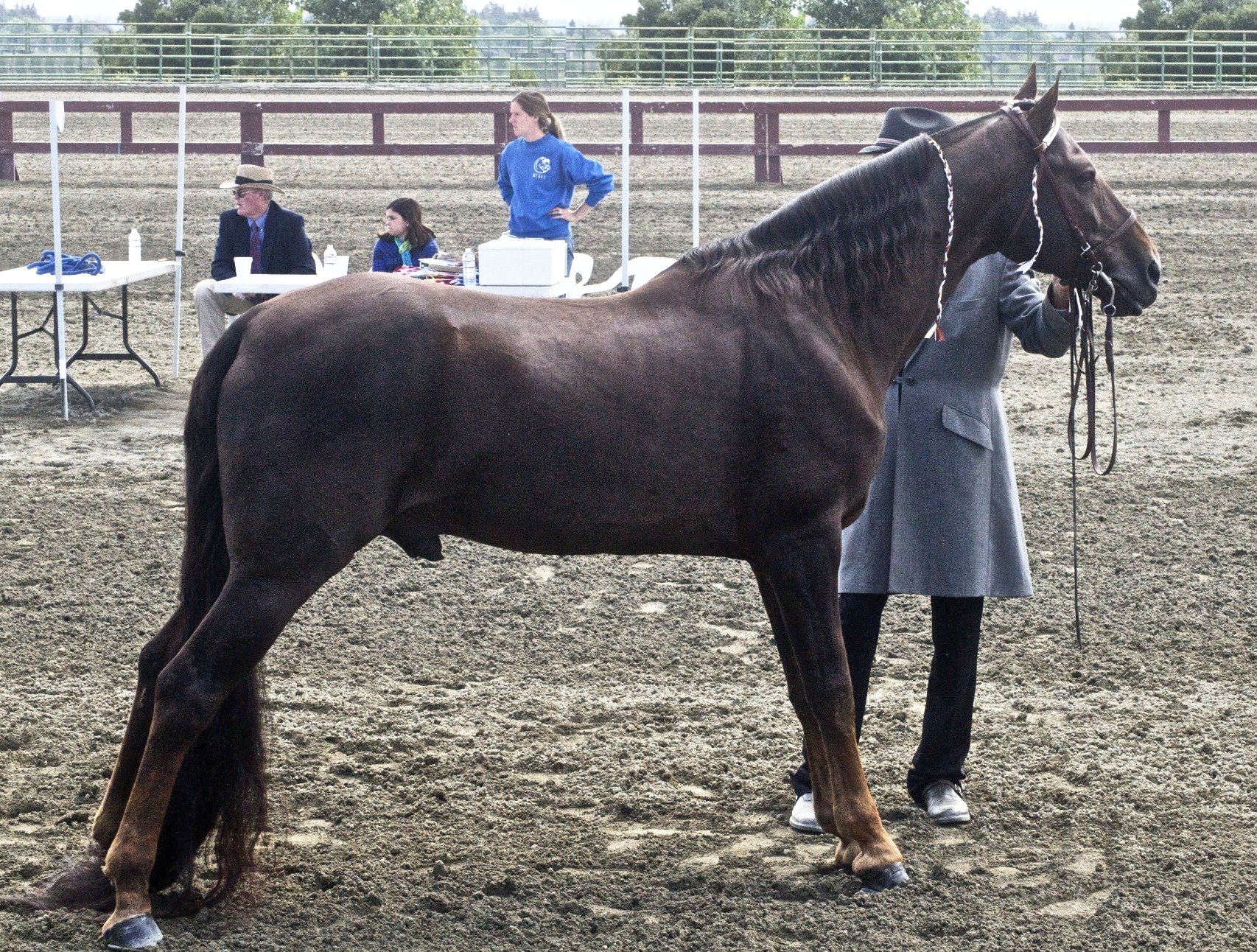
Tennessee Walking Horse

Gaited breed known for its smooth, four-beat running walk. Registered by TWHBEA. Popular trail and show horse valued for a comfortable, ground-covering stride.
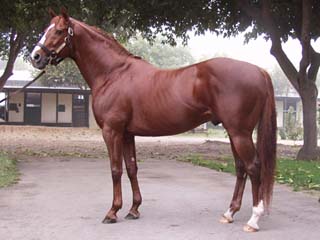
Thoroughbred

Premier flat racing breed developed in 18th-century England. Registered by The Jockey Club. Foundation bloodstock for many other breeds; athletic and courageous.

Breed Horse?

Track your animals, genetics, and pedigrees on Breed Ledger. Free to start.

Get started free