Dachshund breeders
Dachshunds, also called doxie, sausage dog, or wiener dog, are scent hounds bred to follow badgers underground, and they carry the same stubborn, tunnel-driven focus into a thirty-pound house dog.
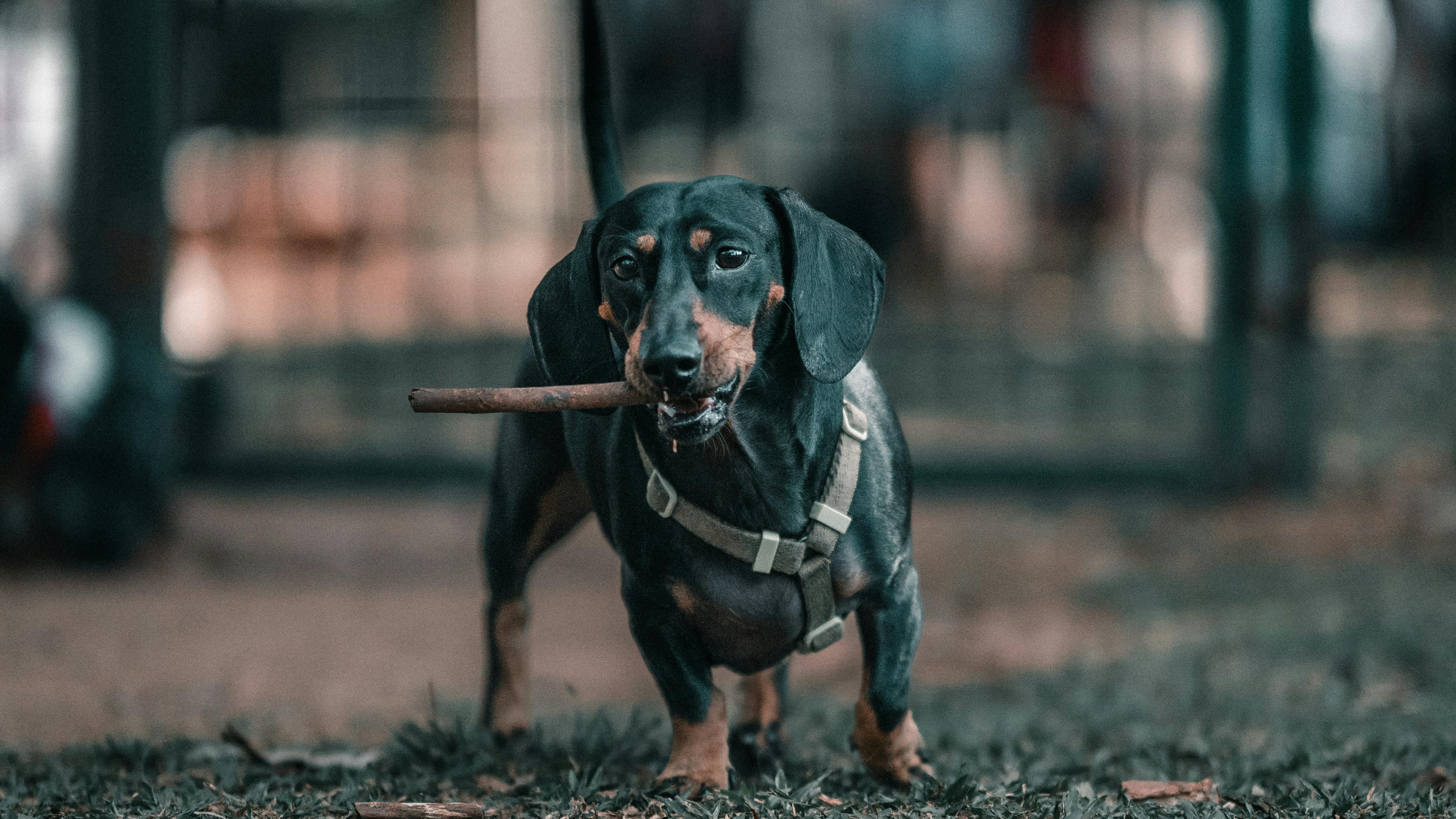
Also known as: doxie · sausage dog · wiener dog
Buying a Dachshund, the working-breeder checklist.
A serious doxie breeder talks to you about IVDD (intervertebral disc disease) before you ask. The long-back conformation that defines the breed also makes the spine vulnerable, and a breeder who breeds for spinal length without comment is selling a problem. They show you OFA hip clearances on parents, a current eye exam, and DNA tests for PRA-cord1 and double-merle status if the line carries dapple. Ask about the variety, since standard, miniature, and kaninchen carry different size and exercise needs, and ask which of the three coats (smooth, longhaired, or wirehaired) the litter belongs to. The wire coat traces to terrier crosses and tends to run busier and scrappier, the long coat softer, the smooth somewhere between. A good breeder keeps litters lean and discourages stairs and jumping from furniture early, because weight and impact are the two spine risks an owner can actually control.
Typical price range
A Dachshund puppy from a responsible breeder usually costs between fifteen hundred and three thousand dollars in the United States. Rare-color marketing (piebald, double-dapple, isabella) often pushes prices higher without any quality signal behind the markup, and in the double-dapple case the markup rides on a genuinely harmful pairing. Double-dapple Dachshunds carry serious vision and hearing defects and should not be bred at all. Anything under eight hundred dollars usually means the breeder skipped at least one health screen. Ask exactly what is included: shots, microchip, dewormer, vet check, the AKC paperwork, and the take-back clause that lets you return the dog to the breeder if your situation changes.
Health checks worth asking about
The Dachshund Club of America recommends OFA hip clearances, an annual CAER eye exam, and DNA tests for PRA-cord1, Lafora epilepsy (in wirehaired lines), and the merle / double-dapple genotype. IVDD is the headline risk, and it is partly genetic and partly managed at the litter level through correct nutrition and discouraging early stair-climbing and furniture jumping. Miniatures also see patellar luxation, and the dilute colors can carry color-dilution alopecia. Keeping a Dachshund lean for life is the single biggest thing an owner does for the spine, so ask the breeder how they condition and feed their adults. A breeder who walks you through their IVDD protocol unprompted, and who can show you the DNA paperwork on both parents, is the breeder you want.
No Dachshund breeders on Breed Ledger yet.
What buyers ask about Dachshund.
Other hound breeds worth considering.
Each link goes to the breeder directory for that breed. Dachshund not quite the match for your household? These are the closest relatives.