Beagle breeders
Beagles are scent hounds bred for stamina, a friendly disposition, and a vocal nose that pulls toward every interesting smell within a quarter mile.
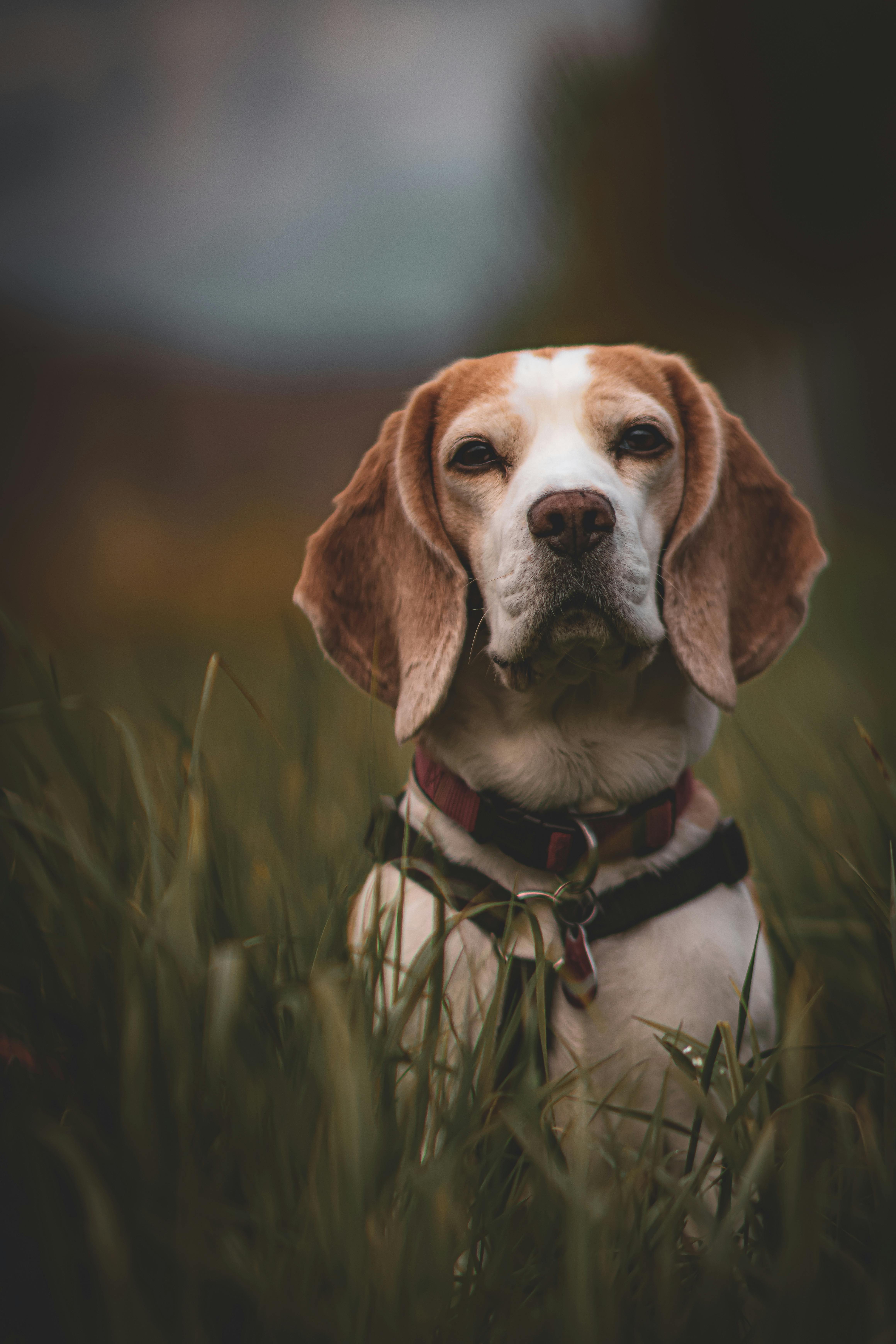
Buying a Beagle, the working-breeder checklist.
A serious Beagle breeder lets you meet at least one parent in person, ideally both, and tells you whether the litter comes from field lines bred for nose and drive or bench lines bred to the show standard. They name the height variety they breed, because the AKC splits Beagles into a 13-inch class and a 15-inch class, and a careful program does not blur the two. They raise litters indoors with the family for the first weeks so puppies meet household noise, crates, and handling before they leave. They ask about your fencing, your daily exercise plan, and whether anyone is home through the day, because a bored Beagle bays and digs. They show you OFA hip and elbow results, a CAER eye exam, and a clear Musladin-Lueke Syndrome panel before they take a deposit. They will not sell to the first deposit that clears. A breeder who has no questions for you is selling a puppy first and a relationship never.
Typical price range
Beagle puppies from a responsible breeder usually run between fifteen hundred and three thousand dollars in the United States. Field-trial prospects from proven hunting lines and show prospects from titled parents sit at the top of that range, and pet-quality puppies on a spay-or-neuter contract sit at the bottom. Anything under a thousand dollars usually means the breeder skipped a health screen, a generation of pedigree research, or both. Anything over four thousand dollars for a pet-quality puppy is a markup, not a quality signal, and the "Pocket Beagle" label often rides along with that markup despite not being a recognized variety. Ask exactly what the price includes: the first vaccinations, the microchip, deworming, a vet check, the AKC paperwork, and the take-back clause that lets you return the dog to the breeder if your life changes.
Health checks worth asking about
Beagles carry a short, well-documented list of breed health concerns, and a careful breeder screens for them rather than hoping. The OFA recommends hip and elbow evaluations on every breeding pair, an annual CAER eye exam, and a DNA test for Musladin-Lueke Syndrome. Conscientious breeders also test for Neonatal Cerebellar Cortical Degeneration and Imerslund-Grasbeck Syndrome, two recessive conditions a single panel rules out. Beyond the DNA work, ask about hypothyroidism, epilepsy, cherry eye, and intervertebral disc disease, all of which appear in the breed. Steroid-responsive meningitis, sometimes called Beagle Pain Syndrome, is uncommon but real, and a breeder who keeps health records across litters will know whether it has shown up in their lines. Beagles also gain weight fast, so ask how the breeder feeds and conditions their adults. A breeder who hands you the paperwork on both parents, with a CHIC number to look up, is the breeder you want.
Field Notes / Breed Guides
The Beagle Breed Guide: What Buyers Actually Need to Know Before They Bring One Home
The Beagle is one of the most consistently misjudged breeds in the dog world. A scent hound built to follow rabbit and hare in packs, with a voice built to carry across open country. Here is the picture a working breeder would give you on the phone before they sold you a puppy.
No Beagle breeders on Breed Ledger yet.
What buyers ask about Beagle.
Other hound breeds worth considering.
Each link goes to the breeder directory for that breed. Beagle not quite the match for your household? These are the closest relatives.