Breed Ledger launches May 15 · First 50 waitlist signups get 6 months free · Claim your spot →0d left
All species

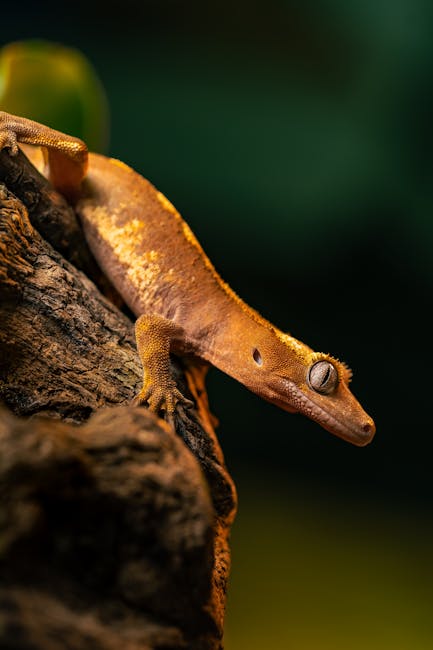
Crested Gecko

Correlophus ciliatus

28traits
35morphs

Breeding facts

Clutch / litter size

2

Incubation / gestation

~75 days

Breeding season

Year-round

Always lays 2 eggs per clutch. Multiple clutches per season. Incubation 60-90 days depending on temperature.

Genetics traits

Individual heritable traits tracked on this species.

Axanthic

xRecessivex+ / x

Removes yellow and red coloration, creating grey/black phenotypes. Recessive inheritance. Homozygous animals lack xanthophore pigments. Synergistic with Pinstripe to create strong paper-white pattern expression.

ID tips: Axanthic animals lack yellow/red colors, appearing grey, black, or desaturated. Combined with Pinstripe creates strongest paper-white.

Black Base

BDominantB+ / b

Fixed dominant allele producing black/dark base coloration. Most prevalent in wild and captive populations. Produces normal dark crested gecko coloring when not modified by other traits. Creates Lavender combo morph when combined with Hypo.

ID tips: Black Base animals have typical dark crested gecko base coloration.

Cappuccino

CAPPIncomplete DominantCAPP+ / ca

Produces lighter, coffee/tan coloration. Heterozygous animals show intermediate tan coloring. Homozygous Super Cappuccino show light coffee coloration with possible structural modifications. Part of allelic complex with Sable. Both het and homozygous forms are viable and fertile.

ID tips: Cappuccino animals appear lighter and more tan/coffee colored. Super Cappuccino extremely light, nearly cream.

Cold Fusion

HcPolygenicHc+ / hc

Refined/enhanced Hypo line producing extremely light coloration. Appears to be a distinct Hypo form or enhanced modifier. Tom Favazza's work on hypo refinement. Dominance pattern not yet confirmed.

ID tips: Cold Fusion animals are extremely light, lighter than standard Hypo in many cases.

Dalmatian

DALDominantDAL+ / dal

Adds distinct black/dark spots throughout the body and pattern. Dominant trait with additive effects in homozygous animals producing more/denser spotting. Creates a speckled or spotted appearance overlaid on existing patterns.

ID tips: Look for distinct dark spots or speckles distributed across the body and pattern.

Empty Back

EBIncomplete DominantEB+ / eb

Reduces or eliminates dorsal/back pattern coloring while retaining pattern structure on sides. Heterozygous shows moderate pattern reduction on back; homozygous shows extensive back clearing. Antagonistic with Harlequin (overcomes concentration).

ID tips: Empty Back animals show reduced/cleared dorsal pattern. Super Empty Back shows extensive clearing.

Flame

FLAMEPolygenicFLAME+ / fl

Creates flame-like pattern formations, possibly distinct from Harlequin flame-concentration. Appears to produce pointed flame shapes. Dominance pattern unclear. Polygenic inheritance suspected.

ID tips: Flame animals show distinct flame-shaped pattern elements.

Furry

FPolygenicF+ / f

Produces enhanced scale texture creating "furry" appearance. Work in progress, inheritance pattern not yet confirmed. Limited breeding data. Polygenic inheritance suspected.

ID tips: Furry animals show enhanced texture giving "fuzzy" appearance.

Harlequin

HQIncomplete DominantHQ+ / hq

Concentrates dorsal pattern into flame-like or high-contrast patches. Heterozygous animals show intermediate pattern concentration; homozygous show maximum concentration and contrast. Interacts with Tiger to create visible pattern breaks and "portholes." Antagonistic with Empty Back.

ID tips: Harlequin animals show concentrated pattern flames, especially on dorsum. Super Harlequin shows maximum flame concentration.

Hypo

HDominantH+ / h

Reduces melanin and dark pigmentation, producing lighter base coloration. Dominant over melanin. Multiple forms exist, all dominant. Hypo acts as an epistatic modifier over Black Base, Red Base, and Yellow Base. Creates Lavender (H+B), Pink (H+r), and Cream/C2 (H+y) combo morphs.

ID tips: Hypo animals are noticeably lighter in base coloration. Multiple Hypo forms range from subtle to extreme lightening.

Lilly White

LIncomplete DominantL+ / l

Produces white/cream coloration with pattern reduced or eliminated. Heterozygous animals show white coloring with some pattern retention. Homozygous Super Lilly White (L/L) is LETHAL and must NEVER be attempted. All breeding must use het x het or het x normal.

ID tips: Lilly White animals are predominantly white/cream. Het animals show white coloring with reduced pattern.

lethal homozygous risk: Super Lilly White (homozygous L/L) is LETHAL. Homozygous animals struggle to breathe, have trouble with motor skills, fail to eat, and usually die within days to one week. Likely due to extreme melanin reduction affecting crested gecko organ development and function. Melanin is found in organs of several species and may facilitate organ development. This is the ONLY confirmed lethal homozygous condition in crested geckos. DO NOT breed Lilly White x Lilly White. Documented consistently across multiple breeding programs. Source: Foundation Genetics Part 2.1.

Marble

TI-MPolygenicTI-M+ / ti-m

Creates marble-like pattern formations. May be a Tiger variant or distinct pattern modifier. Limited data available. Polygenic inheritance suspected. Research ongoing.

ID tips: Marble animals show marble-like pattern elements.

Marbling

MDominantM+ / m

Creates marbled/mottled coloration pattern. Only a few generations produced. Early stage research. Marbling most distinct on Lilly White background. May be related to or distinct from Brindle.

ID tips: Marbling animals show mottled/marbled coloration pattern.

Orange Pattern

OPPolygenicOP+ / op

Secondary form of pattern color expression producing orange/yellow pattern lines and spots. Polygenic inheritance. Creates Halloween (B + OP) and Tri-Color (WP + OP) combo morphs.

ID tips: Orange Pattern animals show orange/yellow colored pattern elements.

Orange Spot

OSPolygenicOS+ / os

Creates orange/yellow spotting and marking patterns. Appears distinct from Orange Pattern. Dominance unclear. Polygenic inheritance suspected. Early stage research.

ID tips: Orange Spot animals show orange/yellow spot markings.

Patternless

PTLRecessivePTL+ / ptl

Complete removal of pattern elements. Distinct from Phantom (which is a melanin-producing trait); Patternless removes pattern structure entirely. Homozygous animals are completely unicolor with no pattern lines, spots, or flames.

ID tips: Patternless animals are solid/unicolor with no visible pattern elements. Distinct from Phantom, which retains some pattern but modifies melanin.

Phantom

PHRecessivePH+ / ph

Melanin-producing trait that creates various phenotypes including bi-color, patternless, buckskin, cream, and tan appearances. Blends melanin with base colors, particularly visible on yellow-based animals. Expression ranges from high dominance (strong bi-color, patternless) to low dominance (subtle melanin blending). Affects pattern expression and can suppress white pattern on raised scalation. Key finding: bi-color, patternless, buckskin, cream, and tan are NOT separate traits — they are all phenotypic expressions of the single Phantom trait.

ID tips: Rule 1: Any bi-color or patternless animal has Phantom. Rule 2: Yellow-based animal with melanin blending (buckskin, cream, tan) = Phantom; clean yellow = Hypo. Rule 3: On Pinstripe animals, White Pattern fades tail-to-head when Phantom present. Rule 4: Lower dominance Phantom + Pinstripe shows darker head, lower lateral pattern present, upper lateral absent.

Pinstripe

PINDominantPIN+ / pin

Raised scales along dorsal midline creating a distinct ridge or stripe. Dominant expression creates visible raised scalation. Interacts with Tiger to create brindle and reverse pin phenotypes. Homozygous expression more pronounced than heterozygous.

ID tips: Look for raised scales along the spine/back. Pinstripe animals have noticeably textured dorsal ridges.

Red Base

rRecessiver+ / r

Produces red/orange base coloration when homozygous. Recessive inheritance. Heterozygous animals may show blush (pink/red coloration on cheeks) as a reliable het marker. Blush is one of the few confirmed het markers in crested geckos. Creates Pink combo morph when combined with Hypo.

ID tips: Blush (pink/red coloration on cheeks) is a proven marker for heterozygous red base — one of the few reliable het markers in the species. Homozygous Red Base animals show red/orange coloration.

Sable

SAIncomplete DominantSA+ / sa

Produces darker, more saturated coloration. Heterozygous animals show intermediate expression; homozygous express full Sable phenotype. Part of allelic complex with Cappuccino at the same locus. Sable x Cappuccino crosses did NOT produce Super Cappuccino, proving these are separate alleles despite occupying the same gene locus.

ID tips: Sable animals appear darker and richer in coloration. Het animals show subtle darkening. Homozygous Super Sable extremely dark, nearly melanistic.

Snowflake

SNOWFLAKEIncomplete DominantSNOWFLAKE+ / sf

Creates white spotting/flecking pattern in snowflake-like formations. Epistatic to White Pattern — Snowflake requires WP to express. Heterozygous shows moderate snowflake spotting; homozygous shows enhanced spotting. Synergistic with Lilly White to produce near-full white coverage.

ID tips: Snowflake animals show white fleck/spot patterns. Expression requires WP. Combined with Lilly White produces nearly unicolor white.

Softscale

S3Incomplete DominantS3+ / s3

Produces matte coloration and smooth scale appearance. Heterozygous shows moderate matte effect; homozygous Super Softscale shows enhanced matte and scale spacing effects. Structural modification affecting appearance and potentially tactile properties.

ID tips: Softscale animals have matte coloration and smoother scale appearance.

Superstripe

sRecessives+ / s

Creates pinstripe-like raised scalation across entire body (not just dorsal). Appears to follow recessive inheritance but may be complex. Limited breeding data available. Homozygous expression produces extensive striping.

ID tips: Superstripe animals show widespread raised scalation resembling multiple pinstripes.

Tangerine

TANGPolygenicTANG+ / tang

Modifies pattern and base colors toward orange/peach/pink tones. Acts as a color enhancer/modifier rather than a standalone trait. Synergistic with White Pattern to create pink/bubblegum patterns. Dominance pattern unclear; acts as a modifier.

ID tips: Tangerine animals show modified pattern colors shifted toward orange/peach. Combined with WP creates pink/bubblegum effect.

Tiger

TIGDominantTIG+ / tig

Fixed dominant trait present in ALL crested geckos — cannot be isolated from the species. Controls pattern separation and distribution into distinct spots/flames. Similar to spots on leopard geckos or alien heads on ball pythons. Ratio of Tiger to other pattern traits determines expression from brindle to reverse pin to solid.

ID tips: All crested geckos carry Tiger. Visual identification relies on interaction ratios with Pinstripe and other pattern traits.

White Pattern

WPPolygenicWP+ / wp

Primary form of pattern color expression (as opposed to Orange Pattern). Creates white/cream pattern lines and spots. Polygenic inheritance. Base for Snowflake expression (epistatic relationship). Modified by Tangerine to create pink/bubblegum patterns.

ID tips: White Pattern animals show white/cream colored pattern elements. Combined with Tangerine shifts to pink.

Whitewall

WIncomplete DominantW+ / w

Creates cream/white coloration along lateral (side) edges and body perimeter. Heterozygous shows moderate lateral white; homozygous (Whitewall) shows extensive lateral white, potentially approaching unicolor appearance. Extreme expression of white pattern laterally.

ID tips: Whitewall animals show cream/white coloring on lateral edges and sides.

Yellow Base

yDominanty+ / y

Produces yellow/light base coloration. Naturally hypo-melanistic. Dominant or co-dominant expression. Creates Creamsicle (y + optional H/TANG) and C2/Cream Squared (y + H) combo morphs. Yellow-based animals with melanin blending indicate Phantom trait.

ID tips: Yellow Base animals show yellow/light coloration. Clean yellow (no melanin blending) = Hypo absence. Yellow with melanin = Phantom.

Morphs

Named visual expressions and genetic combinations tracked in this species.

Single-gene morphs

color

Axanthic

Axanthic (x)

Uncommon

Cappuccino

Cappuccino (CAPP)

Uncommon

Hypo

Hypo (H)

Common

Lilly White

Lilly White (L)

Rare

Normal / Wild Type

Wild-type crested gecko. No specific morph alleles expressed. Base coloration ranges from brown to olive with variable pattern. Most common phenotype in wild and established captive populations.

Common

Phantom

Phantom (PH)

Uncommon

Sable

Sable (SA)

Uncommon

Super Cappuccino

Cappuccino (CAPP)

Uncommon

Super Sable

Sable (SA)

Rare

pattern

Dalmatian

Dalmatian (DAL)

Uncommon

Empty Back

Empty Back (EB)

Uncommon

Harlequin

Harlequin (HQ)

Uncommon

Patternless

Patternless (PTL)

Rare

Snowflake

Snowflake (SNOWFLAKE)

Uncommon

Super Empty Back

Empty Back (EB)

Rare

Whiteout

Whitewall (W)

Uncommon

Whitewall

Whitewall (W)

Rare

structural

Pinstripe

Pinstripe (PIN)

Common

Softscale

Softscale (S3)

Uncommon

Super Softscale

Softscale (S3)

Rare

Combo morphs

Axanthic Phantom

Difficult

Requires: Axanthic + Phantom

Axanthic removes yellow/red while Phantom adds melanin blending, creating monochrome grey-black animals.

Brindlequin

Advanced

Requires: Yellow Base + White Pattern + Harlequin + Pinstripe + Tiger

Five-allele combination requiring Yellow Base + White Pattern + Harlequin + Pinstripe + Tiger at specific expression ratios to create tri-color brindle pattern.

Bubblegum Pink

Moderate

Requires: Hypo + Tangerine + White Pattern

Hypo + Tangerine + White Pattern creating pink/bubblegum pattern coloration.

C2 / Cream Squared

Difficult

Requires: Yellow Base + Hypo

Hypo enhancement on Yellow Base creating extreme fading to unicolor white/cream. Note: C2 is "Cream Squared" NOT "Citrus."

Creamsicle

Moderate

Requires: Yellow Base + Hypo

Yellow Base + Hypo creating cream/orange coloration. Optionally enhanced with Tangerine and/or Red Base.

Frappuccino

Moderate

Requires: Cappuccino + Lilly White

Compound heterozygote combining Cappuccino tan tones with Lilly White cream/white base.

Halloween

Easy

Requires: Black Base + Orange Pattern

Black Base + Orange Pattern creating high-contrast orange pattern on dark base.

Lavender

Moderate

Requires: Black Base + Hypo

Epistatic color transformation: Hypo reduces melanin on Black Base, shifting black to pastel purple/lavender/blue tones.

Luwak

Advanced

Requires: Sable + Cappuccino

Sable x Cappuccino compound heterozygote. NOT a single allele — allelic complex expression from two different mutations at the same locus.

Phantom Pinstripe

Moderate

Requires: Phantom + Pinstripe

Phantom suppresses White Pattern on Pinstripe raised scalation, creating distinctive pattern fade from tail to head.

Pink

Moderate

Requires: Red Base + Hypo

Epistatic color transformation: Hypo reduces melanin on Red Base, shifting red to neon pink or cotton candy pink.

Silver / Grey Phantom

Difficult

Requires: Phantom + Hypo

Phantom melanin blending combined with Hypo lightening creates silver/grey coloration.

Sorak

Advanced

Requires: Cappuccino + Lilly White

Advanced coffee/white blend requiring homozygous Cappuccino (Super Cappuccino) with heterozygous Lilly White.

Tangerine Lilly

Moderate

Requires: Tangerine + Lilly White

Tangerine color modifier combined with Lilly White base.

Tri-Color

Moderate

Requires: White Pattern + Orange Pattern

White Pattern + Orange Pattern creating tri-color appearance with white, orange, and base color.

Trait interactions

Known interactions between specific genes, including lethal combinations to avoid.

Snowflake + White PatternEpistatic

Snowflake requires White Pattern to express. Snowflake is epistatic to WP — without WP, no snowflake phenotype appears.

Phantom + White PatternAntagonistic

Phantom suppresses White Pattern on Pinstripe raised scalation. WP fades tail-to-head when Phantom present on Pinstripe animals.

Empty Back + HarlequinAntagonistic

Empty Back overcomes Harlequin pattern concentration. EB reduces/eliminates dorsal pattern that HQ concentrates.

Sable + CappuccinoGenetically linked

Sable and Cappuccino are allelic (same locus, different mutations). Sable x Cappuccino cross did NOT produce Super Cappuccino, proving they are separate alleles.

Lilly White + SnowflakeSynergistic

Lilly White dramatically boosts Snowflake expression, producing near or full white coverage. Synergistic enhancement.

Hypo + Black BaseSynergistic

Hypo + Black Base creates Lavender combo morph through epistatic color change (black becomes lavender/purple/blue).

Hypo + Red BaseSynergistic

Hypo + Red Base creates Pink combo morph through epistatic color change (red becomes neon red to cotton candy pink).

Hypo + Yellow BaseSynergistic

Hypo + Yellow Base creates C2/Cream Squared (fading to unicolor white cream). Enhancement of hypo effect.

Hypo + White PatternSynergistic

Hypo + White Pattern creates paper white pattern effect. Extreme pattern whitening.

Tangerine + White PatternSynergistic

Tangerine modifies White Pattern to pink/bubblegum. Color modifier effect on pattern color.

Axanthic + PinstripeSynergistic

Axanthic + Pinstripe creates strongest paper-white pattern expression in species. Removal of xanthophores enhances white pattern.

Tiger + PinstripeEpistatic

Tiger and Pinstripe ratio determines pattern phenotypes including brindle and reverse pin. Ratio-dependent expression.

Marbling + Lilly WhiteSynergistic

Marbling most distinct and pronounced on Lilly White background. Enhanced expression on white base.

Breed Crested Gecko?

Track your animals, genetics, and pedigrees on Breed Ledger. Free to start.

Get started free